
Published May 13, 2026 · By

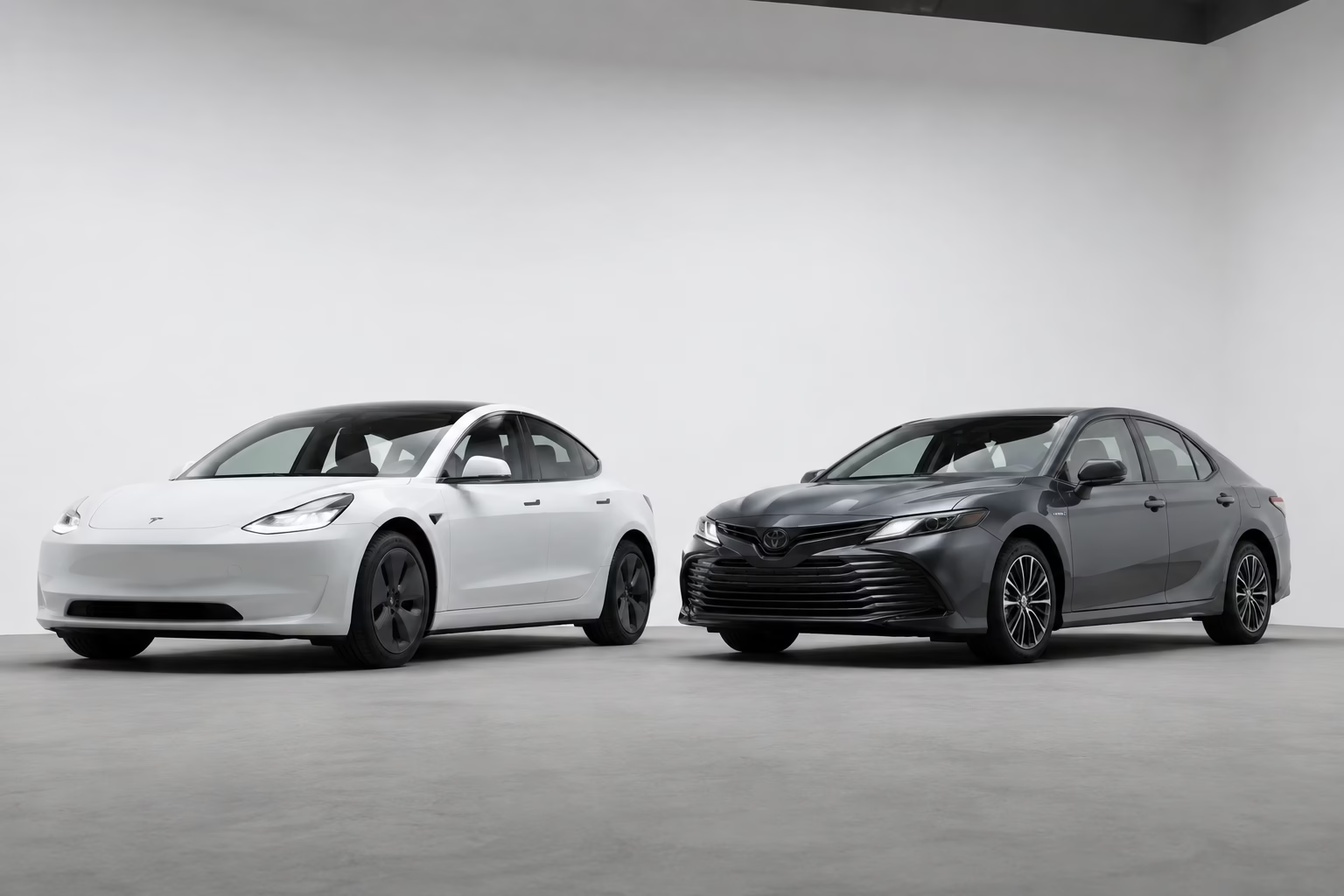
The battle between hybrid vs electric cars has never been more important — or more financially charged — than in 2026. With federal EV tax credits largely gone, average new-car prices pushing record highs, and auto-loan rates still elevated, choosing the wrong powertrain could cost American drivers thousands of dollars over a 5-year ownership period.
Whether you're shopping in Texas, Florida, or anywhere else in the U.S., this guide gives you the unfiltered truth: real purchase prices, monthly payment math, the best rates from top lenders, and a clear answer on which vehicle type makes the most sense for your situation in 2026.
What Are Hybrid and Electric Cars — and How Do They Work?
Before comparing costs and loan options, it helps to understand exactly what each powertrain does under the hood. The technology differences directly affect purchase price, maintenance needs, and your long-term cost of ownership.
How a Hybrid Car Works
A hybrid car combines a traditional gasoline engine with an electric motor and a small battery pack. The battery charges itself automatically through regenerative braking — capturing energy that would otherwise be lost as heat when you slow down. You never plug it in. You simply fill up at any gas station as usual, making hybrids a seamless transition for most American drivers.
There is also the plug-in hybrid (PHEV), which adds a larger battery that you charge from a wall outlet. PHEVs can travel 20–50 miles on electricity alone before the gasoline engine kicks in, giving you the best of both worlds — especially useful for daily commutes while retaining long-distance flexibility.
How a Fully Electric Car Works
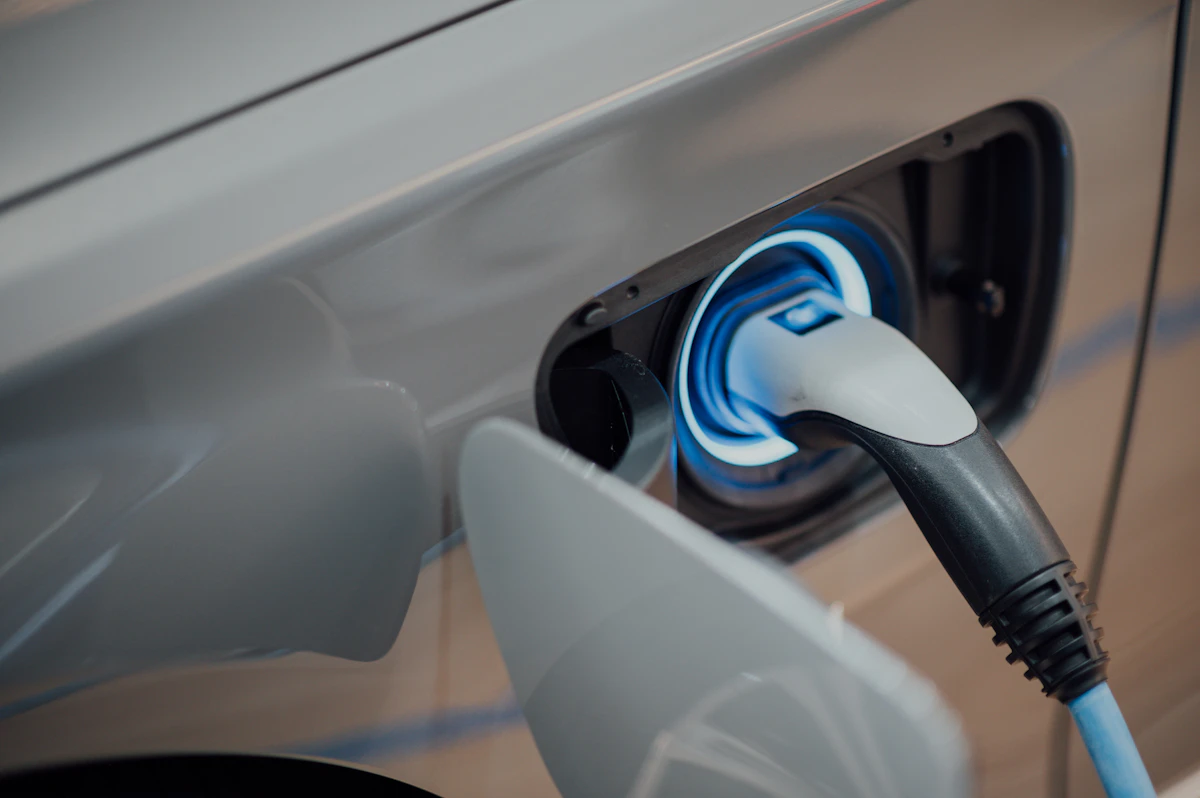
A fully electric vehicle (EV) has no gasoline engine at all. It runs entirely on a large battery pack charged from an external source — either a home Level 2 charger, a public fast-charger, or a standard 120V outlet (though that last option is very slow). Most 2026 EVs offer between 250 and 400+ miles of range per charge.
The key operational difference: EVs have far fewer mechanical moving parts (no oil, no transmission fluid, no spark plugs), which dramatically reduces routine maintenance costs over time.
Hybrid vs Electric Cars: Side-by-Side Comparison for 2026
| Feature | Hybrid (HEV) | Plug-In Hybrid (PHEV) | Full Electric (BEV) |
|---|---|---|---|
| Avg. New Car Price (2026) | ~$35,000–$50,000 | ~$38,000–$55,000 | ~$42,000–$65,000+ |
| Requires Home Charger? | No | Optional | Strongly Recommended |
| Range Anxiety | None | Minimal | Moderate (depends on infrastructure) |
| Annual Fuel / Energy Cost | ~$1,200–$1,600 | ~$800–$1,200 | ~$500–$900 |
| Annual Maintenance Cost | ~$700–$1,000 | ~$600–$900 | ~$400–$700 |
| Federal Tax Credit (2026) | None | Varies by model | Largely eliminated (state credits may apply) |
| Best For | Drivers without home charging access | Short commuters + occasional long trips | High-mileage drivers with home charging |
Real Purchase Prices and Loan Payments in 2026
Price is where the hybrid vs electric cars debate gets most contentious — and most financially meaningful. According to market data compiled for early 2026, the average new hybrid sells for roughly $47,600, while the average new electric vehicle sits near $62,000. That's a $14,400 gap before interest costs even enter the picture.
At current auto loan rates — averaging around 7–9% APR for buyers with good credit — that price gap translates into approximately $240–$295 more per month for an EV on a 60-month loan. For many American households, that difference is a car payment in itself.

Monthly Payment Estimates by Credit Score — 2026
| Credit Score | Est. APR | Hybrid ($47,600 / 60 mo.) | Electric ($62,000 / 60 mo.) |
|---|---|---|---|
| 750+ (Excellent) | 5.5%–6.5% | ~$913/mo | ~$1,189/mo |
| 700–749 (Good) | 7.0%–8.5% | ~$940/mo | ~$1,225/mo |
| 650–699 (Fair) | 10%–13% | ~$1,011/mo | ~$1,317/mo |
| Below 650 (Bad Credit) | 14%–18%+ | ~$1,107/mo | ~$1,442/mo |
Estimates based on 2026 average pricing and rates. Actual offers vary by lender. Always compare at least 3 quotes before signing.
Benefits of Each: What the Numbers Actually Show
Top Benefits of Hybrid Cars in 2026
- Lower purchase price — an average of $14,400 less than a comparable EV
- No infrastructure investment — no home charger needed ($800–$2,500 savings)
- Zero range anxiety — refuel at any of the 150,000+ gas stations nationwide
- Lower monthly payments — with low interest financing available for good-credit buyers
- Proven reliability — models like the Toyota Camry Hybrid and Honda CR-V Hybrid have decade-long track records
- Stronger resale values — hybrids currently depreciate less than many EVs, which can lose value quickly as technology evolves
Top Benefits of Electric Cars in 2026
- Lowest daily operating costs — fuel savings of $800–$1,100 per year vs. a hybrid at 12,000 miles/year
- Dramatically lower maintenance — no oil changes, no transmission fluid, no exhaust system
- HOV lane access in states like California, Texas, and Florida (varies by state)
- State-level incentives — even without the federal credit, many states still offer $1,000–$4,000 rebates
- 0% APR financing deals from select manufacturers (e.g., Tesla, Kia, and others) for qualified buyers with instant approval at top credit scores
- Better 5-year total cost for high-mileage drivers (over 15,000 miles/year) with home charging access
Who Should Buy a Hybrid — and Who Should Go Electric?
The right choice depends almost entirely on your lifestyle, driving habits, and credit situation. Here's a practical breakdown to help you decide quickly:
| Your Situation | Best Choice |
|---|---|
| You rent and can't install a home charger | ✅ Hybrid |
| You drive under 10,000 miles per year | ✅ Hybrid |
| You have bad credit and need a lower loan amount | ✅ Hybrid |
| You want zero down financing with a smaller vehicle price | ✅ Hybrid |
| You own your home and can install a Level 2 charger | ✅ Electric |
| You drive 15,000+ miles per year | ✅ Electric |
| Your credit score is 720+ and you want 0% APR deals | ✅ Electric |
| You want the lowest possible maintenance costs | ✅ Electric |
If you're somewhere in the middle — you own your home, drive a moderate 12,000 miles/year, and have decent credit — the plug-in hybrid (PHEV) is often the smartest compromise. Models like the Toyota RAV4 Prime and Ford Escape PHEV offer electric-only ranges of 40–50 miles, covering most daily commutes while eliminating range anxiety entirely.
Requirements and What Lenders Look For
Whether you're financing a hybrid or an EV, the loan process is largely the same. However, understanding what top lenders look for can make the difference between a quick same day approval and weeks of delays.
Standard Requirements for Auto Loan Approval
- Credit score: Most lenders require a minimum of 580–620 for standard approval; 700+ for the best rates
- Proof of income: Recent pay stubs (last 30 days), W-2s, or tax returns for self-employed borrowers
- Proof of identity: Valid government-issued ID (driver's license, passport)
- Proof of residence: Utility bill, bank statement, or lease agreement — same address as your application
- Down payment: Most lenders prefer 10–20% down; some offer zero down for excellent-credit borrowers
- Debt-to-income ratio (DTI): Ideally below 43%; some online lenders accept up to 50%
- Insurance: Comprehensive and collision required by all lenders before funding
Best Lenders for Hybrid and Electric Car Loans in 2026
Finding the best rates requires shopping at least three lenders before you visit a dealership. These are the top options American buyers are using in 2026 — including online lenders offering instant approval decisions:
| Lender | Best For | Est. APR Range | Min. Credit Score | Loan Terms |
|---|---|---|---|---|
| PenFed Credit Union | Best rates overall | 5.24%–17.99% | 610 | 36–84 months |
| LightStream | Excellent credit / large loans | 6.49%–15.99% | 660 | 24–84 months |
| Tenet (EV Specialist) | EV & PHEV financing / fair credit | 6.99%–19.99% | 580 | 24–84 months |
| Capital One Auto Finance | Pre-approval / no hard pull shopping | 7.49%–21.99% | 500 | 24–72 months |
| Consumers Credit Union | Green auto loans for EVs & hybrids | 5.49%–18.00% | 620 | 12–84 months |
| Bank of America | Existing customers / relationship discounts | 5.99%–19.99% | 580 | 12–72 months |
For a detailed breakdown of rates in your state, visit our electric car financing guides — updated monthly with the latest offers from these lenders.
The Consumer Financial Protection Bureau (CFPB) also publishes free auto loan tools and resources to help you understand your rights as a borrower and compare total loan costs accurately.
Rates, Terms, and Total Interest: What You'll Actually Pay
Rate shopping isn't just about the headline APR — the loan term matters enormously. A low interest rate on an 84-month loan can actually cost you more in total interest than a slightly higher rate on a 60-month loan. Here's the math on a $47,000 hybrid loan:
| Loan Term | APR | Monthly Payment | Total Interest Paid |
|---|---|---|---|
| 48 months | 6.5% | $1,116 | $6,568 |
| 60 months | 6.5% | $920 | $8,200 |
| 72 months | 7.0% | $808 | $11,176 |
| 84 months | 7.5% | $726 | $13,984 |
As you can see, stretching to 84 months saves you $394 per month versus a 48-month loan — but costs you an extra $7,416 in interest over the life of the loan. For buyers who can afford it, a shorter term with a solid down payment is almost always the smarter financial move.
For EV loans specifically, some manufacturers — including Tesla and Kia as of early 2026 — are offering promotional 0% APR financing for up to 72 months for buyers with credit scores above 700. These deals represent genuine savings and are worth checking directly with the manufacturer's finance arm before visiting a third-party lender.
Tips to Get Fast Approval and the Best Rate on Your Car Loan
These strategies work whether you're financing a hybrid or an EV — and they can save you hundreds of dollars per month:
- Get pre-approved before visiting the dealership. Several online lenders offer same day pre-approval decisions that don't require a hard credit pull initially. This gives you negotiating power.
- Shop at least 3–5 lenders. Rate differences of even 1–2 percentage points add up to thousands of dollars over 60 months. Don't accept the dealer's first offer.
- Put at least 10% down. A meaningful down payment reduces your loan-to-value ratio and improves your approval odds — especially for buyers with fair or bad credit.
- Consider a credit union first. Credit unions consistently offer lower rates than banks and dealerships — and many now have green auto loan programs with additional discounts for hybrid and EV buyers.
- Know your credit score before you apply. Check your free report at AnnualCreditReport.com. Dispute any errors before applying — even small score improvements can drop your rate significantly.
- Avoid dealer add-ons. Extended warranties, paint protection, and gap insurance are often overpriced at the dealership. Gap insurance in particular can often be purchased through your auto insurer for a fraction of the dealer price.
- Ask about green loan discounts. Many credit unions and community banks offer 0.25%–0.50% APR discounts specifically for hybrid or EV purchases — these are often not advertised prominently.
For borrowers specifically looking at EV financing, the U.S. Department of Energy's Fuel Economy Guide provides free side-by-side comparisons of EV and hybrid fuel costs — a useful tool when calculating your real total cost of ownership before signing a loan.
Frequently Asked Questions: Hybrid vs Electric Cars in 2026
Is a hybrid or electric car cheaper to finance in 2026?
Hybrids are generally cheaper to finance because the average purchase price is roughly $14,000–$15,000 lower than a comparable EV. Without the federal EV tax credit (which ended for most buyers in late 2025), the monthly payment gap is significant. However, some EV manufacturers offer 0% APR financing deals that can narrow or even eliminate that difference for buyers with excellent credit.
Can I get approved for a hybrid or EV loan with bad credit?
Yes — several lenders, including Capital One Auto Finance and Tenet (for EVs), specialize in bad credit auto loans with high approval rates. Expect APRs of 14%–22% and plan to put at least 15% down to strengthen your application. A hybrid's lower price makes it significantly easier to get approved on a tight budget.
Is there a no credit check auto loan option for hybrids or EVs?
True no credit check auto loans are rare for new vehicles and often come with very high rates or require large down payments. Buy-here-pay-here dealerships sometimes offer these, but the total cost of financing is typically much higher. Most reputable lenders will run at least a soft inquiry — especially for online pre-approval — before any hard pull during final application.
What is the minimum down payment for an EV or hybrid loan?
Many lenders allow zero down for buyers with strong credit (720+). For everyone else, 10%–20% down is standard. On a $47,000 hybrid, that means $4,700–$9,400 upfront. A larger down payment reduces your monthly payment, lowers total interest, and protects you from being "upside down" (owing more than the car is worth) as the vehicle depreciates.
Which has better long-term value: a hybrid or electric car?
It depends on your mileage and charging setup. High-mileage drivers (15,000+ miles/year) with home charging access often come out ahead with an EV after 5 years, even accounting for the higher purchase price. Lower-mileage drivers and those without charging infrastructure typically save more with a hybrid over the same period. See Kelley Blue Book and the EPA's fuel economy tools for personalized estimates.
Are EV loan rates lower than hybrid loan rates?
Not necessarily across the board — but EV-specific lenders and credit unions with green loan programs often offer 0.25%–0.50% APR discounts on electric vehicle financing. Additionally, some manufacturer-sponsored financing offers sub-3% or even 0% APR promotions on select EV models. Always compare the manufacturer's rate to at least two outside lenders before deciding.
Do hybrids qualify for any federal tax credits in 2026?
Standard hybrid vehicles (HEVs) do not qualify for federal tax credits. Some plug-in hybrid models (PHEVs) still qualify for partial credits depending on their battery capacity and where they were assembled — but eligibility rules are complex and have changed significantly since 2025. Consult the IRS's clean vehicle credit portal or speak with a tax professional before counting on any credit in your purchase math.
Which is better for commuters: hybrid or EV?
For short daily commutes under 40 miles, a plug-in hybrid (PHEV) is hard to beat — you can run entirely on electricity for most trips while eliminating range anxiety for longer drives. For longer daily commutes (50+ miles) with reliable home charging, a full EV delivers the best per-mile cost savings over time.
Conclusion: Which Should You Choose in 2026?
The hybrid vs electric cars debate doesn't have a one-size-fits-all answer in 2026 — but it does have clear guidelines based on your financial situation and daily life.
Choose a hybrid if: you want a lower purchase price, simpler financing, no infrastructure changes, and strong resale value. The math strongly favors hybrids for most American buyers this year, especially with federal EV credits now largely unavailable.
Choose an electric car if: you drive high mileage, own your home, have excellent credit to access the best promotional financing, and want the lowest possible long-term operating costs. The 5-year ownership math can favor EVs significantly at 15,000+ miles per year.
Either way, the single most important step before signing any deal is comparing loan rates from multiple lenders — the difference between the best rate and your dealer's default offer can easily be $3,000–$8,000 over your loan term.
Before you visit a dealership, explore our in-depth hybrid car financing guides and use free tools from the CFPB's auto loan center to understand your true borrowing costs. Knowledge is your most powerful negotiating tool in 2026.