Published November 12, 2026 · By
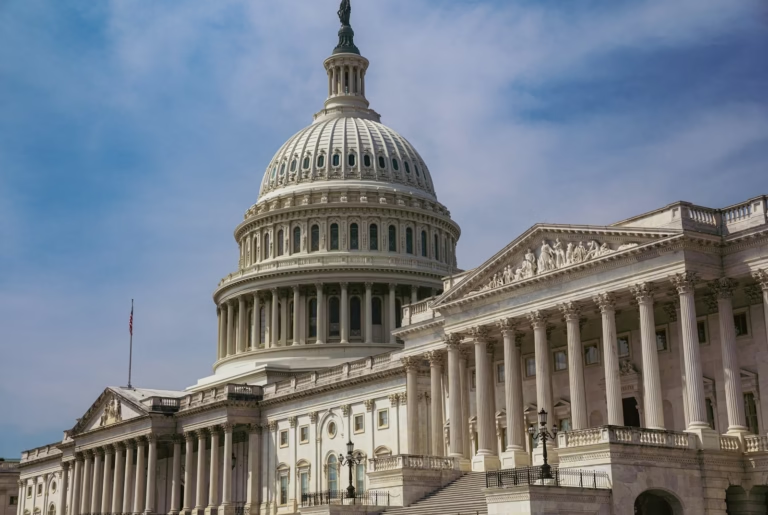
An Iran deal is no longer needed, President Donald Trump said Thursday, November 12, in a social media post that also told Vice President JD Vance to turn his attention to what the president described as corruption and crime in Democratic-run cities and states. The post came one day after The Wall Street Journal reported that Vance was weighing direct talks with a senior Iranian security official, a report Reuters said it had not independently confirmed.
The Iran deal statement marks a change in tone from earlier in the week, when Trump had described talks with Tehran as polite and suggested the roughly eight-month conflict could end soon. Here is what was said, how each side has responded and what it could mean for your budget.
What Trump Said About an Iran Deal
In his Truth Social post, Trump wrote that the United States does not need an Iran deal and that the time for one had passed, according to Reuters and Asharq Al-Awsat. "We don't need a deal with Iran," he wrote, as quoted by Reuters. He added that the U.S. already holds Iranian money, which he put at hundreds of billions of dollars, as well as control of the Strait of Hormuz. He did not give details on the funds.
Trump asked Vance to give his full attention to alleged fraud in Democratic-led states. NJ.com, in a report carried by Yahoo News, said the president named Minnesota, California and Illinois. Trump claimed that billions of dollars are stolen each month and said the federal budget could be balanced by stopping it. NJ.com noted that he did not provide evidence for the claim or explain how the money was being taken. Reuters reported that Trump also credited Vance with playing a role in efforts to resolve the war.
The Report on Vance and Iranian Officials
On Wednesday, The Wall Street Journal reported that Vance was considering face-to-face talks with a hard-line Iranian security official as part of a possible path to an Iran deal that would end the conflict. Reuters said it could not confirm those talks. Vance's office did not immediately respond to a request for comment, Reuters reported.
The vice president had already drawn attention after last week's midterm elections, in which Democrats won control of both chambers of Congress. According to The Epoch Times, Vance questioned whether the war had been worth its cost and pointed to the conflict, cost of living and inflation as reasons for Republican losses. Reuters reported that he called an earlier recommendation to end the war "sound advice."
Why the Iran Deal Question Matters Now
The U.S.-Israeli war with Iran began in late February 2026. Trump has defended it as necessary to keep Iran from obtaining a nuclear weapon, Reuters reported. The Epoch Times and The Washington Post have described a continuing U.S. naval blockade aimed at pressuring Iran's economy. On Monday, Trump said further U.S. military action was unlikely and that there was a good chance the war could end soon, according to The Epoch Times.
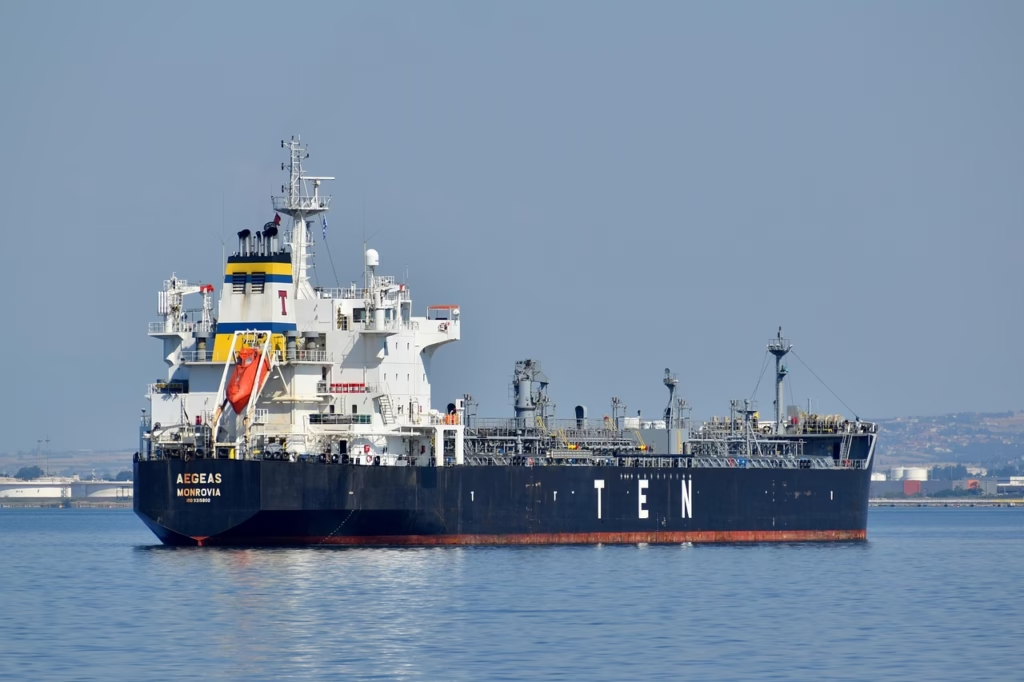
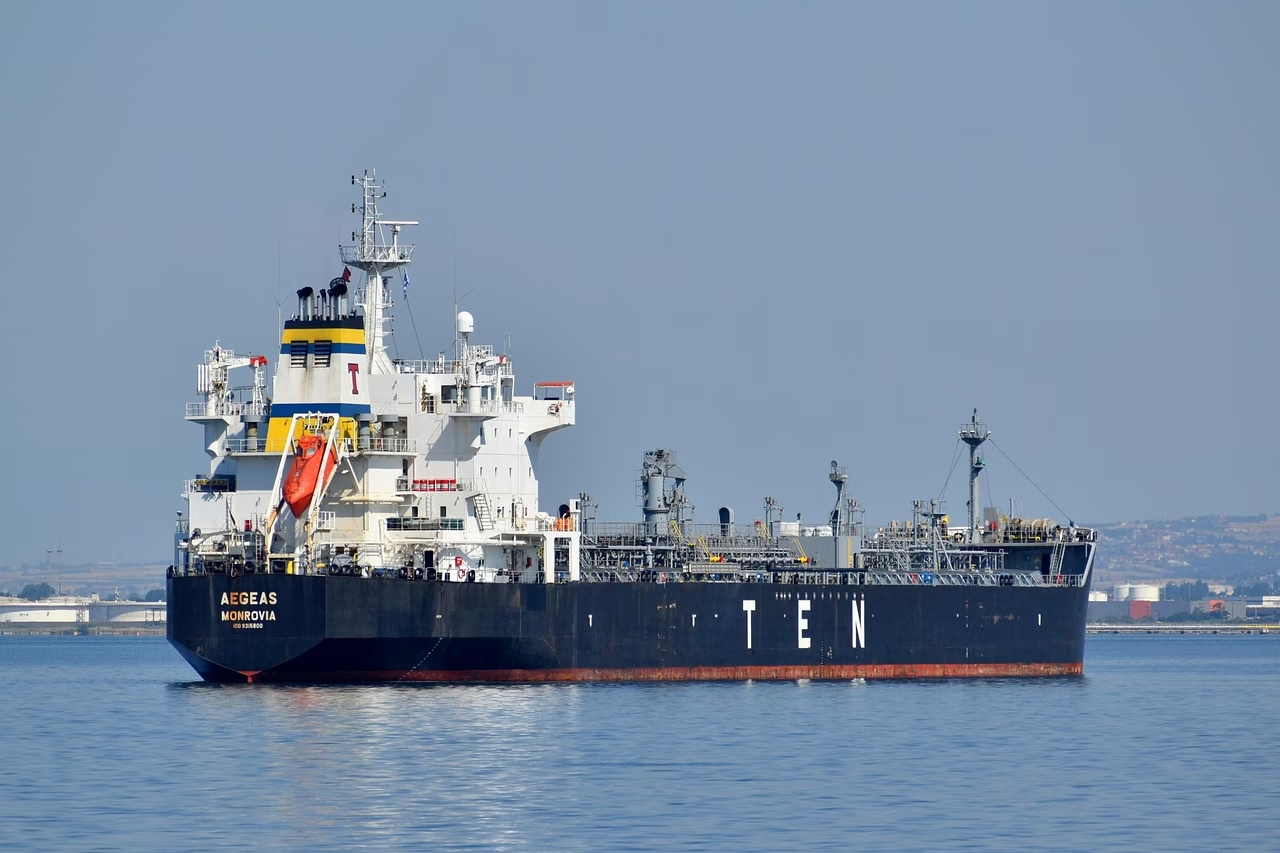
Shipping remains a central concern. Asharq Al-Awsat, citing Reuters, reported that Iran's military said four tankers were hit by explosions on Thursday, a claim that had not been independently verified. The same report cited data from the Washington Institute for Near East Policy showing 37 attacks on ships in October, the highest monthly total of the war, and at least 10 ships hit in the first 10 days of November.
The Strait of Hormuz and Oil Flows
The Strait of Hormuz is one of the most important energy routes in the world. The U.S. Energy Information Administration lists it among the key world oil transit chokepoints, with oil flows through the strait equal to roughly one-fifth of global petroleum liquids consumption. Any disruption there tends to move crude prices quickly, and those moves can show up in what Americans pay for gasoline, diesel and heating oil.
How Each Side Has Responded to the Iran Deal Shift
The White House and Republicans
Beyond the president's own post, no White House spokesperson had issued a separate statement on the Iran deal question by Thursday afternoon, based on the reports reviewed. Trump has said the war is needed to stop Iran's nuclear program. Within the Republican Party, Vance's post-election comments showed a different emphasis: he argued that the costs of the war weighed on voters, while Trump has maintained that the military campaign was necessary.
Democrats
Democrats, who will control both chambers of the incoming Congress, have not issued a unified response to Thursday's post in the reports reviewed. The Epoch Times reported that Democrats are weighing whether to use the December government funding deadline to press for an end to the war. Democratic officials in Minnesota, California and Illinois had not publicly responded to the fraud claims in the coverage available at the time of writing.
Iran
Iranian officials have set their own terms for any Iran deal. CBS News reported that a senior Iranian security official said Tehran would decide the format and agenda of any talks only after seven conditions were met, conditions Secretary of State Marco Rubio called unacceptable. Iran has not publicly confirmed any contact with Vance about an Iran deal.
Market Reaction After the Iran Deal Post
Financial markets reacted to the mix of war and inflation news. Yahoo Finance reported that U.S. crude oil prices rose after the post on Thursday morning. CNBC reported that the 10-year Treasury yield climbed back above 5% Thursday as oil gained and investors expected more Federal Reserve rate hikes. Earlier in the week, a hotter-than-expected inflation report pushed traders to raise their bets on a December hike.
Separately, the Labor Department reported Thursday that initial jobless claims rose by 9,000 to 200,000 for the week ended November 7, according to Yahoo Finance. The four-week average was unchanged at 195,250, a sign that layoffs remain low by historical standards.
What the Iran Deal News Means for You
The following section is our own analysis based on the reporting above. For most households, the Iran deal debate matters mainly through energy prices and interest rates. Oil that moves through the Strait of Hormuz affects the global price of crude, which in turn affects gasoline, diesel, jet fuel and heating oil. If shipping risks stay high without an Iran deal or another negotiated settlement, prices could remain volatile through the winter.
Gasoline had been easing before this week. As we reported, gas prices fell to $3.94 a gallon nationally on November 11, according to AAA. A renewed rise in crude could slow or reverse that trend. Households that heat with oil or propane should also keep an eye on forecasts, since heating costs are projected to rise this winter.
Practical Steps to Consider
- Track fuel costs: Price-comparison apps and warehouse club stations can help you find lower prices if gas starts climbing again.
- Lock in heating fuel early: Some oil and propane dealers offer fixed-price or capped plans before the coldest months.
- Watch borrowing costs: A 10-year Treasury yield above 5% tends to push mortgage rates higher. If you are buying or refinancing, compare rate-lock options.
- Review your budget: Build a small cushion for energy bills, which often rise first when oil markets react to Middle East news.
- Avoid reacting to headlines: Long-term savers generally benefit from sticking to a plan rather than trading on daily Iran deal or policy news.
What Comes Next
Several questions remain open. It is not clear whether the administration will pursue any further Iran deal talks through other channels, whether Vance will continue to play a role, or how the new Democratic majorities will approach war funding in December. Investors will also watch the next Fed meeting and energy prices for signs of how the conflict is affecting the economy.
This article is for information only and is not financial advice.
Sources: Reuters (via Investing.com); NJ.com (via Yahoo News); Asharq Al-Awsat; The Epoch Times; CNBC; Yahoo Finance; U.S. Energy Information Administration (eia.gov).