Published November 12, 2026 · By
Ibogaine research is getting its first major federal backing after the Department of Health and Human Services announced on Thursday, Nov. 12, 2026, that its Advanced Research Projects Agency for Health (ARPA-H) will commit up to $4.9 million over five years to prepare the ground for U.S. studies of the psychedelic drug as a possible treatment for post-traumatic stress disorder (PTSD). HHS paired the announcement with a separate $20 million funding opportunity from the National Institute of Mental Health for research on other fast-acting mental health drugs.
The ibogaine research move puts a drug that remains illegal in the United States on a formal federal research track. Below is what was announced, who said what, what the money does and does not cover, and what it could mean for veterans, patients and taxpayers.
Ibogaine Research: What HHS Announced
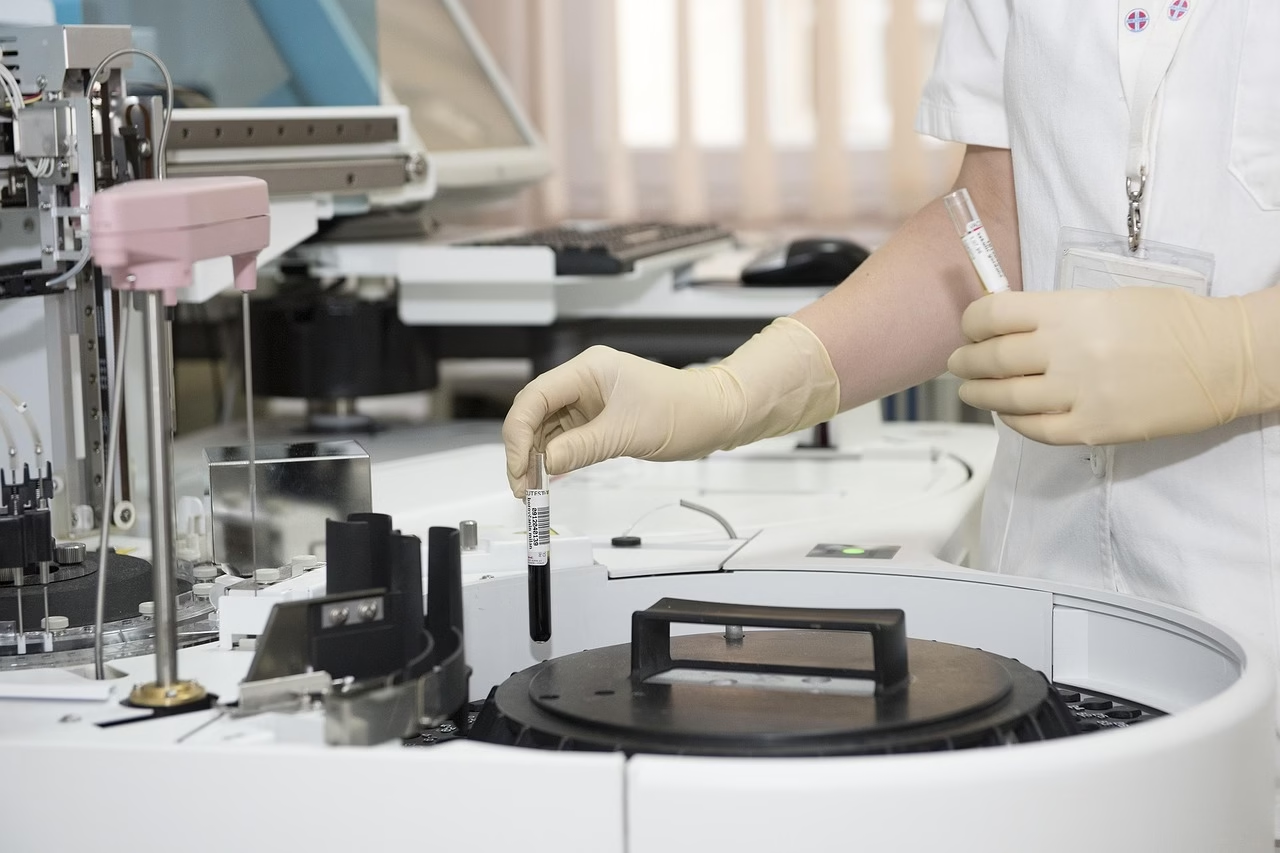
According to the official HHS press release, the ARPA-H ibogaine research awards will support the early work that has to happen before any clinical trial can begin. That includes preparing Investigational New Drug (IND) applications for the Food and Drug Administration, securing clinical-grade supplies of the drug and building domestic manufacturing capacity.
HHS said the funding is milestone-based. Each ibogaine research team must meet what the agency described as aggressive and accelerated research targets to keep receiving money. The department also said it expects additional ARPA-H awards in the future, including one focused on substance use disorders such as opioid addiction. All awardees will be required to make their data openly available.
Who received the awards
HHS named two participants. Mark Cuban Cost Plus Drug Company, a public benefit corporation, leads a team working on the regulatory, chemical, clinical and engineering groundwork for a domestically made, single-molecule ibogaine hydrochloride product for possible PTSD treatment. Beond, Inc., a Texas-based company, will provide clinical data on safety, dosing, effectiveness and how long results last.
The Associated Press reported that Beond has treated more than 3,000 patients with ibogaine at clinics in Mexico, where a course of treatment typically costs $10,000 to $20,000. AP said those clinics monitor patients' heart activity and keep emergency staff on hand.
What the money does not pay for
HHS stated plainly that the ibogaine research awards do not fund the treatment of patients or human-subject research, and that they do not authorize clinical trials or amount to FDA approval. AP likewise reported that the money will not go directly to patient research. In practical terms, the federal dollars are aimed at getting a product and a study design ready for FDA review, not at giving anyone the drug today.
The $20 Million NIMH Funding Opportunity
The second part of the announcement came from the National Institute of Mental Health, part of the National Institutes of Health. NIMH posted a $20 million Notice of Funding Opportunity to create a research network on what it calls rapid-acting psychotropic interventional drugs. HHS listed ketamine, esketamine and psilocybin among the treatments that could be studied, along with other emerging options.
Unlike the ibogaine research awards, this is an invitation for applications, not a grant already awarded. HHS said it expects to make those awards in the summer of 2027. Taken together, the ARPA-H commitment and the NIMH opportunity add up to roughly $25 million, which matches the figure some outlets, including the Washington Examiner, reported. That total is our own arithmetic based on the two amounts HHS published.
What Officials Said About Ibogaine Research
HHS Secretary Robert F. Kennedy Jr. framed ibogaine research around veterans. In the HHS release he said the department will follow the evidence, confront the risks and keep affordability at the center, adding: "Veterans kept their promise to this country. We must keep ours." AP reported that Kennedy said the funding would dramatically accelerate the clinical trial process.
Veterans Affairs Secretary Doug Collins joined the announcement. According to AP, he said the work would focus first on safety and high-quality research. In the HHS release, Collins said the VA wants to prepare its clinicians in case the FDA eventually approves a treatment. HHS did not list a separate VA dollar amount.
Dr. Al Bugazia, a senior adviser for special projects at ARPA-H who is leading the ibogaine research effort, said reports of successful ibogaine treatments are too promising to ignore, and that the agency aims to deliver results in years rather than decades.
How the policy got here
The announcement follows an executive order President Trump signed in April directing federal agencies to speed up research on psychedelic drugs, according to The National News Desk. AP reported that ibogaine has been championed by veterans' groups, conservative lawmakers and podcasters aligned with the president. AP also reported that both Kennedy and Collins had voiced support for psychedelic research before Thursday's announcement.
The sources reviewed for this article did not include on-the-record reactions from Democratic or Republican members of Congress to Thursday's specific awards. Meridian Pioneer will update readers if lawmakers from either party weigh in on the funding or its oversight.
Safety Concerns and Legal Status
Ibogaine is illegal in the United States. AP described it as being in the same highly restrictive drug class as LSD, ecstasy and most other psychedelics. That status is one reason formal U.S. ibogaine research has been limited.
HHS itself acknowledged the risks. The department said the drug carries serious safety concerns, including potentially life-threatening heart rhythm problems, and that any future studies must include participant screening, cardiac monitoring and independent safety oversight. AP reported that side effects can include intense hallucinations, nausea, vomiting and tremors, along with irregular heart rhythms that can sometimes be deadly.
Other psychedelic drugs under FDA review
Ibogaine research is not the only psychedelic work moving through federal channels. AP reported that the FDA is reviewing three psychedelic drug applications, including what would be the first psilocybin-based medicine and a treatment based on MDMA, and that decisions could come within weeks or months. Those reviews are separate from the funding announced Thursday.
Ibogaine Research: What It Means for You
For most Americans, the immediate impact is limited. No new treatment is available, no insurance plan or VA benefit has changed, and the drug remains illegal. The steps below are our own analysis of what the announcement means in practical terms, based on the facts reported by HHS and AP.
If you are a veteran or live with PTSD
- Approved PTSD treatments, including therapy and prescription medication, remain available through the VA and private providers. Talk to your doctor before changing any treatment.
- Because HHS says the ibogaine research awards do not fund patient treatment or trials, there is no federal ibogaine study to enroll in yet. Future trials would be listed on ClinicalTrials.gov once approved.
- Overseas clinics charging $10,000 to $20,000 are outside U.S. regulation. HHS has warned about heart risks, so anyone considering travel for treatment should discuss it with a physician first.
Your money and your health coverage
The $4.9 million ARPA-H ibogaine research commitment is small compared with overall federal health research spending, and it is paid out only as milestones are met. For families already weighing medical costs, the bigger near-term questions are insurance premiums and plan choices. Our guide to Medicare 2027 open enrollment costs covers what to compare this season, and veterans following benefit changes in Congress can read our report on the Major Richard Star Act vote.
If ibogaine or another psychedelic treatment eventually wins FDA approval, insurance coverage and pricing would be decided later. HHS has said affordability is a priority, and the involvement of a cost-focused drug company suggests price will be part of the discussion, but no price, coverage rule or approval date has been announced.
Key dates to watch
- Possible FDA decisions on pending psilocybin and MDMA applications, which AP said could come within weeks or months.
- Future ARPA-H awards, which HHS said may include ibogaine research for substance use disorders.
- NIMH awards from the $20 million opportunity, expected in summer 2027.
- Any IND filing with the FDA resulting from ibogaine research, which would be the step before a U.S. clinical trial.
Ibogaine research is still at an early stage, and federal officials have stressed safety as the first priority. The coming months will show whether the funding produces an FDA-ready study and how lawmakers in both parties respond.
This article is for information only and is not medical or financial advice.
Sources: U.S. Department of Health and Human Services press release (Nov. 12, 2026); Associated Press, Matthew Perrone (Nov. 12, 2026); The National News Desk (Nov. 12, 2026); Washington Examiner (Nov. 12, 2026).