Published November 15, 2026 · By
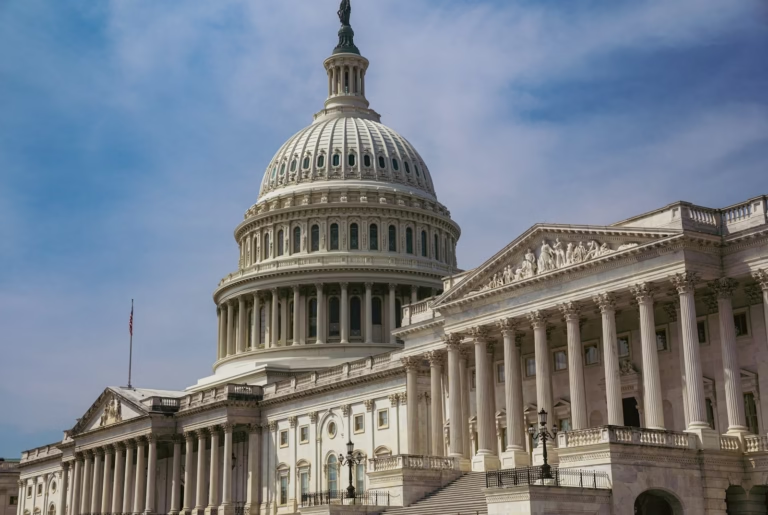
Trump judicial nominees are running into an unusual obstacle in the final weeks of the Republican-controlled Senate: other Republicans. According to a Reuters report published Sunday, Nov. 15, 23 nominees remain pending as the White House pushes to fill as many federal court seats as possible before Democrats take over the chamber in January. Several GOP senators, led by Thom Tillis of North Carolina and John Cornyn of Texas, have slowed or stopped individual picks.
The senators involved describe the dispute over Trump judicial nominees as one about process. They say the White House has sidestepped the traditional role home-state lawmakers play in choosing judges. The administration says it expects the full slate of Trump judicial nominees to be confirmed this year.
Trump Judicial Nominees: Where the Numbers Stand
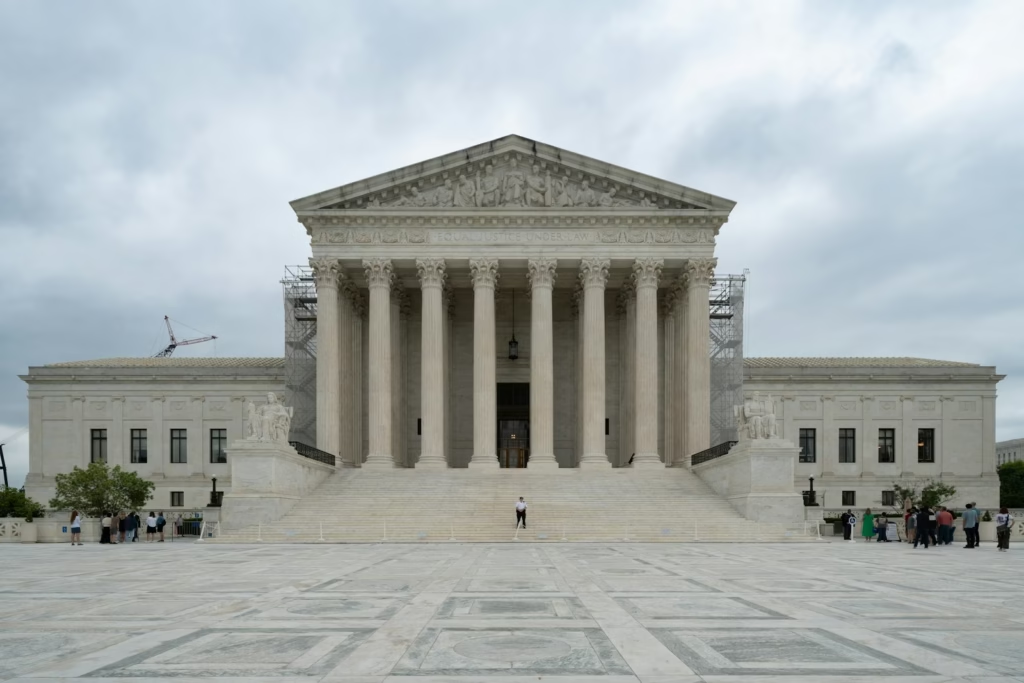
President Trump has won confirmation of 57 judges so far in his second term, according to both Reuters and the Associated Press. The AP, citing figures from the Senate Judiciary Committee, broke that total down as 10 appeals court judges, 46 district court judges and one judge on the U.S. Court of International Trade.
As of Wednesday, Nov. 11, 24 Trump judicial nominees were pending, the AP reported. Reuters put the figure at 23 on Sunday, after the Senate held its first confirmation vote of the lame-duck session on Thursday. Reuters also noted that Trump made 234 judicial appointments in his first term and that roughly one-third of active federal judges were appointed by him.
Federal judges serve lifetime terms, which is why both parties treat each seat as a long-term prize. The federal judiciary keeps a public list of open seats on its official judicial vacancies page.
The calendar before January
Reuters reported that a floor vote is set for Monday on Daniel Domenico, a federal judge in Colorado whom Trump nominated to the 10th U.S. Circuit Court of Appeals. The Judiciary Committee is scheduled to vote on other nominees Tuesday, and a hearing is planned for Wednesday. Republicans keep their majority until the new Congress is sworn in, after Democrats won control of the Senate in the Nov. 3 midterm elections.
Which Trump Judicial Nominees Have Stalled
Three Trump judicial nominees illustrate the friction. Each involves a senator who says the White House did not give home-state lawmakers enough say.
Arkansas: Rudofsky withdrawn, Hiland named
On Tuesday, Nov. 10, the White House withdrew the nomination of U.S. District Judge Lee Rudofsky to the 8th U.S. Circuit Court of Appeals. Arkansas Sens. John Boozman and Tom Cotton, both Republicans, had not endorsed him. The AP, citing two people familiar with the matter, reported that Cornyn and Tillis had privately told Judiciary Committee Chairman Chuck Grassley they would vote against Rudofsky in committee.
The administration replaced him with Arkansas Supreme Court Justice J. Cody Hiland, Reuters reported. The AP said the White House did not respond to a request for comment on the withdrawal.
Oklahoma: Zach West lacks committee votes
Grassley postponed a committee vote on Zach West, Trump's pick for a federal district court seat in Oklahoma, after Tillis backed the objections of Oklahoma Sen. Armstrong, a Republican. The AP reported that Armstrong first approved West and later reversed course, saying his concerns were about qualifications and that the White House largely ignored other candidates he recommended.
Reuters reported that West still lacks the votes to clear the committee. Armstrong leaves the Senate on Nov. 30 and will be succeeded by Senator-elect Kevin Hern, who Reuters said may take a different view of the nomination.
Texas: Gaiser and the blue slip
T. Elliot Gaiser, who leads the Justice Department's Office of Legal Counsel, is Trump's pick for a district court seat in the Dallas area. The AP reported that Sen. Ted Cruz's staff first contacted Gaiser on Nov. 4, the day after the election, and that he was not reviewed by the bipartisan Texas panel that usually screens judicial candidates.
Cornyn, who lost his primary runoff earlier this year to a Trump-backed challenger, has declined to commit to supporting Gaiser. He told the AP he believes there is a better choice and raised Gaiser's work on challenges to the 2020 election results. Under the Senate's "blue slip" practice, home-state senators must sign off on district court nominees, so Reuters reported Gaiser cannot appear at Wednesday's hearing without Cornyn's approval.
What Each Side Said About Trump Judicial Nominees
Tillis, who is retiring, has been the most outspoken. He told Reuters the White House sometimes presents a nominee as its choice and asks senators to fall in line. "That's not how it works here," he said. In an earlier interview with the AP, he put it this way: "Don't treat us like a manufacturing facility. Treat us like the U.S. Senate." He also told the AP he did not care whether his stance on Trump judicial nominees angered the White House.
Tillis told Reuters he moves a nominee forward when both of a state's Republican senators ask him to, and holds back when they do not.
The White House and GOP leaders
A White House official told Reuters the administration expects all judicial nominees pending in the Senate to be confirmed this year. Senate Majority Leader John Thune said on Monday that confirming judges is a top priority while Republicans control the chamber, Reuters reported.
To move Trump judicial nominees, Grassley has set what the AP described as an ambitious timetable, moving the Judiciary Committee at its fastest pace since the Reagan administration. In a Wall Street Journal opinion piece published Tuesday, he urged colleagues not to slow down.
Democrats
Senate Minority Leader Chuck Schumer told the AP that Democrats, once in the majority, will not confirm what he called low-quality nominees. Republicans are moving quickly because they expect a Democratic-led Senate to block most Trump judicial nominees after January, the AP reported. Democratic members of the Judiciary Committee have objected to the pace, according to the AP.
The leadership fight among Senate Democrats is also unresolved. Schumer is seeking to become majority leader, while Sen. Chris Van Hollen of Maryland has entered the race, as covered in our report on John Fetterman's warning about Van Hollen.
Why the Home-State Fight Matters
Analysis: Judicial confirmations normally depend on cooperation between the White House and the senators from a nominee's state. The blue slip gives those senators significant leverage over district court picks, and members of the Judiciary Committee can delay votes. With only a few weeks left before the majority changes hands, any delay can effectively end the chances of Trump judicial nominees still in line, because unconfirmed nominations generally expire at the end of a Congress and must be resubmitted.
The math is also shifting. Tillis is retiring, Cornyn is leaving after his primary loss, and Armstrong departs Nov. 30. Their influence on the committee is limited to the remaining weeks of the session, but in a narrowly divided panel, one or two Republican votes can decide whether a nominee advances.
For broader context on how the midterms reshaped Congress, see our coverage of the Hegseth impeachment vote, which also played out in the lame-duck House.
What It Means for You
Federal district courts handle most federal cases, from bankruptcy and Social Security appeals to business disputes, immigration matters and challenges to federal rules. Appeals courts such as the 8th and 10th Circuits set binding precedent for several states at once. Who fills those seats can shape how laws are interpreted in your region for decades.
Here is what to watch for Trump judicial nominees in the coming days:
- Monday: the Senate floor vote on Daniel Domenico for the 10th Circuit.
- Tuesday: Judiciary Committee votes, including whether Zach West advances.
- Wednesday: whether T. Elliot Gaiser gets a hearing, which depends on Cornyn's blue slip.
- Nov. 30: Armstrong leaves and Kevin Hern joins the Senate.
- January: Democrats take control, which is expected to change how Trump judicial nominees are handled.
Seats left open in January, and any Trump judicial nominees not yet confirmed, would go to a Senate led by Democrats, who would decide whether to hold hearings on any new Trump picks. If you follow a case in federal court, the identity of the judge assigned to it is public, and court websites list which seats are vacant. You can also contact your senators' offices to share your views on pending nominations.
The Bottom Line
The final stretch of GOP control has turned into a test of how much say senators keep over the courts in their own states. The White House says it expects every pending nominee to be confirmed this year. Tillis, Cornyn and other Republicans say the process must include home-state senators. Democrats say they will apply their own standards once they hold the majority. The outcome of the Trump judicial nominees push will be measured seat by seat in the weeks before January.
Sources: Reuters (via 93.3 The Drive); Associated Press; The Daily Beast; U.S. Courts.