Published November 20, 2026 · By
Pentagon funding is back in limbo on Capitol Hill after Senate Republicans set aside, at least for now, President Donald Trump's push for a $350 billion party-line defense package. With the government's current funding set to run out on Dec. 11 and Democrats taking control of both chambers on Jan. 3, lawmakers are weighing smaller Pentagon funding options instead, according to reporting by Punchbowl News, Federal News Network, Breaking Defense and Newsmax.
The shift matters beyond the military budget. How Congress settles Pentagon funding in the next three weeks will shape whether a short-term spending deal comes together or whether the country heads toward a government shutdown just before the holidays.
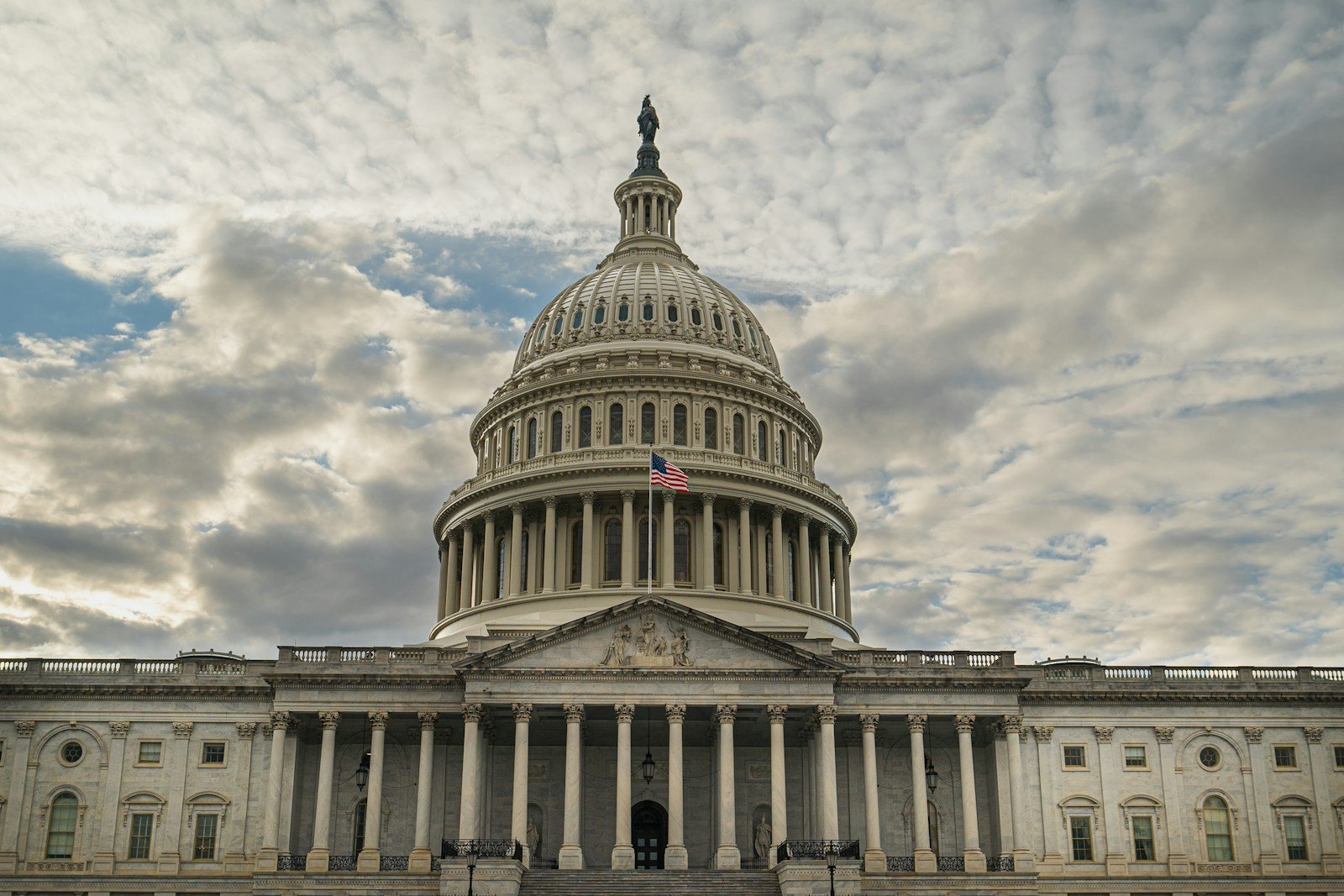
Pentagon Funding: What Happened This Week
Senate Republicans met twice in conference on Wednesday to discuss the defense plan, and Deputy Defense Secretary Steve Feinberg briefed senators at one of those sessions, The Washington Sun reported. Afterward, Republicans acknowledged they did not have the votes to bring up the budget resolution needed to start the process this week, effectively ending hopes of passing a final package before their self-imposed Thanksgiving deadline.
By Thursday, Punchbowl News described the $350 billion plan as "all but dead," noting that Senate Republicans had sidelined tens of billions of dollars in party-line military spending. Several GOP senators, including Katie Britt, Tim Scott, Marsha Blackburn and Cynthia Lummis, signaled support for a bipartisan path, according to people in the room cited by the outlet.
Why reconciliation was on the table
The plan relied on budget reconciliation, a process that lets the majority pass certain tax and spending bills with a simple majority in the Senate, avoiding a filibuster. Republicans have used it twice already in this Congress. A third bill, dubbed "Reconciliation 3.0" on Capitol Hill, was meant to carry extra Pentagon funding that the administration requested on top of regular appropriations. Our earlier coverage of Trump's $350 billion reconciliation push explains how the plan first took shape.
The Numbers Behind the Pentagon Funding Fight
The Defense Department's Pentagon funding request for fiscal 2027 totals $1.5 trillion, according to Breaking Defense. That figure breaks down into a $1.15 trillion base budget plus $350 billion that the administration wanted to move through reconciliation. Federal News Network reported that the base request alone represents roughly a $250 billion increase.
Lawmakers are working from several competing figures:
- $1.5 trillion: the administration's total fiscal 2027 defense request.
- $350 billion: the share meant to pass through a party-line reconciliation bill.
- $1.1 trillion: the Senate appropriators' Pentagon funding bill unveiled this week, which shifts nearly $69 billion in items from reconciliation into regular spending.
- $1 trillion-plus: the House Appropriations Committee's defense bill released over the summer.
- $87.6 billion: a separate supplemental request, including $67.1 billion in defense money tied to the war with Iran.
Neither version of the Pentagon funding bill has passed the full House or Senate. Newsmax reported that the extra money would pay for items such as F-35 fighter jets, precision missiles and munitions stockpiles strained by the Iran conflict. The national debt now stands at about $40 trillion, a figure some Republicans cited in asking for spending offsets.
What Republicans Are Saying About Pentagon Funding
Senate Majority Leader John Thune (R-S.D.) has not ruled out reconciliation. He told reporters Republicans want to "explore all the possibilities," and he said it remained an open question whether the votes are there, according to The Washington Sun. Budget Committee Chair Ron Johnson (R-Wis.) said a budget resolution vote was probably not happening this week but added that the option is not off the table.
Rep. Mike Rogers (R-Ala.), the outgoing chairman of the House Armed Services Committee, was more direct at a Hudson Institute event. "$350 [billion] is not going to happen," he said, as quoted by Breaking Defense. Rogers said a reconciliation bill "of some size" could still pass if it were cut to around $100 billion and focused on the budget hole created by operations in Venezuela and Iran, munitions stockpiles, an aviation issue and farm aid.
Skeptics inside the GOP
Leaders can lose no more than three Republican votes on a party-line bill. Sens. Bill Cassidy, Susan Collins, Lisa Murkowski, Rand Paul and Thom Tillis have expressed doubts, The Washington Sun reported. Paul has said he does not support a partisan bill that spends or borrows more money, according to Newsmax, while Collins has said she prefers the regular appropriations process. Sen. John Boozman (R-Ark.) has argued for more military funding. In the House, Budget Chair Jodey Arrington (R-Texas) has called for offsets.
Trump, for his part, used a Nov. 12 Truth Social post to urge Senate GOP leaders to move on the $350 billion bill before Republicans lose their majority.
What Democrats Are Saying
Democrats oppose additional Pentagon funding tied to the war with Iran, and party leaders have favored a short-term spending deal that pushes the larger fight into next year, Newsmax reported. Senate Democratic Leader Chuck Schumer (D-N.Y.) has said Democrats do not want to shut down the government. Sen. Chris Van Hollen (D-Md.), who is challenging Schumer for the leadership post, has vowed to block war funding in any deal.
On the defense policy bill, Rep. Adam Smith (D-Wash.) and Sen. Jack Reed (D-R.I.), the top Democrats on the Armed Services committees, were guarded. Punchbowl News reported that Democrats still see the overall Pentagon topline as the biggest sticking point in talks over the National Defense Authorization Act.
The Dec. 11 Deadline and Shutdown Risk
The continuing resolution that funds the government, including current Pentagon funding, expires on Dec. 11. Republicans have roughly two weeks left in session before the new Congress begins on Jan. 3. Sen. John Kennedy (R-La.), a member of the Appropriations Committee, put the odds of a shutdown at roughly 50-50 or higher, according to The Washington Sun. We covered the earlier standoff in our report on government shutdown risk.
Rogers said House Republicans are considering a single package that could combine the defense policy bill, a stopgap spending measure, a renewal of the FISA surveillance law and several full-year appropriations bills, Federal News Network reported. He also said a proposed Autonomous Warfare Command and right-to-repair language are unlikely to make it into law this year.
Analysis: what to watch next
Our analysis: the key signals over the next two weeks are whether Senate Republicans schedule a budget resolution vote, whether a smaller reconciliation figure for Pentagon funding gains support, and whether leaders in both parties agree on a stopgap bill before Dec. 11. The official House Armed Services Committee reconciliation resources page tracks the committee's documents on the process.
What It Means for You
For most households, the Pentagon funding debate matters less for the dollar figures than for the deadline attached to it. If Congress fails to pass a funding bill by Dec. 11, a shutdown could delay some federal services, put federal workers on furlough or unpaid duty, and slow processing at certain agencies.
- Federal workers and contractors: watch for guidance from your agency as Dec. 11 approaches, and review your emergency savings in case paychecks are delayed.
- Service members and military families: troops are generally required to keep working during a shutdown, but pay timing can depend on what Congress passes. The pending defense policy bill also covers the annual troop pay raise.
- Travelers: past shutdowns have strained air traffic control and airport security staffing, so allow extra time for holiday trips.
- Taxpayers: a larger Pentagon funding bill without offsets adds to federal borrowing, which some lawmakers in both parties have flagged as a concern.
Benefits such as Social Security and Medicare payments have continued during past shutdowns, though some customer service functions may slow. This article is for information only and is not financial advice.
Sources: Punchbowl News (Nov. 19, 2026); Federal News Network (Nov. 19, 2026); Breaking Defense (Nov. 18, 2026); The Washington Sun (Nov. 18, 2026); Newsmax via Yahoo News (Nov. 19, 2026); House Armed Services Committee.