Published November 21, 2026 · By
The end of penny production is now written into federal law. President Donald Trump on Friday, Nov. 20, signed the Common Cents Act, a bipartisan bill that permanently stops the U.S. Mint from making one-cent coins for circulation and sets rules for how stores round cash purchases now that new pennies are no longer coming.
The signing on penny production closes a debate that has surfaced in Congress since at least 1989, according to CQ-Roll Call. It also turns a 2025 administrative decision into a statute that a future Treasury secretary could not simply reverse. Existing pennies stay legal tender, and card and electronic payments are not affected.
What the Penny Production Law Does
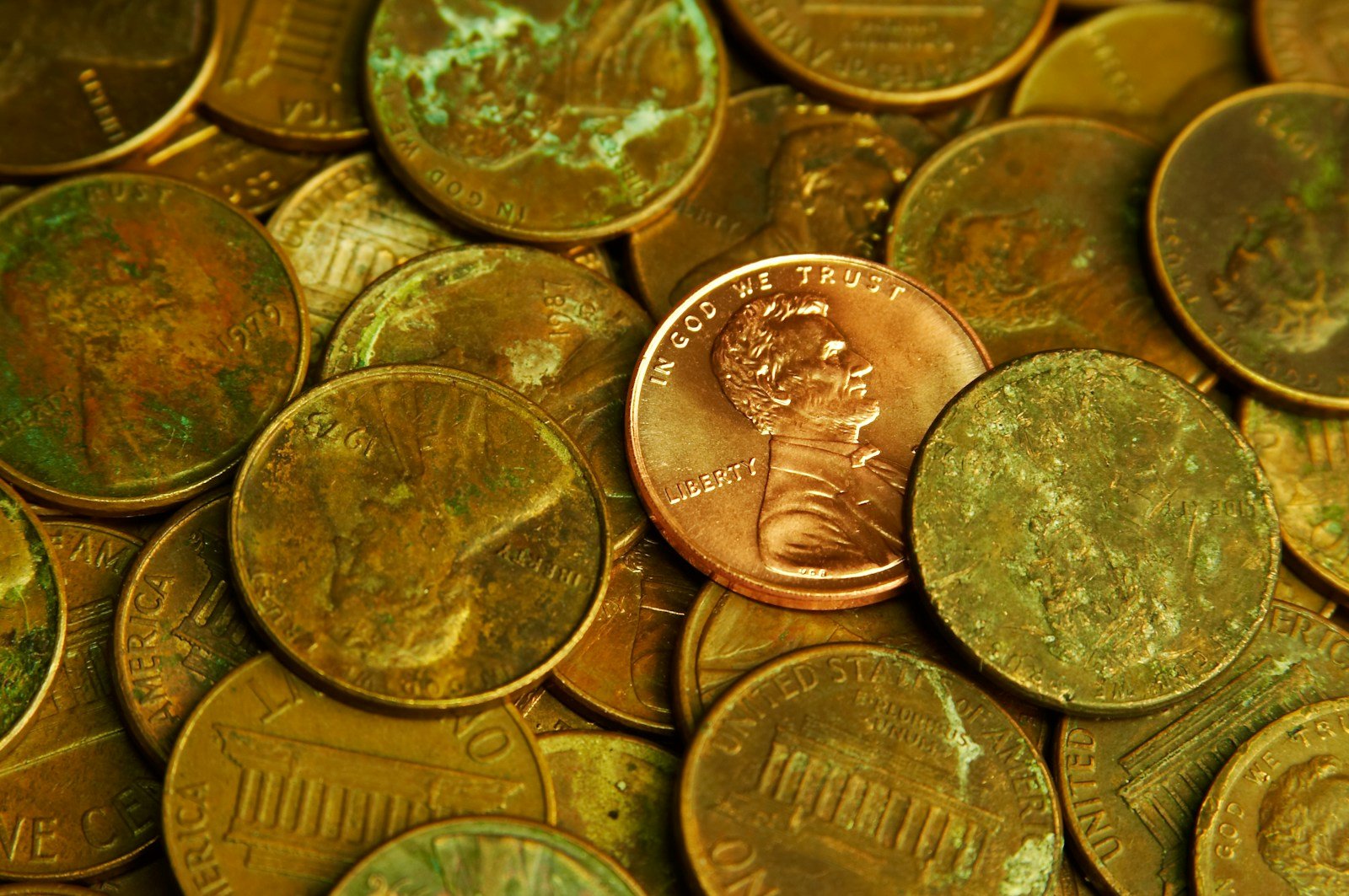
According to reporting by CQ-Roll Call, NBC News and SweetwaterNOW, the Common Cents Act does four main things. First, it codifies the end of penny production for coins meant for everyday use, a halt that had already been in place since late 2025. The Mint may still strike limited collector editions, NBC reported.
Second, it keeps every penny already in circulation valid. NBC quoted the law as saying the coin remains legal tender "for all debts, public charges, taxes, and dues." Treasury estimates about 114 billion pennies are still out there, and it has said the Federal Reserve will keep recirculating them for as long as possible.
Third, because penny production has stopped, it gives businesses a legal framework to round cash transactions to the nearest five cents when a customer does not pay with exact change. Fourth, it updates the specifications for the nickel, allowing the five-cent coin to be made with a zinc core and a nickel outer layer instead of its current copper-nickel mix, NBC reported.
Rounding applies only to cash
SweetwaterNOW, citing the office of Sen. Cynthia Lummis, R-Wyo., reported that card, check and electronic payments will remain exact to the penny. Rounding applies only to cash sales that are not settled with exact change. The published reports reviewed for this article did not spell out a specific tie-break rule for amounts that end in exactly 2.5 cents, so shoppers should watch for guidance from Treasury and from individual retailers.
A new check on future coin changes
During Senate consideration, lawmakers added a section requiring the Treasury secretary to notify Congress before discontinuing any other coin, CQ-Roll Call reported. That change sent the bill back to the House, where it was reintroduced under a new House number. The White House lists the final measure as H.R. 10167.
How the Bill Moved Through Congress
The penny production bill took most of the year to reach the president. The House first passed a similar measure in July 2026. The Senate approved its version by unanimous consent on Aug. 7, then the House took up the revised text on Sept. 14, and the Senate cleared the final version by unanimous consent on Sept. 28, according to CQ-Roll Call. NBC and SweetwaterNOW reported that the House acted by voice vote, so no individual roll call was recorded.
Support crossed party lines. Rep. Lisa McClain, R-Mich., sponsored the House bill, with Rep. Robert Garcia, D-Calif., listed as a companion sponsor. In the Senate, Lummis led the effort alongside Sen. Kirsten Gillibrand, D-N.Y., Sen. James Lankford, R-Okla., and Sen. Ron Wyden, D-Ore., SweetwaterNOW reported. Lummis's office said the law completes work begun by the late Sen. Mike Enzi, R-Wyo., whose earlier COINS Act aimed at the same goal.
Why Penny Production Ended
The core argument for ending penny production has been cost. The U.S. Mint has said it costs nearly four cents to make a single one-cent coin, according to NBC. McClain made that point in a statement released through the House Financial Services Committee. "Washington has a spending problem, and it shows up in places big and small," she said, as quoted by CQ-Roll Call.
Estimates of the savings vary. McClain said in a September social media post that ending penny production will save $85 million per year, NBC reported. The Mint's 2025 estimate, cited by NBC and SweetwaterNOW, put immediate annual savings at about $56 million. The two figures come from different sources and were not reconciled in the reports.
The road from the 2025 order to the 2026 law
The halt to penny production did not start with Congress. In early 2025, Trump directed the Treasury Department to stop minting the coin, calling the process wasteful in a social media post. The last circulating penny was struck on Nov. 12, 2025, SweetwaterNOW reported. Collectors later bought the final three-coin sets at auction for a combined $16.76 million through Stack's Bowers, NBC reported. Until Friday, however, the pause in penny production rested on executive action rather than a statute.
What Lawmakers on Both Sides Said
House Financial Services Committee Chairman French Hill, R-Ark., said the law provides clear guidance for retailers, financial institutions and consumers, according to the committee statement reported by CQ-Roll Call. Senate Banking Committee Chairman Tim Scott, R-S.C., said it modernizes the currency system and gives families and businesses clear rules for everyday cash transactions.
Democrats Gillibrand, Wyden and Garcia were among the measure's sponsors, and no recorded opposition appeared in either chamber, according to the reports. Lummis's office described the signing as the completion of a long bipartisan push. The reports reviewed did not include public objections from lawmakers to the final bill. Supporters framed the end of penny production as a cost-saving measure with little effect on consumers.
What the End of Penny Production Means for You
For most Americans, the end of penny production will change daily life very little, because a large share of purchases are already made by card or phone. The biggest practical effects will show up at the cash register. Here is what to know, based on the reporting above and our own analysis.
Your pennies are still money
The end of penny production does not mean you need to rush to spend or cash in your coins. Pennies remain legal tender. As practical options, many banks and credit unions take rolled coins, and some stores have coin-counting kiosks, which may charge a fee. If you use cash-back tools to stretch your grocery budget, our guide to cash back apps for grocery shopping explains options that do not require a credit card.
Expect rounding on cash purchases
When you pay cash and the total does not end in zero or five, the store may round to the nearest nickel. In our analysis, the effect on any single purchase is at most two cents in either direction, and over many transactions the ups and downs should roughly balance out. Paying with exact change, including pennies, avoids rounding entirely.
Cards and digital payments stay exact
If you pay by debit card, credit card, check or mobile wallet, nothing changes. Your bill will be charged to the cent. In our reading, sales tax calculations should also be unaffected, because the rounding applies only to the final cash amount handed over at the counter.
Watch your budget, not the coins
The end of penny production is a small fiscal step compared with bigger pressures on household budgets, such as grocery prices, interest rates and fuel costs. For a broader look at how Americans are feeling about money right now, see our report on the latest U.S. consumer sentiment reading.
What Happens Next
Treasury and the Mint will now manage the end of penny production under the new statute instead of the 2025 directive. Retailers that accept cash now have a federal framework for rounding, and, in our analysis, the formal end of penny production removes uncertainty about whether new coins might return. Shoppers looking for official details can review the Treasury penny production FAQ and the White House notice on H.R. 10167.
Beyond penny production, any future move to drop another coin, such as the nickel, would first require Treasury to notify Congress under the new law. The reports reviewed did not mention any such proposal.
This article is for information only and is not financial advice.
Sources: CQ-Roll Call; NBC News; SweetwaterNOW; U.S. Department of the Treasury; The White House.