Published November 21, 2026 · By
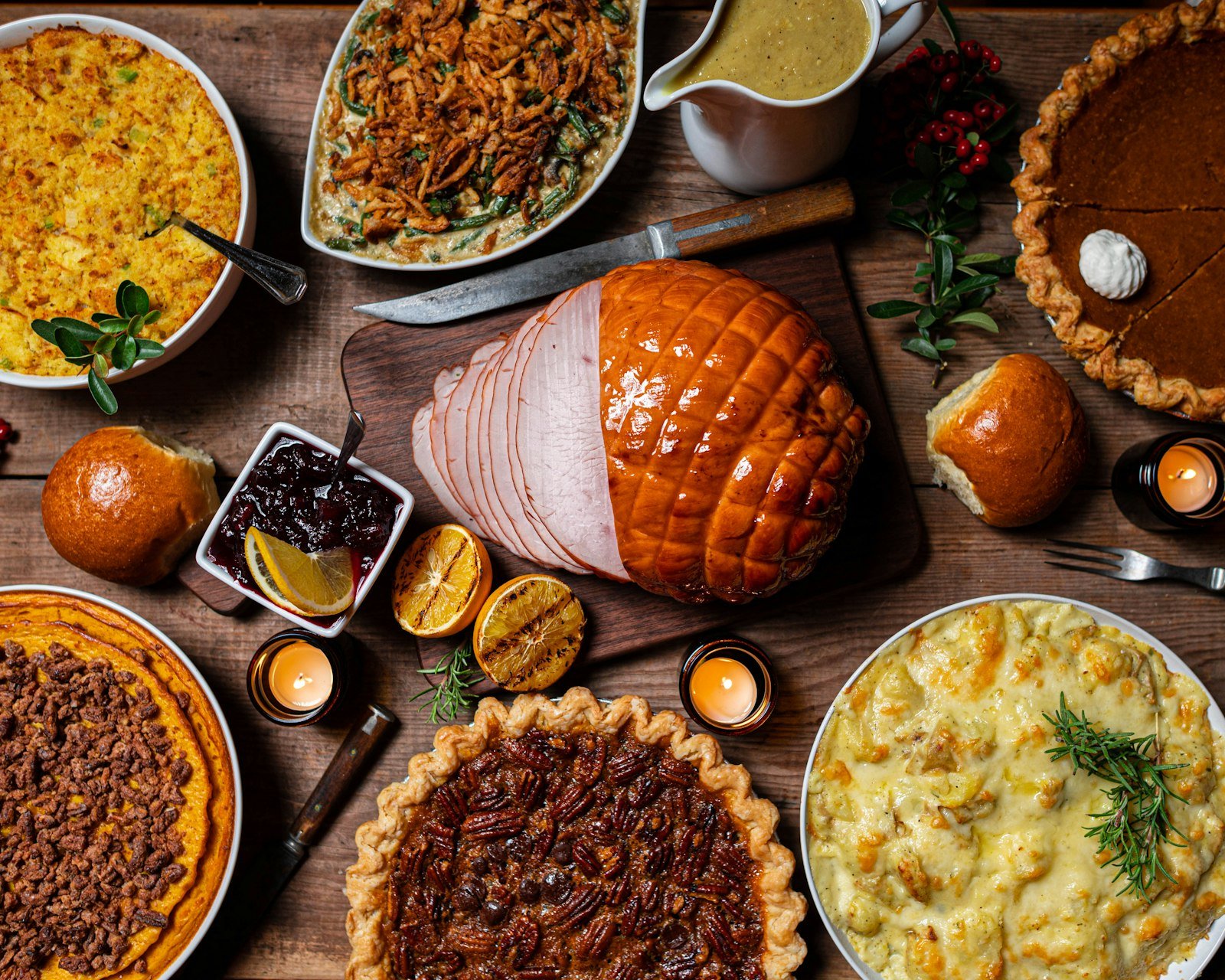
The Thanksgiving dinner cost for a classic holiday meal is rising this year for the first time since 2022, according to the American Farm Bureau Federation's annual survey. The group says the Thanksgiving dinner cost for a traditional feast for 10 people now averages $58.63, or about $5.86 per person, an increase of more than 6% from 2025. A whole frozen turkey accounts for most of the jump. Shoppers are searching for ways to keep their Thanksgiving dinner cost down as the holiday approaches on Thursday, Nov. 26.
Thanksgiving Dinner Cost Rises 6% in Farm Bureau Survey
The American Farm Bureau Federation (AFBF) released its 41st annual Thanksgiving dinner cost survey on Wednesday, Nov. 18. Volunteer shoppers checked prices during the first week of November, both in stores and through retailer apps and websites. They recorded the best prices available without special coupons or purchase deals. The national average draws on price data from all 50 states and Puerto Rico.
The group's menu has not changed since the survey began in 1986. It includes a 16-pound turkey, stuffing, sweet potatoes, rolls, peas, cranberries, a vegetable tray, pumpkin pie mix, pie shells, whipping cream and milk. At $58.63, the Thanksgiving dinner cost remains about 8.5% below the record of $64.05 set in 2022, according to the AFBF.
An expanded menu that adds boneless ham, russet potatoes and frozen green beans costs an extra $23.09. That brings the Thanksgiving dinner cost for the larger meal to $81.72 for 10 people.
Turkey Leads the Increase
A 16-pound frozen turkey averaged $23.68 in the survey, or $1.48 per pound. That is up about 10% from last year. The AFBF tied the increase to higher production costs, a turkey population that is still recovering and strong demand. The group also noted that some shoppers found turkey for as little as 69 cents per pound, and that grocery feature prices for whole frozen turkeys fell in the second week of November, after its survey was taken.
Mark Jordan, executive director of Leap Market Analytics, told The Associated Press that bird flu cut flocks starting in 2022, but cases are easing and production rose this year. He said demand for turkey as a lean protein and for export is growing. According to the AP report, the U.S. Department of Agriculture expects wholesale frozen hen prices to average a record $1.76 per pound this year.
Item-by-Item Price Changes
Most items behind the higher Thanksgiving dinner cost were more expensive than a year ago, according to the AFBF figures:
- Whole milk (1 gallon): $4.05, up 8.6%
- Fresh cranberries (12 ounces): $2.48, up 8.8%
- Dinner rolls (1 dozen): $3.81, up 7%
- Cubed stuffing mix (14 ounces): $3.91, up 5.4%
- Sweet potatoes (3 pounds): $4.20, up 5%
- Pumpkin pie mix (30 ounces): $4.24, up 1.9%
A few items got cheaper. The vegetable tray of carrots and celery fell 3.7% to $1.31, the largest percentage drop. Frozen pie crusts fell 2.7% to $3.28, frozen peas fell 2% to $1.99 and whipping cream dipped 1.6% to $1.84. The AFBF said low wheat prices helped flour-based products.
Why the Thanksgiving Dinner Cost Is Going Up
Faith Parum, the AFBF's deputy chief economist, said the overall increase reflects the rising cost of moving food from the farm to the table. She pointed to high diesel prices and a shortage of farm labor as pressures on farmers. The group's analysis also listed elevated fertilizer prices and higher costs for labor, rent and electricity. Parum added that U.S. families still spend a smaller share of their income on food than people in almost any other country.
Fuel is a recurring theme. AAA data cited by the AP show the national average price of diesel reached a record $6.53 a gallon in September and stood at $5.96 on the day the survey came out, up 58% from a year earlier. The AP linked the diesel spike to the Iran war. The AFBF said higher fuel costs for harvesting and shipping helped push up prices for cranberries, milk and rolls.
The AFBF also cited USDA estimates that less than 6 cents of each dollar spent on food goes back to the farm. Most of the money covers processing, packaging, transportation and retail. AFBF President Zippy Duvall used the release to urge Congress to pass a farm bill and farm labor reform.
Regional Differences
Where you live matters for the Thanksgiving dinner cost. The South had the cheapest classic meal at $54.33, followed by the Midwest at $56.89 and the West at $58.74. The Northeast was the most expensive region at $61.57, about 5% above the national average. For the expanded menu, regional totals ranged from $76.91 in the South to $86.62 in the Northeast.
Other Surveys Show a Mixed Picture
Not every Thanksgiving dinner cost estimate points in the same direction, largely because each survey uses different data and a different menu. The Wells Fargo Agri-Food Institute, which relies on retail scanner data, put the cost of its Thanksgiving food basket for 10 at $78.93, down 0.4% from last year. In its report, six of 10 food items cost less, including turkey, which slipped 0.5%, and cranberries, which fell 6.6%. Pumpkin pie rose 2.5%.
Wells Fargo also added beverages for the first time. Its expanded basket with wine, beer and sparkling water came to $127.54, or about $12.75 per person, up 0.5%. Sparkling water posted the largest increase at 6.4%. The bank's report put food-at-home inflation at 1.8% for the 12 months through September.
Retailers are also promoting their own bundles. According to the AP, Aldi offers a feast for 10 that mirrors the Farm Bureau menu for $39, while Walmart's version, with some different items, costs $35. Target advertised a meal for six at $30, according to an analysis published by Fortune.
The Bigger Grocery Picture
Government data put this year's Thanksgiving dinner cost in context. According to the AP, grocery prices measured by the Consumer Price Index rose 22% from October 2021 to October 2026. The USDA forecasts food-at-home prices to rise 2.3% in 2026, below the recent average of 2.6%. Readers can track the official data through the USDA Food Price Outlook and the Bureau of Labor Statistics CPI page.
The holiday comes as households weigh other costs. Our recent coverage of consumer sentiment in November showed year-ahead inflation expectations easing, while gas prices today have fallen to their lowest level since March.
What the Thanksgiving Dinner Cost Means for You
For most families, the national increase works out to about $3 to $4 more for a meal for 10 compared with last year. The bigger swing often comes from where and when you shop. The tips below are our own analysis, based on the survey findings.
Shop Turkey Sales This Week
Because the turkey is the single largest item, its price shapes the total Thanksgiving dinner cost more than anything else. The AFBF noted that store feature prices fell after its survey period and that some shoppers found birds for well under a dollar a pound. Many grocers offer a low-cost or free turkey with a minimum purchase, so comparing weekly ads can pay off. Frozen birds need several days to thaw in the refrigerator, so buy early enough to plan ahead.
Compare Bundles and Store Brands
Retailer meal bundles priced between $30 and $39 undercut the Farm Bureau's average Thanksgiving dinner cost, though menus differ. Store-brand stuffing, canned pumpkin and rolls typically cost less than name brands. Wells Fargo's report also found that a larger pumpkin pie can cost less than half as much per ounce as a smaller one, which matters if you are feeding a crowd.
Plan Portions and Share Costs
Planning portions helps trim your Thanksgiving dinner cost and limit waste on higher-priced items like milk, cranberries and rolls. Potluck-style dinners, where guests bring a side dish, spread the Thanksgiving dinner cost across several households. If you live in the Northeast, where prices run highest, comparing at least two stores may make the biggest difference.
Looking ahead, Jordan told the AP that diesel prices likely did not affect turkey prices this year but could affect them next year. Fuel costs and flock recovery will shape what families pay in 2027.
This article is for information only and is not financial advice.
Sources: American Farm Bureau Federation; PBS NewsHour / The Associated Press; Wells Fargo Agri-Food Institute; Fortune; USDA Economic Research Service.