Updated October 23, 2026. This independent guide explains how to evaluate a Chase Business Credit Card without assuming any approval, live bonus or promotional APR. Check official issuer terms before applying.
Guide contents
- Chase Business Credit Card: How to compare Ink cards
- Understand the different Ink product approaches
- Match the card to real business expenses
- The real cost of carrying a balance
- Eligibility and underwriting: what applicants should prepare
- How to interpret the unofficial 5/24 discussion
- Business liability and personal credit implications
- Employee cards, access and expense controls
- Foreign transactions and travel-related benefits
- Welcome bonuses: calculate eligibility before value
- Compare cash flow, fees and rewards with a worksheet
- Application steps and responsible use
- Important questions to ask before selecting a card
- Frequently asked questions
- Sources, limitations and editorial conclusion
Chase Business Credit Card: How to compare Ink cards
A Chase Business Credit Card can help an eligible U.S. business separate company purchases from personal transactions and manage spending through a card account. However, a business card is not an automatic financing solution: annual fees, interest, repayment obligations and rewards conditions can outweigh benefits. This guide is an educational comparison framework rather than a real-time listing of rates or welcome bonuses. Before applying, verify current terms directly with Chase and review the legally binding card agreement.
Business credit cards may appeal to freelancers, sole proprietors, established companies and growing businesses. Their needs differ substantially. A company paying most expenses for online advertising might value a different earning structure than a local service business that buys materials, pays utilities or travels occasionally. Evaluate expected purchases, actual redemption behavior, cash reserves and the risk of carrying a balance.
Published card offers may change without notice, and eligibility is subject to underwriting. Neither this article nor a marketing headline can determine whether an applicant will be approved. The application itself may require a credit inquiry and information about both the company and the responsible individual.
Understand the different Ink product approaches
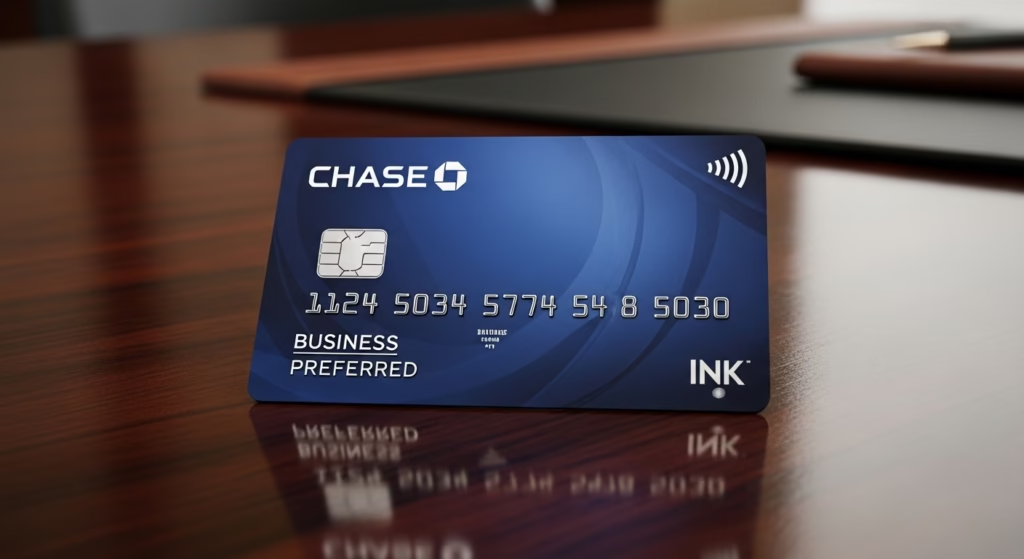
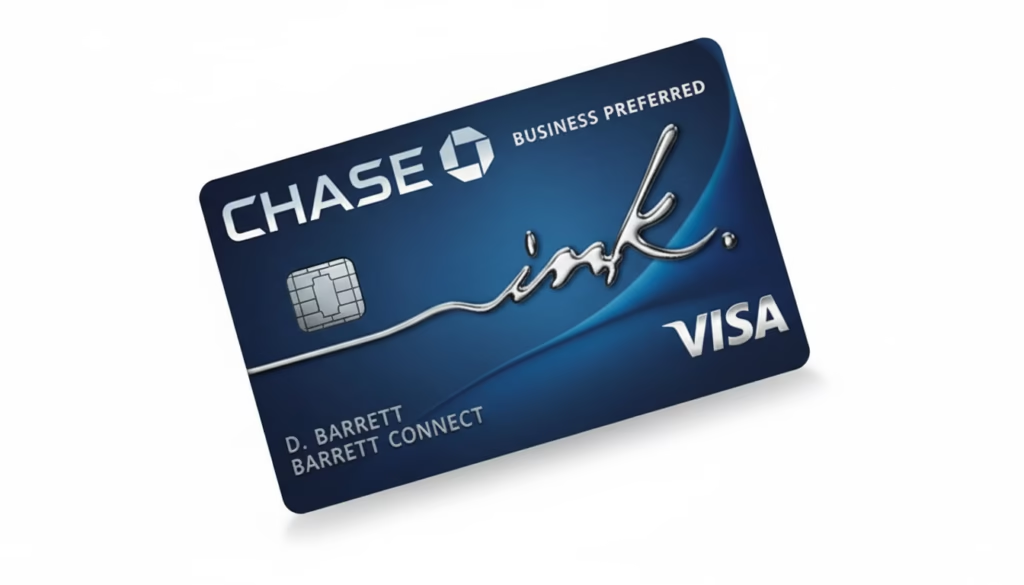
Chase markets multiple Ink business cards with different pricing and benefits. In broad terms, some products emphasize simple everyday rewards, some emphasize selected business spending categories, some focus on points and travel-related uses, and others target companies with larger purchase volumes. Product names and structures should be confirmed on the official issuer page at the time of comparison.
Do not assume one card is universally best for every business. A category-rewards card may earn more on qualifying purchases but less outside its defined categories, while a simpler flat-rewards structure may be easier to manage. A product with an annual fee might be rational only if the business reliably captures enough incremental value to offset that fee. Different redemption paths may also have different values or restrictions.
Make a comparison sheet with current annual fee, purchase APR, introductory APR if any, balance-transfer or cash-advance terms, transaction fees, employee-card provisions, merchant-category rules, spending caps, expiration conditions and rewards redemption options. Obtain each field from the current Chase pricing and benefits disclosures rather than from an older blog post or social-media claim.
Match the card to real business expenses
Start with the past three to six months of business spending, ideally using bookkeeping records or bank statements. Group purchases into advertising, travel, internet and telecommunications, office supplies, fuel, inventory, software, equipment and other expenses. Estimate how much is actually eligible under the issuer's merchant-category definitions. A purchase that appears related to advertising in your records may not code as an eligible advertising purchase.
Next estimate rewards with a conservative formula: eligible spending multiplied by the applicable published earn rate, subject to any annual category cap or exclusion. Do not apply the highest promotional earn rate to every purchase. When evaluating cash-back and points products, state how rewards will actually be redeemed. A theoretical travel valuation is not equivalent to cash available to pay suppliers.
For example, if a hypothetical card earned 2% on $30,000 of fully eligible annual spending, the gross reward would be $600. That number is only illustrative and does not represent a Chase offer. If the same account costs $200 in annual fees and the business pays $300 in interest, its simple net reward would fall to $100 before other charges. Financing costs can erase nominal earning advantages quickly.
The real cost of carrying a balance
A business credit card may offer flexibility, but credit card financing is often considerably different from a term loan or line of credit. A purchase APR can apply to balances carried beyond the grace period, with interest calculated under the card agreement. If the business needs to finance inventory for several months, estimate the financing cost explicitly rather than assuming rewards make borrowing inexpensive.
A promotional purchase APR, when available, is temporary and subject to its specific rules. Confirm the expiration date, which balances qualify, how minimum payments are calculated and which APR applies afterward. A transfer, cash advance or late payment may be treated differently from ordinary purchases. Never infer that a promotion covers all transactions or that a zero-percent period guarantees approval for a stated amount.
Build a repayment forecast that includes the date the business will receive revenue, the date each card payment is due and a contingency for late customer payments. If the business depends on carrying substantial balances indefinitely, compare alternatives such as a business line of credit or vendor payment terms, while checking their collateral, fees and qualification requirements.
Eligibility and underwriting: what applicants should prepare
An application may ask for legal business name, address, industry, structure, years in operation, estimated or actual annual revenue, contact details and information about the person legally responsible for the account. Requirements vary by applicant and product. Sole proprietors can have legitimate business activity even without a large company, but any representations about activity, revenue or formation must be accurate and supportable.
Chase may evaluate credit history, existing obligations, income, business information and other factors under its policies. There is no single publicly guaranteed score that secures approval for every Ink card. Avoid relying on purported score thresholds or promises that a checking relationship assures acceptance. A strong credit profile may help, but it does not override underwriting.
Before applying, review credit reports, correct identifiable errors through the appropriate channels and examine existing revolving balances. Gather relevant records so the submitted application can be consistent. Do not inflate revenue, misrepresent the business type or invent sales projections as completed earnings. If the application asks for estimated future revenue, follow the exact instructions and label estimates honestly.
How to interpret the unofficial 5/24 discussion
Consumers frequently discuss a Chase application screening practice known informally as 5/24, referring to the number of recent personal card accounts opened over a roughly two-year period. This is not a universal published contract term for every application and can involve exceptions or changes to internal criteria. Treat internet summaries as unofficial information, not a guaranteed approval or denial formula.
An applicant considering multiple cards should review recent account openings and avoid submitting unnecessary applications in a rush. The issuer retains discretion to make decisions using its own criteria. Being below a commonly discussed threshold does not ensure approval, just as being above it does not authorize an absolute prediction about an individual application.
Do not treat advice to open a business card before a personal card as a guaranteed workaround. Your long-term business requirements, credit inquiries, actual costs and ability to repay are more important than trying to optimize against an unofficial rule.

Business liability and personal credit implications
Many small-business credit card arrangements include personal responsibility for the debt, but the precise liability rules depend on the agreement and product. Read the guaranty and authorized-user language carefully. A business name appearing on the card does not automatically shield the owner from repayment obligations. Account delinquency may affect credit relationships and lead to collection.
Ask how the issuer handles credit bureau reporting for the particular account and circumstances. Reporting practices can distinguish ordinary account activity from serious delinquency or other events. Avoid treating all business cards as categorically absent from personal credit records. Review the documents and ask the issuer for product-specific guidance.
Keep business expenditures documented for accounting purposes, and establish a clear approval process for employee cards. Internal spending limits, receipt requirements, transaction alerts and regular reconciliation help prevent accidental overspending. These controls matter regardless of how attractive an earn rate appears.
Employee cards, access and expense controls
Employee cards may help centralize permitted expenses, but they create practical responsibility for the business. Evaluate whether the issuer allows individual spend controls, monitoring, alerts and clear transaction records. Pricing and features must be checked for the specific product because they can change or differ between cards.
Set written policies defining authorized purchases, travel expenses, subscriptions and reimbursement practices. Review expense feeds at least monthly, reconcile receipts and remove access promptly when a staff member changes roles. A founder who relies only on rewards dashboards may miss duplicate subscriptions, recurring charges or transactions requiring dispute.
Security should also shape the decision. Use account alerts, secure authentication and a process for reporting compromised cards. Never share credentials across employees simply to simplify bookkeeping. Review available issuer tools and ensure the selected card integrates with your business's actual accounting workflow.
Foreign transactions and travel-related benefits
If the business buys software or services from overseas vendors, foreign transaction fees can materially affect cost. Even a modest percentage fee on recurring international purchases can erase rewards. Verify the specific foreign transaction fee for the chosen product from its current pricing disclosure rather than assuming all Ink cards have the same treatment.
Travel benefits require equally careful review. Distinguish trip interruption or rental-car coverage from marketing descriptions, and examine exclusions, covered persons, payment requirements and claim procedures. Any protections offered depend on the applicable benefit guide, not on a generic description of the card family.
Businesses that rarely travel may not benefit from a travel-focused annual fee. Conversely, a company with genuine eligible travel spending may value insurance or redemption flexibility. Use only benefits you are realistically likely to use in the cost comparison.
Welcome bonuses: calculate eligibility before value
Welcome offers can have large headline values, but they usually require qualifying purchases within a specified period and can include exclusions, account restrictions or other terms. A bonus should be treated as conditional until each current requirement is understood. This article intentionally avoids promising a current bonus amount, because issuer promotions change.
List the required spending, deadline, eligible transaction definitions and any restrictions related to previous card ownership or past bonuses. Avoid purchasing unnecessary inventory simply to cross a threshold. If a company would need to spend an extra $1,500 that it otherwise would not spend to receive a reward worth $800, the promotion destroys value even before financing costs.
Separate one-time welcome rewards from ongoing rewards in your model. A first-year promotion can make one product look attractive despite weaker second-year economics. Calculate at least two years of expected costs and rewards.
Compare cash flow, fees and rewards with a worksheet
Build four rows for each candidate card: expected eligible annual spending by category, expected redeemed rewards, fixed and transaction fees, and anticipated interest or financing costs. Deduct fees and financing charges from the value of rewards. Identify uncertain assumptions in a separate note. If the company pays every statement in full, use a zero-interest base case but still model what happens if cash flow deteriorates.
Next compare card limits with the purchasing cycle. The highest rewards are not useful if a limit is too low for regular inventory purchases, and a high limit is not a reason to spend beyond the business budget. Consider how often customer receipts arrive, vendor due dates and when payment must reach the issuer.
A decision matrix can make tradeoffs explicit: label each product as stronger, weaker or unverified for eligible rewards, ongoing fees, international purchases, financing needs, account controls and bookkeeping. Leave missing facts as unverified instead of inserting old rates or guessed benefits.
Application steps and responsible use
First identify a product that matches actual eligible spending. Read its current pricing, rewards guide and application terms from the official Chase site. Next verify the business name, legal structure, operating address and financial information you will submit. Review credit reports and current obligations before authorizing any inquiry.
Apply through a verified official channel and retain application confirmations. An initial automated decision may occur, but processing and verification can take longer. There is no safe promise of instant approval, immediate card access or a specific credit limit. If Chase requests additional documentation, respond accurately using official channels.
After approval, examine the actual account agreement, payment deadline and any introductory offer expiration. Set alerts, assign permitted users carefully and establish a recurring process to pay and reconcile. If an application is denied, read the notice and assess stated reasons before deciding whether another application is appropriate.
Important questions to ask before selecting a card
Does the earn structure match merchant categories where the business already spends money? Are there annual limits on bonus categories? How can points or cash-back balances actually be redeemed? Does a foreign transaction fee apply? Are employee cards or transaction controls available? Is an annual fee justified after the first-year promotion ends?
Ask whether the company can pay the statement in full without jeopardizing payroll or essential vendor obligations. Identify the current purchase APR and any penalty terms from official disclosures. If the business expects to finance balances, weigh interest costs more heavily than rewards. If the company makes major transactions overseas, investigate fees and exchange-rate treatment.
Finally ask whether the product solves a real business problem. The best choice may be a simple card with transparent costs, a different lender's product, or no new credit account. Avoid applying merely because a bonus advertisement creates urgency.

Frequently asked questions
Can a sole proprietor apply? An eligible sole proprietor may apply using accurate business information, but eligibility and documentation requirements are determined by the issuer. Business activity does not by itself ensure approval.
Does Chase guarantee a minimum credit score for its Ink cards? No universal approval score should be assumed from third-party guides. Chase applies underwriting criteria to an individual application.
Does a business credit card help with cash flow? It can help organize spending and payment timing, but carrying balances adds financing costs and may create substantial risks. Build a repayment plan rather than treating unused card credit as income.
Is a welcome offer free money? No. Bonuses are conditional on the specific offer terms, and unnecessary spending or interest can exceed the reward value.
Will a business card never affect personal credit? Do not assume that. Liability and reporting should be checked for the exact product and circumstances.
Which Chase Ink card is best? The answer depends on current terms and the company's own spending patterns. Use a documented cost-and-benefit comparison instead of a universal ranking.
Sources, limitations and editorial conclusion
Primary issuer reference: Chase's current business-card product and pricing disclosures at https://creditcards.chase.com/business-credit-cards. General consumer education: Consumer Financial Protection Bureau information about credit cards at https://www.consumerfinance.gov/consumer-tools/credit-cards/. For business financial planning and recordkeeping, consult the U.S. Small Business Administration at https://www.sba.gov/business-guide/manage-your-business.
Product fees, eligibility conditions, rewards, promotional rates and issuer policy may change. Terms should be independently confirmed on the application date. No stated example in this article is a live quote, approval commitment, professional tax advice or guaranteed reward valuation. A Chase Business Credit Card is worth considering only when the ongoing financial benefit is greater than its costs and the business can manage repayments safely.
Chase official business cards · CFPB credit card education · SBA business management resources