Published November 12, 2026 · By
China tariffs are back in focus after Treasury Secretary Scott Bessent said the United States and China reached consensus to give more favorable tariff treatment to $30 billion of "non-sensitive" goods in each direction. Bessent made the remarks Tuesday night, November 10, at a gala of the National Committee on U.S.-China Relations in New York, and the Treasury Department published them on Wednesday. The speech comes about a week before President Donald Trump is expected to meet Chinese President Xi Jinping in Shenzhen, China, and roughly two months before the current U.S.-China trade truce runs out.
China Tariffs: What Bessent Announced
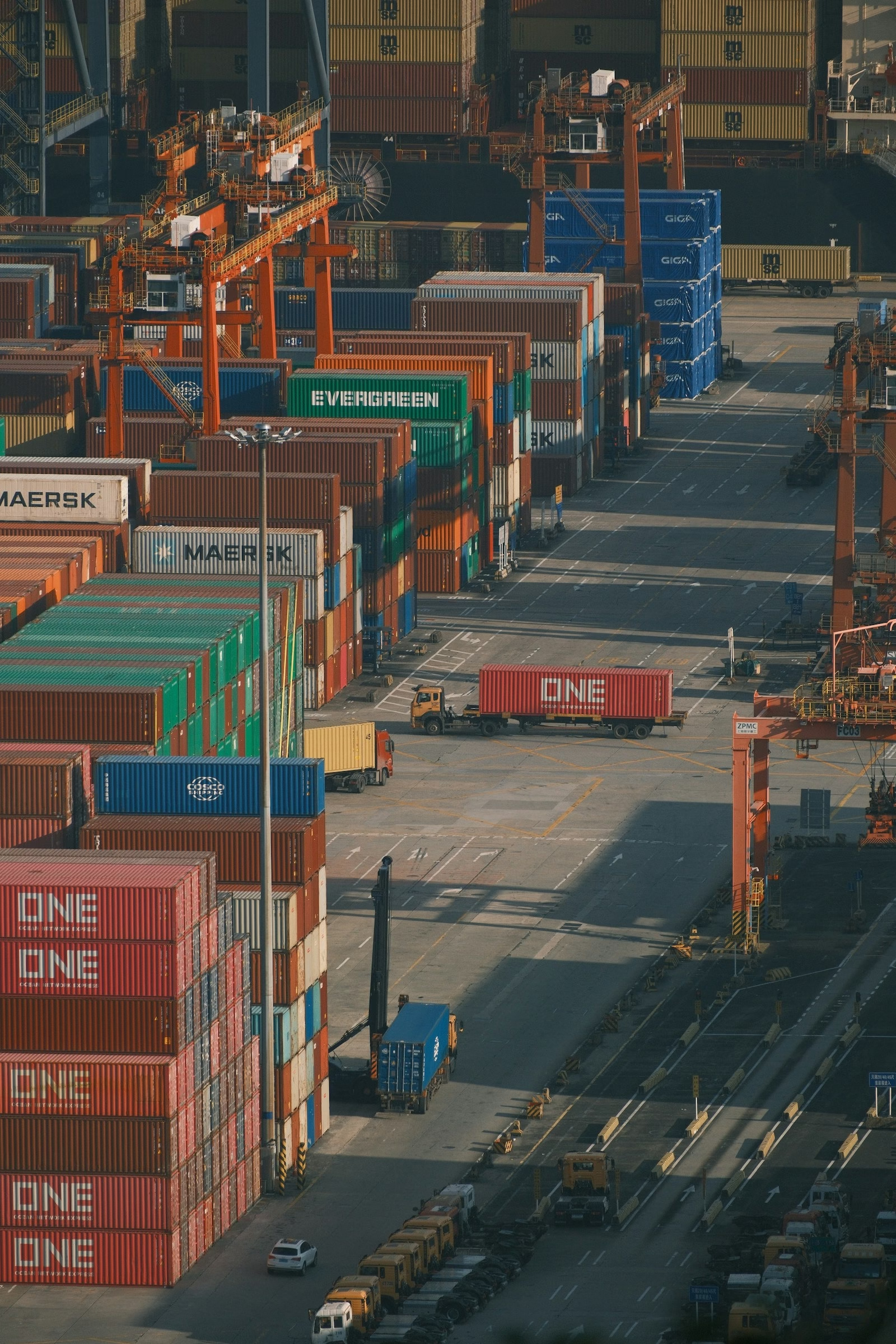
In his prepared remarks, Bessent described a new set of working channels between the two governments. The most concrete item for consumers and businesses is a "Board of Trade," which he said has agreed to identify lower or more favorable China tariffs on $30 billion worth of goods flowing each way. According to the Treasury Department's published text, Bessent said, "Under the Board of Trade, we reached consensus to identify more favorable tariff treatment for $30 billion of non-sensitive goods in each direction."
The remarks did not include a list of products or new tariff rates. Reuters and The Hill reported that the $30 billion framework traces back to agreements reached around Xi's visit to the White House in September, while India's ANI news agency described it as a consensus reached under the new Board of Trade. Either way, the specific goods and the size of any cuts on China tariffs have not yet been made public.
Farm purchases and a new working group
Bessent said the Board of Trade also launched a working group on agricultural trade barriers. He noted that China had previously agreed to buy at least 25 million metric tons of U.S. soybeans and 10 million metric tons of U.S. coal over the next two years, according to ANI's account of the published remarks. Farm exports have been one of the areas most exposed to retaliatory China tariffs in past trade disputes, which is why the purchase pledges draw close attention in farm states.
A separate Board of Investment
Bessent also pointed to a "Board of Investment." He said that body is meant to address market access for American companies operating in China and to give Chinese firms more predictability. He did not announce specific investment rules or new China tariffs in the speech.
"De-Risk, Not Decouple": The Administration's China Tariffs Strategy
The central message of the speech was that the administration wants to reduce economic risks tied to China without cutting off trade. Bessent said the U.S. objective is to "de-risk, not to decouple." He said the trade imbalance between the two countries has long been a source of friction and that the administration intends to pursue what he called a fair and reciprocal relationship.
As reported by The Hill, Bessent framed the issue this way: the U.S. "must produce more of what we consume, while China must consume more of what it produces." The Hill also cited Census Bureau data showing the U.S. trade deficit with China fell to a 20-year low last year, with American firms importing $202.7 billion more from China than China bought from the United States.
Bessent also acknowledged lasting tensions. In remarks reported by Reuters, he said the two countries "should harbor no illusions about the differences" between them, while adding that he wanted to build a constructive relationship based on balance and reciprocity.
Artificial intelligence on the agenda
Trade was not the only topic. Reuters reported that the upcoming meeting is expected to advance a new bilateral dialogue on so-called superintelligence. The two governments also agreed to set up a direct channel to alert each other to serious AI incidents, an idea first agreed during the September White House meeting, according to Reuters.
The Trump-Xi Meeting in Shenzhen and the Truce Deadline
Reuters reported that Bessent will travel to China next week for Trump's third meeting with Xi this year. The talks are set for Shenzhen on the sidelines of the Asia-Pacific Economic Cooperation (APEC) leaders' summit on November 18 and 19. Trump said on Sunday in Florida that he expects to meet both Xi and Russian President Vladimir Putin at APEC, according to The Hill. Reuters added that a fourth Trump-Xi meeting is expected in December at the Group of 20 summit hosted by the United States in Miami.
The timing matters because of the trade truce. Before the September summit, officials from both countries agreed to extend their truce on China tariffs until January 10, 2027, The Hill reported. That earlier arrangement lowered U.S. tariffs on Chinese exports, while China suspended export controls on rare-earth minerals, which are used in electronics, cars and defense equipment. With about two months left, the two sides must either extend the truce again or reach a broader agreement.
How Each Side Responded
The administration presented the Board of Trade and Board of Investment as tools to manage competition while keeping trade open. Chinese officials, for their part, have stressed limits. China's envoy Xie Feng, who also addressed the U.S.-China gathering, pointed to Beijing's "red lines," the South China Morning Post reported in its coverage of the event. Beijing has used that phrase in past talks to refer to issues it considers non-negotiable.
In the reports reviewed for this article, no formal statements from congressional Democrats or Republicans on the $30 billion framework had been published by Wednesday evening. Meridian Pioneer will update this story if lawmakers from either party respond once details on the covered China tariffs are released.
What the China Tariffs News Means for You
For most households, nothing changes on store shelves today. No new rates for China tariffs have been published, and any reductions would apply only to goods the two governments label as non-sensitive. Still, there are a few practical points to keep in mind.
Prices on imported goods
Tariffs are paid by importers, and part of that cost is often passed to shoppers. If lower China tariffs eventually apply to everyday consumer products, prices on those items could ease over time. Our analysis: $30 billion is a small share of total two-way trade, so any effect on overall prices would likely be limited. Inflation is already a concern, as covered in our report on rising odds of a Fed rate hike.
Big-ticket purchases
If you are planning to buy electronics, appliances or a vehicle, trade policy can affect both prices and supply. Rare-earth minerals are a key input for electric motors and electronics. Our guide on tariffs, prices and financing for hybrid cars explains how trade costs can show up in vehicle prices. Avoid rushing a large purchase based on headlines alone, since the details of any tariff change are still unknown.
Farmers and small businesses
Farmers who grow soybeans may benefit if China follows through on its purchase pledges, though actual buying depends on market prices and Chinese demand. Small businesses that import parts or finished goods from China should watch for official notices on China tariffs listing the covered products and their effective dates. Keeping a close eye on the January 10, 2027, truce date can help businesses plan inventory and pricing.
Key dates to watch
- November 18–19, 2026: APEC summit in Shenzhen, where Trump and Xi are expected to meet.
- December 2026: G20 summit in Miami, where a fourth meeting is expected.
- January 10, 2027: The current truce on China tariffs expires unless extended.
The Bottom Line
Bessent's speech outlined a framework for adjusting China tariffs on $30 billion of goods each way, along with new trade and investment channels and AI talks. The product lists, tariff levels and timing have not been released. The Shenzhen meeting and the January deadline will show whether the framework turns into concrete changes that affect American consumers, farmers and businesses.
This article is for information only and is not financial advice.
Sources: U.S. Department of the Treasury (remarks published November 11, 2026); Reuters, via Yahoo News (November 10, 2026); The Hill (November 11, 2026); ANI (November 11, 2026); South China Morning Post (November 2026).