Published November 19, 2026 · By
A half-point rate hike is now part of the Federal Reserve's public debate after minutes released Wednesday showed that almost all policymakers expect to raise interest rates again in the coming months, and that a couple of them said a bigger move could be considered in December. The minutes, from the Oct. 27-28 meeting, landed hours after Fed Governor Christopher Waller said on CNBC that the central bank may need to "shock people" to break the hold of 3% inflation.
Here is what the minutes say about a possible half-point rate hike, what Waller and other officials have argued, how markets reacted on Thursday and what a faster pace of hikes could mean for your loans, savings and budget.
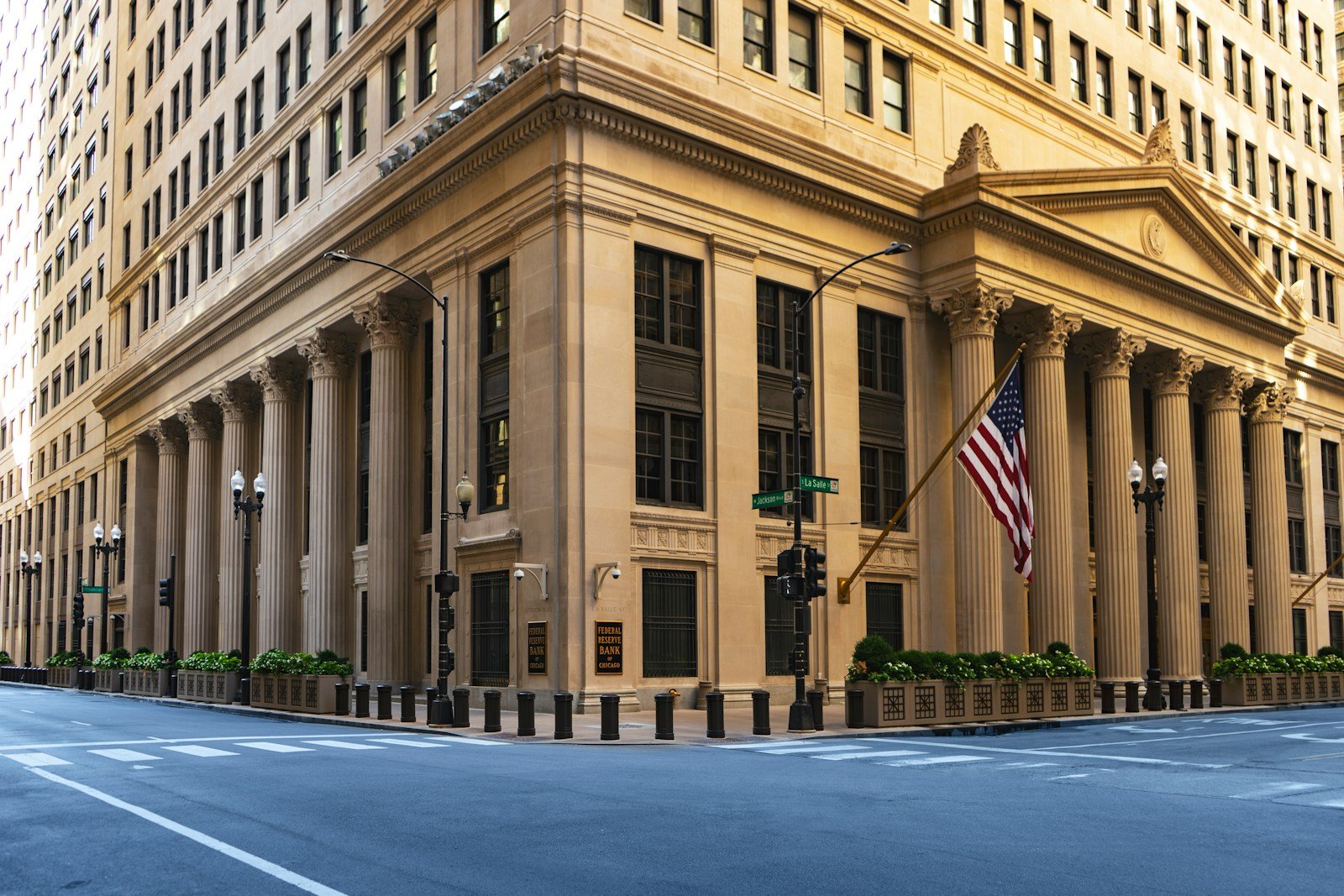
What the Fed Minutes Say About a Half-Point Rate Hike
At its October meeting, the Federal Open Market Committee, led by Chair Kevin Warsh, kept the federal funds rate in a range of 3.75% to 4%. The vote was 10-2. Governor Lisa Cook and Cleveland Fed President Beth Hammack dissented because they preferred an immediate quarter-point increase. The hold followed a quarter-point hike in September, the Fed's first increase in more than three years.
The official minutes on federalreserve.gov state that "almost all participants" judged that further rate increases would likely be appropriate under their baseline outlook. Some officials wanted to raise rates in October, and a few of those who backed the hold called it a close call.
The passage that drew the most attention concerns the size of the next step. According to the minutes, a couple of participants said an increase of more than 25 basis points could warrant consideration in December if incoming inflation data were unfavorable. The document does not name them. Officials did not say how likely a half-point rate hike is, only that it could be weighed.
Inflation and energy prices
Fed staff estimated that total PCE inflation, the Fed's preferred gauge, rose to 3.6% in the 12 months through September, with core PCE at 3.1%. Both readings were higher than a year earlier. The minutes say most participants saw price pressures as broad-based, and the vast majority said high energy prices continued to add to inflation. Several officials said the effects of earlier tariffs on prices appeared to be fading.
AI spending as a new risk
Artificial intelligence was a major theme. The minutes say many participants viewed the AI buildout as "a material source of inflation risk," as demand for data-center equipment strained supplies. Almost all officials also discussed what could happen to financial stability if returns on AI investment disappointed, noting that AI-related debt had grown quickly, often through complex and opaque financing structures.
The job market
Officials described the labor market as stable and close to maximum employment, with risks on both sides broadly balanced. Some noted that hiring and job-switching remained unusually low. Since that meeting, weekly data have shown some softening; continuing jobless claims rose sharply in the latest report, as Meridian Pioneer reported Thursday.
Waller Makes the Case for a Half-Point Rate Hike
Waller, who voted to hold rates in October, went further in a live CNBC interview on Wednesday morning. According to Reuters, he said recent inflation has been running above 3% on an annualized basis, may be accelerating and is spreading into services beyond the effect of oil prices. He said recent data had crossed the threshold he had set for supporting a half-point rate hike at the Dec. 8-9 meeting, or else a clear signal of faster increases in 2027.
Waller said his concern is that businesses have come to treat roughly 3% price increases as normal and pass them on to customers. He argued that a half-point rate hike could serve as the kind of strong signal needed to change that mindset and said the central bank cannot spend the next two years working on it, Reuters reported.
He also offered an alternative. If the committee raises rates by a quarter point in December, he said, it should clearly signal another increase in January; if it will not give that signal, he said the Fed should move by half a point. Reuters noted that Warsh has preferred to avoid forward guidance. Waller said the chair has his own approach to communication and that this was fine.
Other Fed Officials Urge a Gradual Pace
Not every policymaker agrees on speed. New York Fed President John Williams, the Fed's vice chair, said Tuesday that the situation does not call for dramatic action and that he saw no need to consider a move larger than a quarter point, according to Reuters and Breitbart News. Hammack, who dissented in favor of a hike in October, has said she prefers steady, incremental increases while not ruling out larger ones if needed.
St. Louis Fed President Alberto Musalem said in a Tuesday speech that as many as four hikes could be needed by spring 2027, Reuters reported. Dallas Fed President Lorie Logan has also backed a more gradual approach. The split is mainly about pace, including whether a half-point rate hike is needed, not direction: the minutes show broad agreement that rates are likely to rise further.
How Markets Reacted
Futures tracked by CME Group's FedWatch tool fully price a quarter-point increase in December, with lower odds of a half-point rate hike, according to reports on the minutes. Saxo Bank said markets were pricing about three more increases, which would take the policy rate to 4.50% to 4.75% by June 2027.
On Thursday, gold touched a 15-month low in Asian trading, which Saxo linked to the hawkish minutes and Waller's comments. The 10-year Treasury yield hovered near 5.05%, and Yahoo Finance data showed the Dow down nearly 800 points in early-afternoon trading amid a broad sell-off in technology and health care shares. Analysts cited several drivers for the stock decline, including the AI trade, so rates were only one factor.
What a Half-Point Rate Hike Would Mean for You
No decision on a half-point rate hike has been made, and the Fed will see more inflation and jobs data before Dec. 9. Still, the debate offers useful signals for household planning. The points below are our own analysis based on how Fed moves usually feed through to consumers.
Credit cards and variable-rate loans
Credit card rates and home equity lines of credit are typically tied to the prime rate, which moves with the federal funds rate. A half-point rate hike would likely raise those rates by about half a percentage point within one or two billing cycles; a quarter-point move would add about half as much. Paying down variable-rate balances now limits the impact of either outcome.
Mortgages and home buying
Fixed mortgage rates follow longer-term Treasury yields more than the Fed's rate, but expectations of a faster tightening path can push those yields higher. The 30-year mortgage rate recently reached 7.50% in one daily index as the 10-year yield climbed above 5%. Buyers who are close to a deal may want to ask lenders about rate-lock terms.
Savings accounts and CDs
Savers stand to benefit from a half-point rate hike or a smaller move. High-yield savings accounts and money market funds tend to raise their payouts after Fed increases. Certificates of deposit lock in a rate for a set term, so savers weighing a CD may compare current offers with what could be available after the December meeting.
Prices and your budget
The Fed's stated goal is to slow inflation, which in October still showed consumer prices rising 0.4% for the month. Higher borrowing costs can cool demand over time, but the minutes note that energy prices remain a major source of pressure. Households may want to budget for elevated costs for fuel, heating and borrowing into early 2027.
Key Dates Ahead
- Remaining November and early December releases on inflation and jobs, which, according to the minutes, could affect whether a bigger December move is considered.
- Dec. 8-9: the next FOMC meeting, with the rate decision on Dec. 9.
- Three weeks after the December meeting: minutes that will show how the debate over a half-point rate hike played out.
Whether the Fed chooses a quarter point or a half-point rate hike, the minutes and recent remarks point to the same direction for borrowing costs in the months ahead. For background on the October meeting and the earlier schedule, see our preview of the Fed minutes.
This article is for information only and is not financial advice.
Sources: Federal Reserve, Minutes of the FOMC meeting of Oct. 27-28, 2026 (federalreserve.gov); Reuters (Howard Schneider), Nov. 18, 2026; Bloomberg; StockAnalysis.com; Breitbart News; Saxo Bank Market Quick Take, Nov. 19, 2026; Yahoo Finance live coverage, Nov. 19, 2026.