Published November 23, 2026 · By
Iran strikes could resume after the new year if Washington and Tehran fail to reach an agreement, President Donald Trump said Sunday in exclusive comments to Fox News. He described Iranian negotiators as "professional tap dancers," said Iranian officials have grown more aggressive since the U.S. midterm elections and warned that any vessel trying to run the U.S. naval blockade of Iranian ports would be sunk.
The remarks come as talks appear stalled, the blockade enters its fifth month and millions of Americans prepare to drive for Thanksgiving. Here is what was said about possible Iran strikes, how each side responded and what it could mean for your budget.
What Trump Said About Iran Strikes on Sunday
According to Fox News, the president said he is inclined to order new Iran strikes after the new year if the two countries do not reach a deal. "They're more aggressive now than before the election," Trump said, adding that Iranian officials talk constantly without producing results.
Fox News reported that Trump also predicted that tit-for-tat attacks would continue and dismissed the current negotiations as meaningless. Asked about Iranian forces possibly testing the blockade, he said he hoped they would try, suggesting their ships would end up on the sea floor. Iran International, which also reported the comments, summarized his warning as a pledge that blockade runners "would be sunk."
The Sunday comments build on remarks earlier in the week. In a Saturday phone interview with Fox News, Trump said he wanted a deal that would be permanent and would permanently prevent Iran from acquiring nuclear weapons. On Thursday, he told an Israeli television network that he was not rushing an agreement and could wait until next year to decide his next step, according to The Daily Beast. Our earlier coverage of Trump's decision to delay a key Iran call until the new year has more background.
Iran strikes paused at allies' request
Trump has said several times that the United States has already "won" the war. Earlier this month he described the conflict as effectively over and said Washington was keeping the "status quo" at the request of Persian Gulf partners, The Daily Beast reported. Iran International reported that Trump has said he could end the war immediately, but that Saudi Arabia asked him to leave the situation as it is for a while.
Background: The War and the Iran Strikes So Far
The conflict began on Feb. 28 and is now about nine months old, according to The Daily Beast, which reported that at least 23 U.S. service members have died. The administration has said military action was necessary to keep Iran from obtaining a nuclear weapon, and it says earlier Iran strikes on nuclear facilities "obliterated" Tehran's capabilities.
The Daily Beast also reported that the war has been unpopular with voters and has divided Republicans, and that it was one factor in the party's midterm losses. Trump has repeatedly described the war as a U.S. victory.
The blockade by the numbers
Iran International, citing U.S. Central Command, maritime authorities and the data firm Kpler, reported these figures:
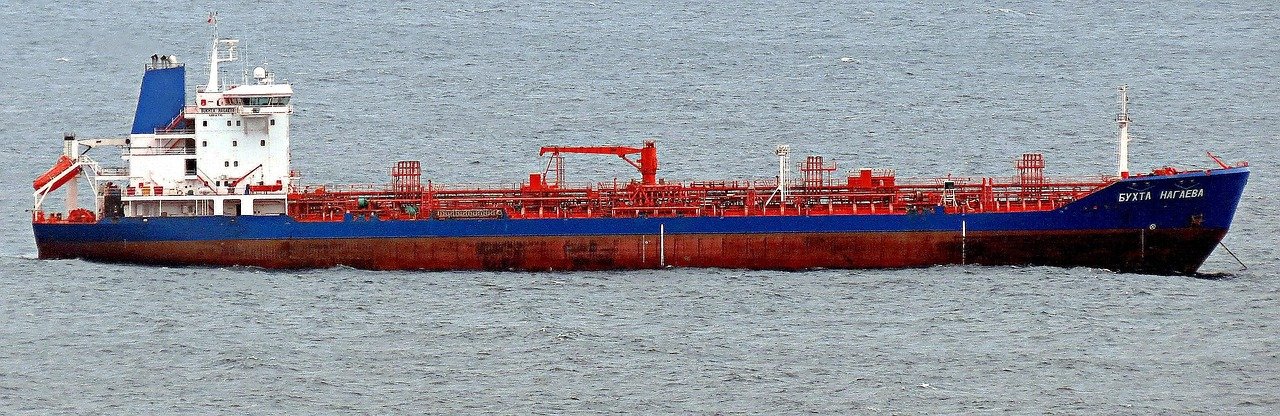
- The U.S. blockade of Iranian ports has lasted more than four months, with two aircraft carrier strike groups in the region.
- On Nov. 18, CENTCOM widened the blockade to cover ship-to-ship transfers at sea.
- CENTCOM says it has redirected 150 merchant vessels and disabled five since June.
- British maritime authorities recorded at least 19 strikes on vessels through Nov. 18, the highest monthly total since the war began.
- Kpler says Iran has loaded no crude for export since September and that output has fallen to about 1.8 million barrels per day, roughly half its prewar level.
Kpler estimates Tehran could lose $3 billion to $6 billion a month once payments from Chinese buyers stop, according to Iran International.
How Iran Has Responded
Iranian officials have taken a firm public line on the blockade and the threat of Iran strikes in recent days. Deputy Foreign Minister Kazem Gharibabadi called the blockade "an act of war" and said Tehran would take the steps needed to break it, Iran International reported. He also said Iran remains in contact with mediators and that its enriched nuclear material will not leave the country under any circumstances.
An Iranian army spokesman, Mohammad Akraminia, said the country's forces are stronger than before and that any new attack would face an immediate response. Foreign Minister Abbas Araghchi said reopening the Strait of Hormuz would not be difficult if Washington accepted Tehran's conditions, including acknowledging past mistakes and honoring earlier commitments.
Some hard-line voices in Iran, including media linked to the Revolutionary Guards, have promoted a tanker convoy to challenge the blockade. Iran International reported that the government has not formally endorsed the plan. A Qatari delegation visited Tehran on Friday, and Iranian officials say they remain open to diplomacy.
Reaction in Washington
Democrats, who will control the House and Senate in January, have pushed for a faster end to the conflict rather than more Iran strikes. Sen. Chris Van Hollen of Maryland, who is challenging Chuck Schumer to lead Senate Democrats, said Nov. 12 on MS NOW that Democrats should consider using the Dec. 11 government funding deadline as leverage. "Not a penny, not a penny to fuel this war," he said, according to Fox News.
Republican strategist Liz Mair told Fox News that tying the war to a shutdown fight could be an effective strategy, while questioning whether Van Hollen could carry it out. The White House did not respond to Fox News' request for comment on Van Hollen's remarks at the time.
What comes next
Congress is on a holiday break in the middle of its lame-duck session and must fund the government by Dec. 11 to avoid a shutdown. Trump has not set a specific date for any decision. His comments point to the period after Jan. 1 as the window when he would weigh new Iran strikes if no agreement is reached.
What Iran Strikes Could Mean for You
For most households, the clearest link between Iran strikes and daily life is the price of fuel. Gas prices have been falling. AAA reported a national average of $3.72 a gallon on Nov. 19, down 18 cents in a week, and its site showed $3.64 on Nov. 22. A month earlier, the average was about $4.30, and a year earlier it was about $3.09.
AAA said the average could fall another 15 cents by Thanksgiving, which would keep it below the holiday record of $3.58 set in 2022. The group expects nearly 73 million people to travel by car for the holiday. It attributed the recent decline to lower crude prices, with U.S. benchmark oil settling at $83.26 a barrel on Wednesday. See our report on gas prices hitting an eight-month low for earlier figures.
Practical steps to consider
- Watch fuel prices before trips. Prices can move quickly when talk of Iran strikes rises. Weekly U.S. data are available from the U.S. Energy Information Administration.
- Build a small cushion. If you budget tightly for gas or heating, setting aside a modest buffer for January can help absorb a price swing.
- Follow the Dec. 11 deadline. A funding lapse could affect some federal services, so it is worth tracking if you rely on them.
- Avoid knee-jerk investment moves. Headlines about possible Iran strikes can move energy stocks and oil prices in the short term, but they rarely justify sudden changes to a long-term plan.
Our analysis
This is Meridian Pioneer's analysis, not a statement from any of the parties: the current drop in pump prices reflects crude trading in the low $80s, and the AAA figures do not cite Iran as a factor. Whether new Iran strikes would change that depends on how oil markets react, which no one can know in advance. For now, the two sides' public positions remain far apart, and no agreement has been announced.
This article is for information only and is not financial advice.
Sources: Fox News; Iran International; The Daily Beast; AAA; U.S. Energy Information Administration.