Published November 13, 2026 · By
Oil prices jumped more than 3% on Thursday, November 12, as Yemen's Houthi movement claimed attacks on Saudi energy sites and Iran's military said tankers were hit near the Strait of Hormuz. Brent crude, the global benchmark, settled at $95.82 a barrel, up $3.06, or 3.3%, according to Reuters. U.S. benchmark West Texas Intermediate (WTI) settled at $88.74, up $2.21, or 2.6%. The rebound came hours after President Donald Trump wrote that the United States did not need a deal with Iran.
Below is what happened, what each side said, how the latest supply data looks and what the move in crude could mean for gasoline, diesel and household budgets.
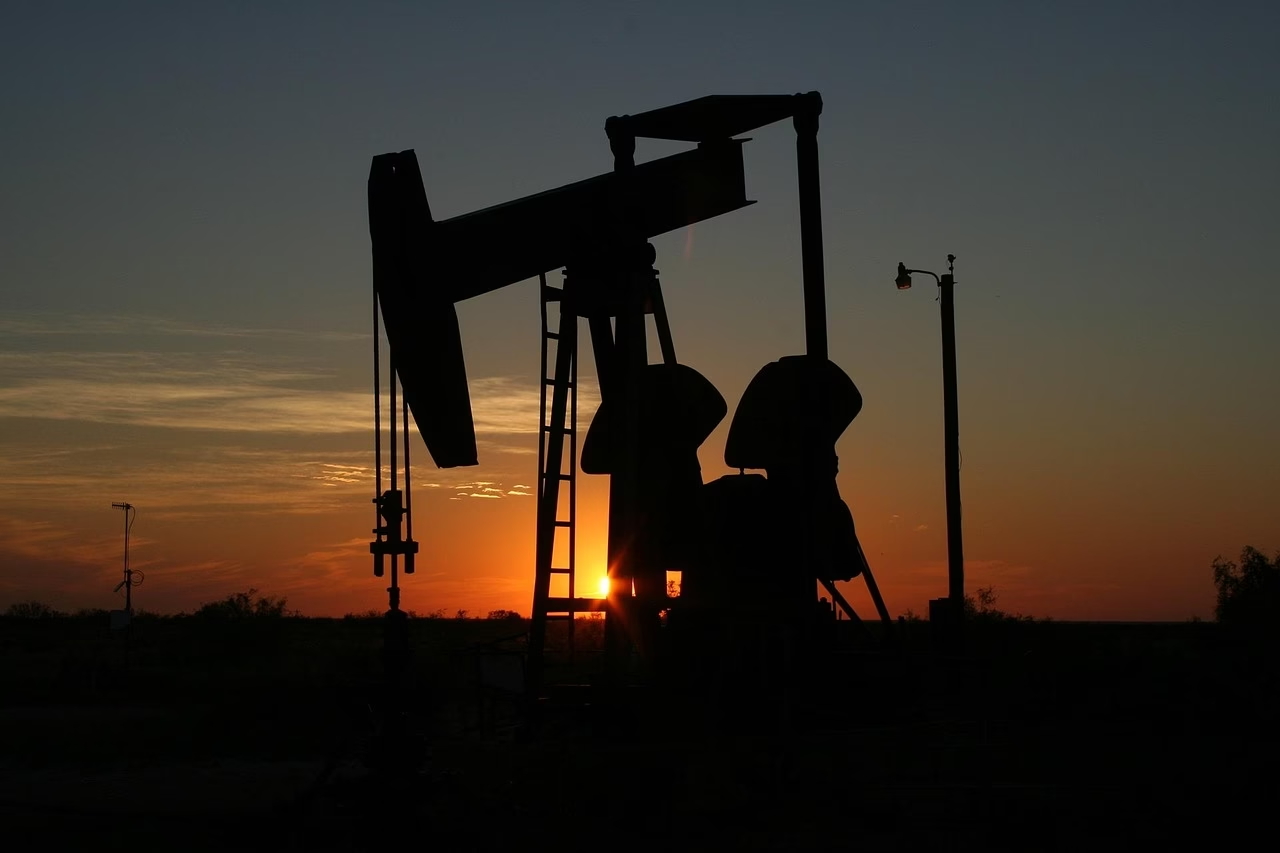
Oil Prices Reverse an Early Slide
Thursday's session started in the opposite direction. Oil prices fell about $1 in early Asian trading, and at one point Brent traded near $91.29, according to Reuters figures cited by several market outlets. Oil prices then turned higher as a series of reports from the Middle East reached traders.
Despite the late rally, both benchmarks were still on track to end the week about 2.5% lower. Brent had settled at $98.32 the previous Friday. Market data compiled by Trading Economics also showed Brent was still more than 20% below its October peak, a reminder of how far oil prices had fallen before this week's swings.
In early Friday trading in Asia, Brent was little changed at about $95.41 at 02:42 GMT, according to Reuters data cited by FinanceFeeds, while WTI hovered near $88.30.
What Pushed Oil Prices Higher
Houthi claims against Saudi energy sites
The Houthis, an Iran-aligned group in Yemen, said they struck a pumping station on Saudi Arabia's East-West pipeline, an oil facility in the Red Sea port of Yanbu and an Aramco building in Riyadh. Houthi military spokesman Yahya Saree described a drone strike on a pumping station and a ballistic missile strike on the Yanbu facility. Damage could not be independently verified.
The Saudi-led coalition fighting the Houthis said it intercepted and destroyed two drones, one near Riyadh and one in the Eastern Province. Saudi Arabia did not immediately respond to a Reuters request for comment. Earlier this month, the Saudi energy ministry said an Aramco building in Riyadh was damaged by falling shrapnel on November 8 with no casualties, and that a limited fire on the pipeline on November 9 was quickly put out.
The East-West pipeline matters because it lets Saudi crude reach the Red Sea without passing through Hormuz. International Energy Agency data cited by market reports showed about 5.6 million barrels per day moved through that bypass route in September.
Tanker incidents near the Strait of Hormuz
Iran's military said four oil tankers were hit by explosions in the Strait of Hormuz after ignoring warnings, Reuters reported, adding that it could not verify the claim. Other accounts, attributed to Iran's Revolutionary Guards navy, described two supertankers disabled by mines. Before the U.S.-Israeli conflict with Iran, the strait carried nearly one-fifth of the world's crude oil, which is why reports from the area tend to move oil prices quickly.
Trump's post on Iran
In a Truth Social post on Thursday, President Trump said Washington did not need a deal with Iran, writing that "we've got their Strait." A White House official said the United States remained in a strong position, pointing to the naval blockade and sanctions, according to news summaries. Secretary of State Marco Rubio had said earlier in the week that major combat operations may not be needed if sanctions and the blockade keep working, according to market reports.
Iranian officials have taken a different position. Mohsen Rezaei, a senior Iranian security official, said Tehran wants U.S. sanctions lifted and the blockade ended before the strait reopens, and he rejected removing enriched nuclear material from Iran, according to reports compiled by Trading Economics.
Ukraine and Russia
Ukraine said its drones hit the Ust-Luga port area on the Baltic Sea, causing a fire and damaging fuel tanks. At the same time, a U.S. envoy said Russian President Vladimir Putin had agreed to include European representatives in the next round of Ukraine talks.
What Analysts Said About Oil Prices
Timothy Snyder, chief economist at Matador Economics, told Reuters that tit-for-tat strikes between Russia and Ukraine and attacks on shipping by Iran's Revolutionary Guards were adding pressure to prices. He also said investors appeared to be growing tired of repeated talk about peace prospects.
Tamas Varga of oil broker PVM Associates described a market moving back and forth between tentative truces in Ukraine and the Middle East. In practice, that means headlines about talks tend to pull oil prices down, while reports of attacks push them back up, sometimes within the same trading day, as happened on Thursday.
Supply Data Points the Other Way
Not every data point supported higher oil prices. The U.S. Energy Information Administration said commercial crude inventories rose by 4.7 million barrels to 414.4 million barrels in the week ended November 6, and gasoline and distillate stocks also increased. The full figures are published in the EIA's Weekly Petroleum Status Report.
Production abroad is also rising. OPEC+ data showed October crude output increased, led by Saudi Arabia, and Trading Economics reported that Iraq raised output to a wartime record. OPEC+ kept its December targets at September levels on November 1 and is scheduled to meet again on November 29.
Separately, four industry sources told Reuters that Washington is set to extend a waiver of a U.S. shipping law, allowing some foreign-flagged ships to carry oil and other commodities between U.S. ports.
Oil Prices and the Broader Economy
Oil prices feed into inflation readings that the Federal Reserve watches closely. On Thursday, CME FedWatch data showed traders assigning about an 89% probability to a quarter-point Fed rate increase in December, according to Zacks Equity Research. The Labor Department's October Producer Price Index, a measure of wholesale inflation, was scheduled for release at 8:30 a.m. ET on Friday.
Stocks fell on Thursday as well. The S&P 500 and the Dow each lost 0.4%, while the energy sector gained 1.5%, the best performer among the 11 sectors, according to Zacks.
What It Means for You
Crude is the largest single cost in a gallon of gasoline, so sustained moves in oil prices usually show up at the pump after a lag of days to weeks. One day's rally does not by itself change retail prices, but it can slow or stop a decline.
Gasoline
The national average for regular gasoline recently fell below $4 a gallon, according to AAA. We covered that drop in our report on falling gas prices. Seasonal factors helped, including lower demand after the summer driving season. However, a CNN report on the AAA data noted headwinds, including damage to refineries abroad and planned maintenance at U.S. refineries that had postponed work earlier this year.
Diesel and heating oil
Diesel has moved differently from gasoline. In its most recent weekly survey on its gasoline and diesel fuel update page, the EIA put the U.S. average for on-highway diesel at $6.352 a gallon for the week of October 26, up 7.6 cents from the prior week and about $2.63 higher than a year earlier. Diesel costs affect freight, which can feed into grocery and retail prices. Households that heat with oil may want to review our report on winter heating costs.
Practical steps
- Compare local gas stations with a price app before filling up, since prices can vary noticeably between nearby stations.
- If you use heating oil or propane, ask your supplier about budget plans or prepay options, and compare quotes from more than one dealer.
- Build some room in your monthly budget for fuel swings while Middle East shipping risks remain unresolved.
- Watch the Friday Producer Price Index and next week's EIA inventory data, which could influence oil prices and interest-rate expectations.
Our analysis
Our analysis: the market is weighing two forces. Supply is growing, with higher U.S. inventories and rising OPEC+ output, which tends to pull oil prices down. Against that, reports of attacks on Saudi infrastructure and shipping near Hormuz add a risk premium. Which force dominates in the coming weeks will depend largely on developments that are hard to predict, including talks over Ukraine and the standoff with Iran.
This article is for information only and is not financial advice.
Sources: Reuters (via Investing.com and The Nation), U.S. Energy Information Administration, Trading Economics, FinanceFeeds, Trading and Investment News, Zacks Equity Research (via Yahoo Finance), CNN Newsource (AAA data).