Published November 21, 2026 · By
Trump judges moved through the Senate in a rare Friday session on Nov. 20, as Republicans confirmed two more of the president's judicial nominees and lined up final votes on five others before leaving town for Thanksgiving. The push comes with a hard deadline in view: Democrats take control of the Senate on Jan. 3, 2027, after their midterm gains, and Republican leaders have said filling as many open seats as possible is their top goal for the remaining weeks of the lame-duck session.
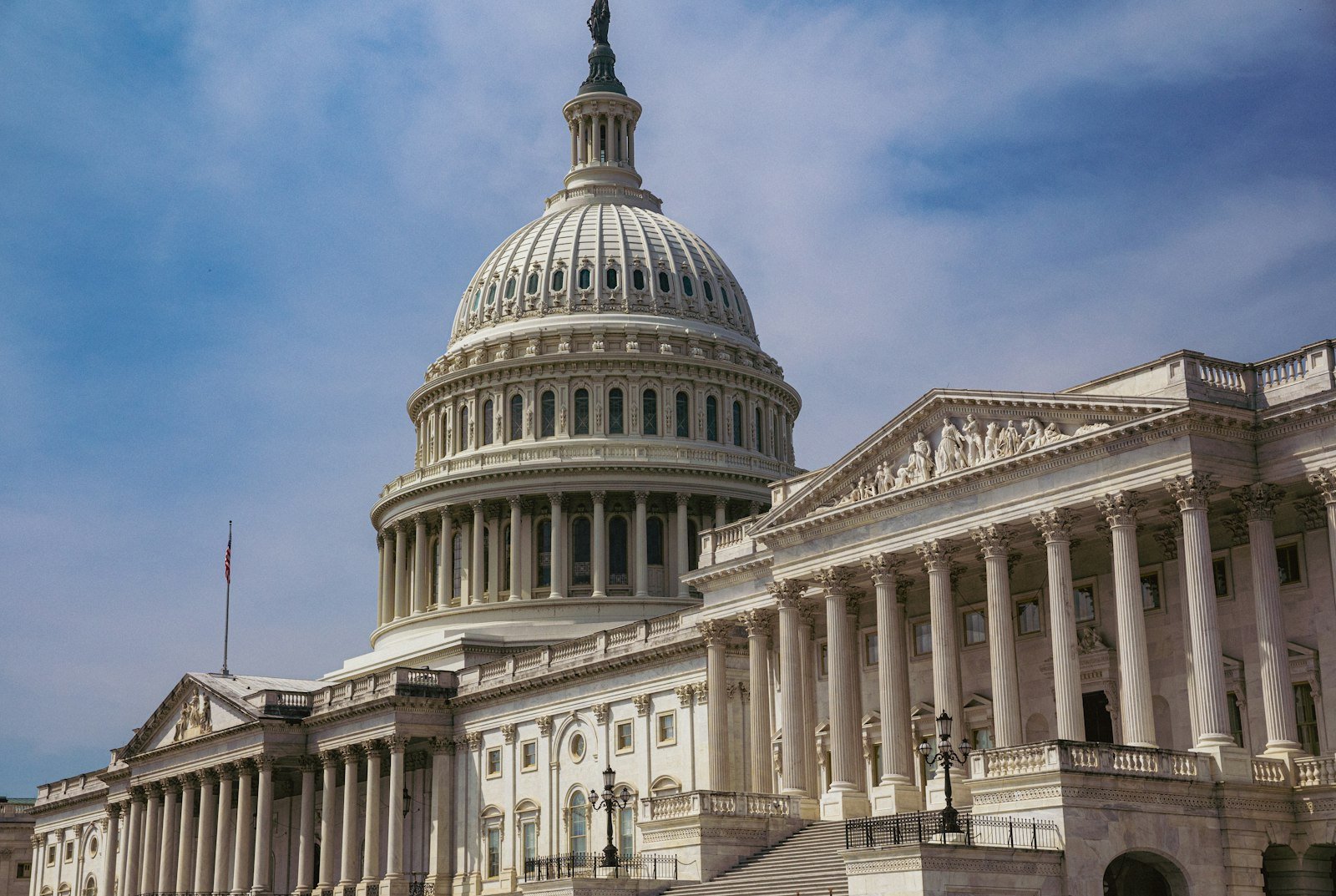
Trump Judges: What the Senate Did on Friday
The Senate does not usually hold votes on Fridays, but leaders kept members in Washington to keep Trump judges moving through the confirmation pipeline. According to The Hill and Just the News, the chamber confirmed two judicial nominees and set up final votes on five more before starting a recess that runs through Monday, Nov. 30.
One of Friday's votes confirmed Courtney Leigh Coker of Texas as a U.S. district judge for the Northern District of Texas. The official Senate roll call shows she was approved 49-41, with 10 senators not voting. All 49 votes in favor came from Republicans, and all 41 votes against came from Democrats and the two independents who caucus with them.
Among those who did not vote were Republican Sens. John Cornyn of Texas, Bill Cassidy of Louisiana, Katie Britt and Tommy Tuberville of Alabama, along with Democratic Sens. Dick Durbin of Illinois, Cory Booker of New Jersey, Chris Coons of Delaware, Amy Klobuchar of Minnesota, Chris Murphy of Connecticut and Mark Warner of Virginia.
The numbers behind the push
Senate Majority Leader John Thune's office said on Nov. 16 that a district judge confirmed on Nov. 12 was the 57th federal judge confirmed in this Congress, with more votes scheduled that week. Counts of confirmed Trump judges published since then differ slightly from outlet to outlet, but all show the total has kept rising.
The Boston Globe, citing federal court data, reported 37 federal judicial vacancies as of Nov. 18 and 19 nominees still pending. The paper also cited Ballotpedia figures showing roughly 300 judges appointed by President Trump across his two terms now serve on the federal bench, about a third of all federal judges. Earlier this month, Thune had pledged to keep senators in session into December if needed to confirm the remaining Trump judges for appeals and district courts.
The calendar ahead
According to Just the News, the Senate is expected to adjourn for the year on Dec. 18. That leaves roughly three working weeks after the Thanksgiving break to hold the five votes already scheduled and act on any other nominees the Judiciary Committee advances. The Globe noted that this batch may be the last group of Trump judges confirmed until at least 2029, since a Democratic majority will control the floor and the committee starting in January.
What Republicans Said About Trump Judges
Republican leaders have framed confirming Trump judges as a core duty of the Senate. In floor remarks on Nov. 16, Thune said the chamber was turning nominations into confirmations at the fastest pace since the Reagan administration. He also argued that Democrats had refused for much of the Congress to allow quick confirmations by voice vote or unanimous consent, forcing time-consuming recorded votes on each nominee.
Senate Majority Whip John Barrasso of Wyoming said in a Nov. 17 speech that confirming judges is the top priority of the lame-duck session, and that Republicans would "leave no vacancy behind," according to the Globe. Sen. Josh Hawley of Missouri told the paper he wants as many nominees seated as possible. A White House spokesperson told the Globe the administration expects all of the president's judicial nominees to be confirmed by year's end.
Some friction inside the GOP
Not every Republican has signed off on every pick. Cornyn, who is retiring, has withheld his "blue slip" for T. Elliot Gaiser, a Justice Department official nominated to a district court seat in Texas. The Globe reported that Cornyn said Gaiser is not from Texas, lacks trial experience and was not reviewed by a bipartisan screening panel that Cornyn and Sen. Ted Cruz set up. The paper also reported that some Republican senators, including Cornyn and Sen. Thom Tillis of North Carolina, have raised concerns about not being consulted on nominees from their states. Our earlier coverage of Trump judicial nominees and the GOP holdouts looked at those disputes in more detail.
How Democrats and Outside Groups Responded
Democrats voted as a bloc against Friday's nominee, as they have against most Trump judges this year, and have continued to deny unanimous consent, which forces Republicans to spend floor time on each confirmation. Senate Democratic Leader Chuck Schumer of New York voted no on Coker.
Durbin, the top Democrat on the Judiciary Committee, who is retiring, warned on Nov. 17 that Republicans were breaking with past practice on how quickly nominees are processed, and suggested a future Democratic chair could follow the same faster timeline, according to the Globe. Sen. Sheldon Whitehouse of Rhode Island, widely expected to lead the committee next year, called for a reset of the nominations process. Sen. Peter Welch of Vermont told the Globe that Democrats would consider qualified nominees but reject those they view as unfit.
Outside groups are also pressing on Trump judges. Demand Justice, a progressive judicial advocacy group, has run ads urging Schumer not to cut deals that would speed up more confirmations. A coalition of about 45 civil rights, labor, faith and other organizations issued a statement on Nov. 19 asking the Senate to slow down lifetime confirmations. Russell Wheeler of the Brookings Institution told the Globe that, with Democrats taking over, the effort to further reshape the courts this term is close to its end.
Why the January Deadline Matters
Federal district and appeals judges serve for life once confirmed, so the Trump judges seated now can shape rulings for decades. Under the Constitution, the president nominates and the Senate confirms. When the majority changes hands on Jan. 3, Democrats will control which nominees get hearings and floor votes, which is why both parties treat the next few weeks as a final window.
The shift in Senate control follows a midterm cycle in which Democrats flipped several seats, including the Alaska race covered in our report on Mary Peltola's victory. Senators will also have to share the December calendar with a looming government funding deadline, which could limit floor time for nominations.
What It Means for You
Most Americans never appear before a federal judge, but federal courts decide cases that touch everyday life: challenges to tariffs and trade rules, disputes over federal benefits such as Social Security disability claims, immigration cases, bankruptcy filings, consumer protection suits, environmental permits and workplace discrimination claims. District courts are where most of these cases begin, so whether Trump judges or later nominees sit on those benches can affect how quickly cases move and how laws are applied in your region.
Practical takeaways
- Court backlogs: Filling vacancies can shorten wait times for civil cases, including business disputes and benefit appeals, in districts that have been short of judges.
- Local impact: Many of the pending seats are in specific states, including Texas. If you live in a district with an open seat, the outcome of these votes decides who will hear federal cases there.
- Policy fights: Lawsuits over executive actions, from tariffs to agency rules, often start in district courts. Trump judges confirmed now may rule on those cases for years.
- Following along: The Senate posts every confirmation vote on senate.gov, and you can contact your senators' offices to share your views on any nominee.
Analysis: With five votes already scheduled and a Dec. 18 target to adjourn, the main open question is how much floor time remains for Trump judges once the Senate also takes up year-end funding and other nominations. Neither party has signaled a deal on speeding up the process.
Key Facts at a Glance
- Two Trump judges were confirmed in a Friday, Nov. 20 Senate session.
- Courtney Leigh Coker was confirmed 49-41 to the Northern District of Texas.
- Five more nominees have final votes lined up after the Thanksgiving recess, which ends Nov. 30.
- The Senate plans to adjourn for the year on Dec. 18; Democrats take the majority on Jan. 3, 2027.
- The Boston Globe reported 37 vacancies and 19 pending nominees as of Nov. 18.
This article is for information only and does not provide legal or financial advice.
Sources: U.S. Senate roll call vote 274 (senate.gov); The Hill, "Senate GOP pushes through Trump judges in preholiday sprint" (Nov. 20, 2026); The Boston Globe (Nov. 21, 2026); Just the News (Nov. 20, 2026); Office of Senate Majority Leader John Thune (Nov. 16, 2026).