Published November 20, 2026 · By
A Trump veto threat paired with an offer to make deals set the tone for how President Donald Trump plans to deal with the Democratic Congress that takes power in January. At a White House news conference on Friday, Nov. 20, Trump said Democratic leaders had reached out about health care and immigration, praised House Democratic leader Hakeem Jeffries and Senate Democratic leader Chuck Schumer, and said he would use his veto against bills he opposes.
The remarks came during a briefing of roughly 90 minutes, Trump's first formal news conference since Republicans lost both chambers in the midterm elections, according to Roll Call and CBS News.
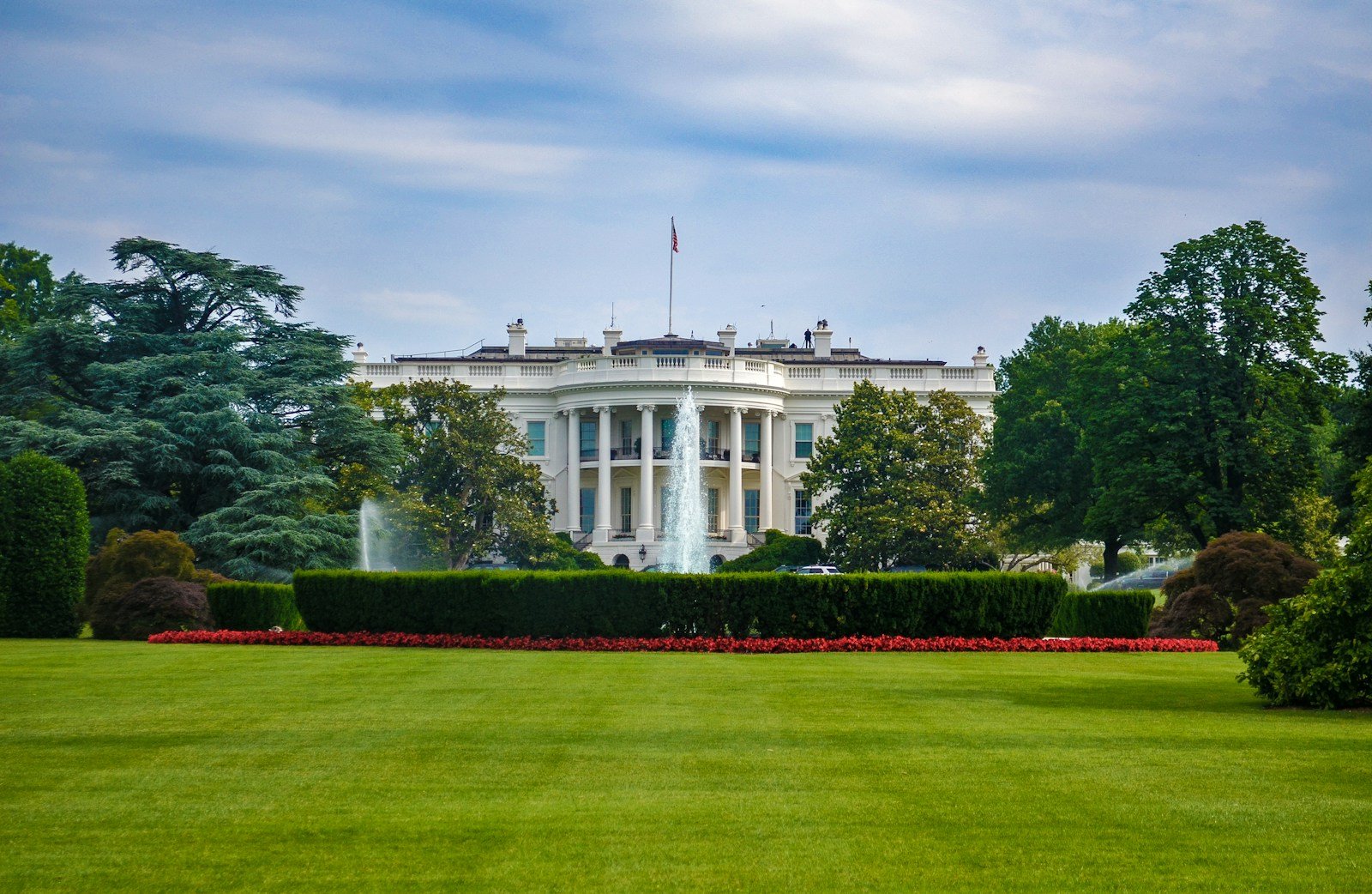
What Trump Said About the Trump Veto Threat and Deals
Trump told reporters he might be able to get more done with Democrats running Congress than he did with his own party in charge, Roll Call reported. He said Democrats had called him about "two things in particular," health care and immigration, but he did not name who had called.
On health care, Trump said a bipartisan deal could be easier than Republicans trying to push a bill through on their own using budget reconciliation, a process that lets some fiscal legislation pass the Senate with a simple majority. He said any agreement would not be everything Democrats want but could be a combination of what both sides want, according to TIME and The National News Desk.
"If they want to get things done, I want to get things done too," Trump said, as quoted by TIME.
Why the Veto Warning Matters
The Trump veto threat was direct. He described the veto as one of the strongest powers of his office. "So they're going to send things my way, and I'm going to veto them," he said, according to Roll Call. He predicted that after about a month, Democrats would see that compromise with him is more productive than passing bills he would reject. He did not say which bills he would block.
Under the Constitution, Congress can override a veto only with a two-thirds vote in both the House and the Senate. Roll Call reported that Democrats will hold at least 258 House seats and 56 Senate seats when the new Congress convenes on Jan. 3. Our analysis: those totals fall short of the 290 House votes and 67 Senate votes needed to override a veto if every member votes, so the Trump veto threat gives the White House real leverage over what becomes law.
Praise for Jeffries and Schumer
Alongside the Trump veto threat, the president offered praise. Trump called Jeffries "streetwise" and "smart," and recalled that he once gave Schumer a $500 political contribution, TIME reported. Roll Call said Trump would not say whether he had spoken with either leader. TIME noted that Jeffries said earlier this month he had not spoken with Trump since the election.
Senate Democrats will choose their next leader on Dec. 1, when Schumer faces a challenge from Sen. Chris Van Hollen of Maryland. We covered that contest in our report on the Senate leadership vote.
Health Care, Immigration and Other Possible Deals
Beyond health care, and despite the Trump veto threat, the president said an immigration agreement could protect longtime residents who entered the country illegally and have not committed crimes, while keeping deportation for people convicted of serious offenses, TIME reported.
He also endorsed two bills that already have support from both parties, according to Roll Call. One is the Senate-passed Protect College Sports Act, which would set the first federal rules for paying college athletes. The other is the Motion Picture, Television, and Entertainment Revitalization Act, which would create a federal tax credit meant to bring film and TV production back to the United States. Trump said Democratic Sen. Adam Schiff of California supports the film bill.
What Democrats Want on Health Care
Democratic priorities do not line up neatly with the bills Trump named, Roll Call noted, which could test the Trump veto threat early. On Nov. 4, Jeffries listed reversing the administration's Medicaid cuts, reviving Affordable Care Act tax credits, ending the war with Iran and lowering costs as his caucus's guiding goals.
This week, according to TIME, Jeffries said House Democrats are preparing proposals to lower the Medicare eligibility age, expand benefits and cover children. He also said the new majority would move early next year on the American Dream and Promise Act, which would offer a path to permanent residency for people brought to the country as children and for certain holders of Temporary Protected Status.
Sen. Bernie Sanders of Vermont, expected to lead the Senate health committee in January, has proposed a four-year transition toward Medicare for All. His first step would lower the Medicare eligibility age from 65 to 55, add dental, vision and hearing coverage, and guarantee coverage for children through age 18, TIME reported. Sanders said Trump has no fixed ideology and may be more open to deals than many expect. TIME noted that lowering the Medicare age would carry substantial federal costs.
How Republicans Responded
The reports reviewed for this article did not include responses from House Speaker Mike Johnson or Senate Majority Leader John Thune to the Trump veto threat or his comments on health care. Roll Call reported that some Republicans returning in the next Congress have reservations about Trump's recent meeting with Russian President Vladimir Putin and Chinese President Xi Jinping, and retiring Rep. Don Bacon of Nebraska criticized the president's approach to Putin.
Trump acknowledged that the Iran conflict hurt his party by raising prices, according to Roll Call. He also said the midterm results would have been different if he had been on the ballot. Vice President JD Vance wrote after the election that the war cost Republicans, Roll Call reported.
What the Trump Veto Threat Means for You
The Trump veto threat does not change anything today. For now, nothing changes in your health coverage, your taxes or federal benefits. The current Congress stays in office until Jan. 3, and any new law would still need to pass both chambers and get Trump's signature or survive a veto. Here is how the debate could reach your wallet.
Health Insurance and Medicaid
If you buy coverage through the Affordable Care Act marketplace, the size of your tax credit depends on federal law. Democrats say restoring enhanced credits is a top goal, and Trump says he is open to a health deal, but no plan or price tag has been released. You can compare plans and check your current savings at HealthCare.gov.
If you or your family rely on Medicaid, Jeffries has pledged to try to reverse recent cuts. Any change would depend on a deal that Trump is willing to sign, given the Trump veto threat.
Medicare and Older Workers
Proposals to lower the Medicare eligibility age could matter most to Americans in their late 50s and early 60s who buy private insurance before retirement. These plans are proposals, not law, and they face cost questions and the Trump veto threat.
Paychecks, Prices and Immigration
Like health care, immigration policy now runs through the Trump veto threat. An agreement could affect industries that depend on immigrant labor, from farming to construction, though no bill text exists yet. Our analysis: the clearest near-term signal for household budgets will be whether the two sides start formal talks after the new Congress is sworn in. You can track bills and votes at Congress.gov.
Budget fights could also return. Earlier this month, House Democrats discussed ways to pass spending plans around the Senate filibuster, as we reported in our story on Rep. Brendan Boyle's budget strategy.
Key Takeaways
- Trump said Democrats contacted him about health care and immigration deals.
- The Trump veto threat covers bills he opposes; he did not name specific measures.
- Democrats will lead both chambers starting Jan. 3 but lack the votes to override a veto on their own.
- Jeffries and Sanders want broader health coverage; cost estimates have not been released.
This article is for information only and is not financial advice.
Sources: Roll Call; TIME; The National News Desk; CBS News; HealthCare.gov; Congress.gov.