Published November 12, 2026 · By
Public land sales are back on the federal agenda. The Interior Department has released a new five-year strategic plan that calls for selling some federal land to states, tribes and local governments, with the stated aim to “decrease the size of the federal estate,” according to The Associated Press. The plan, dated Nov. 10 and reported Wednesday, quickly drew pushback from lawmakers in both parties.
The document does not list specific parcels, acreage targets or a timeline for any sale. That gap is now the center of the debate: supporters describe a leaner federal footprint, while critics say the public deserves details before any land changes hands.

Public Land Sales: What the Interior Plan Says
The Interior Department oversees more than 750,000 square miles of land, an area larger than Texas and California combined, plus vast underground mineral reserves. Much of that land sits in the West and Alaska. In Nevada, nearly 80% of the land is federally controlled; in Utah the figure is about 64% and in Idaho about 62%, according to the Deseret News.
The new strategic plan covers fiscal years 2026 through 2030 and replaces a version last updated four years ago under the Biden administration. Federal agencies publish these roadmaps under the Government Performance and Results Act, and the plan is listed on the Interior Department strategic planning page. A strategic plan sets goals but does not bind future administrations.
Who could buy federal land
Under the plan, land would be offered to state, local and tribal governments rather than on an open market, according to both AP and the Deseret News. Interior officials said selling federal property would let the government focus its money and staff on “nationally significant” lands and on core federal responsibilities.
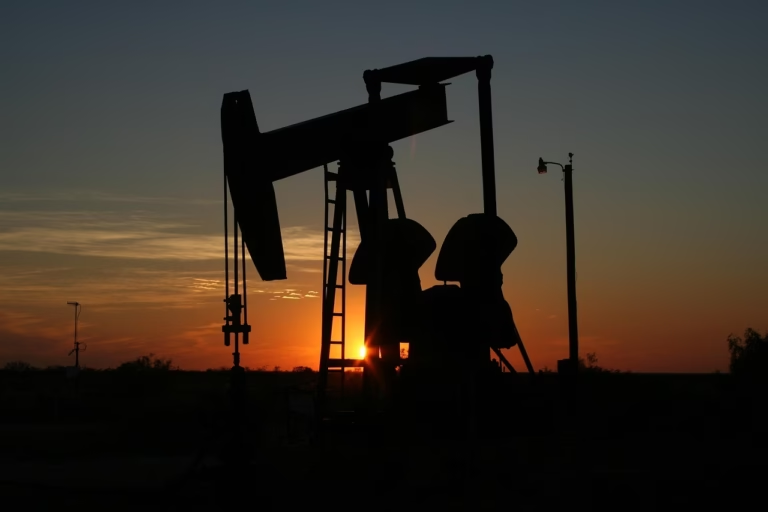
Officials also said a portion of any sale proceeds would go back to the buyer to be used for conservation elsewhere. The plan pairs public land sales with strategic land transfers and exchanges, and it calls for agreements with energy developers, mining companies, timber operators and ranchers as part of a broader push on coal, oil, gas, hydropower and geothermal energy.
What the plan leaves out
The document does not name which land could be sold, how much, or where. It also does not set a schedule. AP reported that it is unclear whether Interior Secretary Doug Burgum can carry out large public land sales without new authority from Congress, which has historically had to approve major disposals of federal property.
How Lawmakers Reacted to Public Land Sales
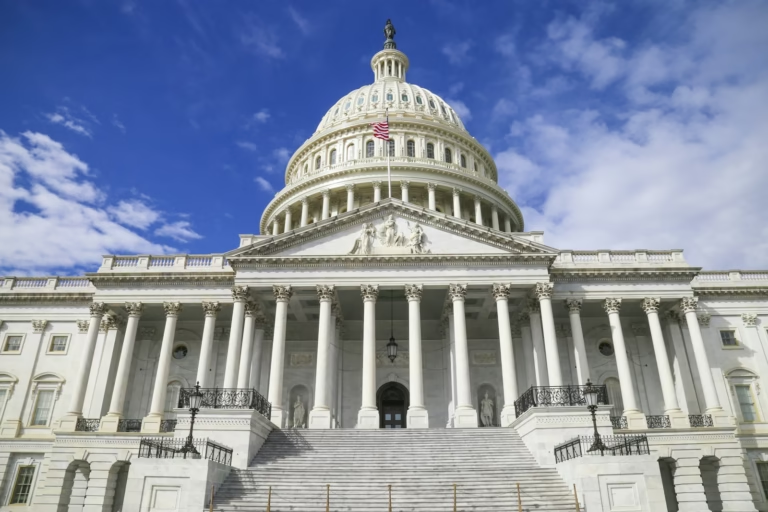
Opposition came from members of both parties. Rep. Ryan Zinke, R-Mont., who served as Interior secretary during President Donald Trump’s first term, “remains firmly opposed to the sale or transfer of public lands,” his office told AP. His office said he would vote against any such legislation before he leaves Congress at the end of his term.
Sen. Martin Heinrich of New Mexico, the top Democrat on the Senate Energy and Natural Resources Committee, pledged to fight any federal land sales or privatization. “Public lands belong in public hands,” Heinrich said, as quoted by AP and the Deseret News.
Sen. Catherine Cortez Masto, D-Nev., said she was prepared to fight the proposal and was concerned by the lack of details in the plan, the Deseret News reported. Her state has the highest share of federal land in the country, so public land sales would carry particular weight there, where federal agencies manage everything from grazing allotments to military ranges.
The administration’s case
Interior officials frame the plan as a way to cut overhead, consolidate the public lands workforce and increase recreation access for the public. In the plan, Burgum ties land management to energy policy, writing that a prosperous country needs “a reliable, affordable and secure energy foundation.” Burgum told the Deseret News that in Utah, the department is “in the business of access.” AP said it emailed Interior for further details; its report did not include a response.
Conservation groups weigh in
The Center for Western Priorities, a conservation group, said the plan goes beyond the recommendations in Project 2025 by calling for land sell-offs, according to the Deseret News. Some environmental groups argued that the conservation language masks a focus on development. Interior has not responded publicly to that criticism.
Why Public Land Sales Have Failed Before
This is not the first attempt. In 2025, some Western lawmakers pushed to sell large tracts in Utah and Nevada, arguing that the land could raise revenue and ease growth pressure in fast-growing cities. Sen. Mike Lee, R-Utah, proposed selling more than 2 million acres to states or other entities. Those efforts failed amid bipartisan opposition, AP reported.
Public land sales also arrive after months of dispute over the Grand Staircase-Escalante and Bears Ears national monuments in Utah, whose boundaries were cut through executive orders and are the subject of litigation, the Deseret News reported. The politics are shifting, too. After last week’s midterms, including the closely watched Mississippi Senate race, the makeup of the next Congress will shape whether any land-sale legislation can move.
What Public Land Sales Could Mean for You
For most Americans, nothing changes today. A strategic plan is a statement of goals, not a sale notice, and no specific parcel has been identified for public land sales. Still, the debate touches several everyday issues, especially for people in the West. The points below are our own analysis based on the reporting, not predictions.
Hunters, hikers and campers
Federal land is open to recreation under federal rules. Land transferred to a state, county or tribe would fall under that owner’s rules, which can differ on access, fees, hunting seasons and camping. If public land sales move forward and a parcel you use is proposed for transfer, the new owner’s policies are what to check.
Housing and local growth
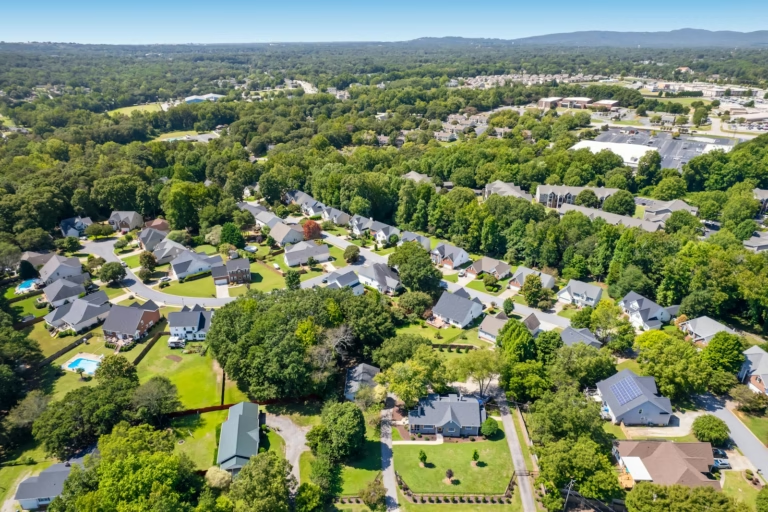
Supporters of earlier public land sales argued that releasing federal acreage near growing cities could open space for homes and infrastructure. The new plan does not mention housing, so it is too early to say whether any sale would affect local housing supply or prices.
Taxes and local budgets
In theory, public land sales to states or local governments may bring new revenue, such as leasing or development fees, but also new costs for management and wildfire response. How those trade-offs would play out depends on terms that have not been released.
How to stay informed
- Watch for formal notices from Interior or the Bureau of Land Management naming specific parcels.
- Follow your members of Congress, since major land sales have generally needed congressional approval.
- Check your state land office if you rely on nearby federal land for grazing, hunting or recreation.
- Read official updates directly on doi.gov rather than relying on social media summaries.
Federal benefit and land policy changes often move in stages, as with the recent SNAP eligibility rule proposal, so early plans can change before anything takes effect.
What Happens Next
Interior has not released a list of lands, a sale process or a timeline. Lawmakers from both parties have signaled they will challenge public land sales, and any large disposal would likely need action in Congress. Until the department publishes specifics, the plan remains a framework rather than a program. Readers who want to follow public land sales closely can track the Federal Register and the Bureau of Land Management’s state offices, where formal proposals would normally appear first.
This article is for information only and is not financial or legal advice.
Sources: The Associated Press (via KSAT), Nov. 11, 2026; Deseret News, Nov. 11, 2026; U.S. Department of the Interior, Strategic Planning (doi.gov).