
Published November 13, 2026 · By
The reconciliation bill that would add $350 billion for the military moved back to the top of the Senate agenda on Thursday, after President Donald Trump urged Republican leaders to act on it right away. Republicans hold the Senate majority only until early January, when Democrats take control of both chambers after the November 3 midterm elections. Several GOP senators have questioned the plan, and Democrats oppose it, so its path through Congress remains uncertain.
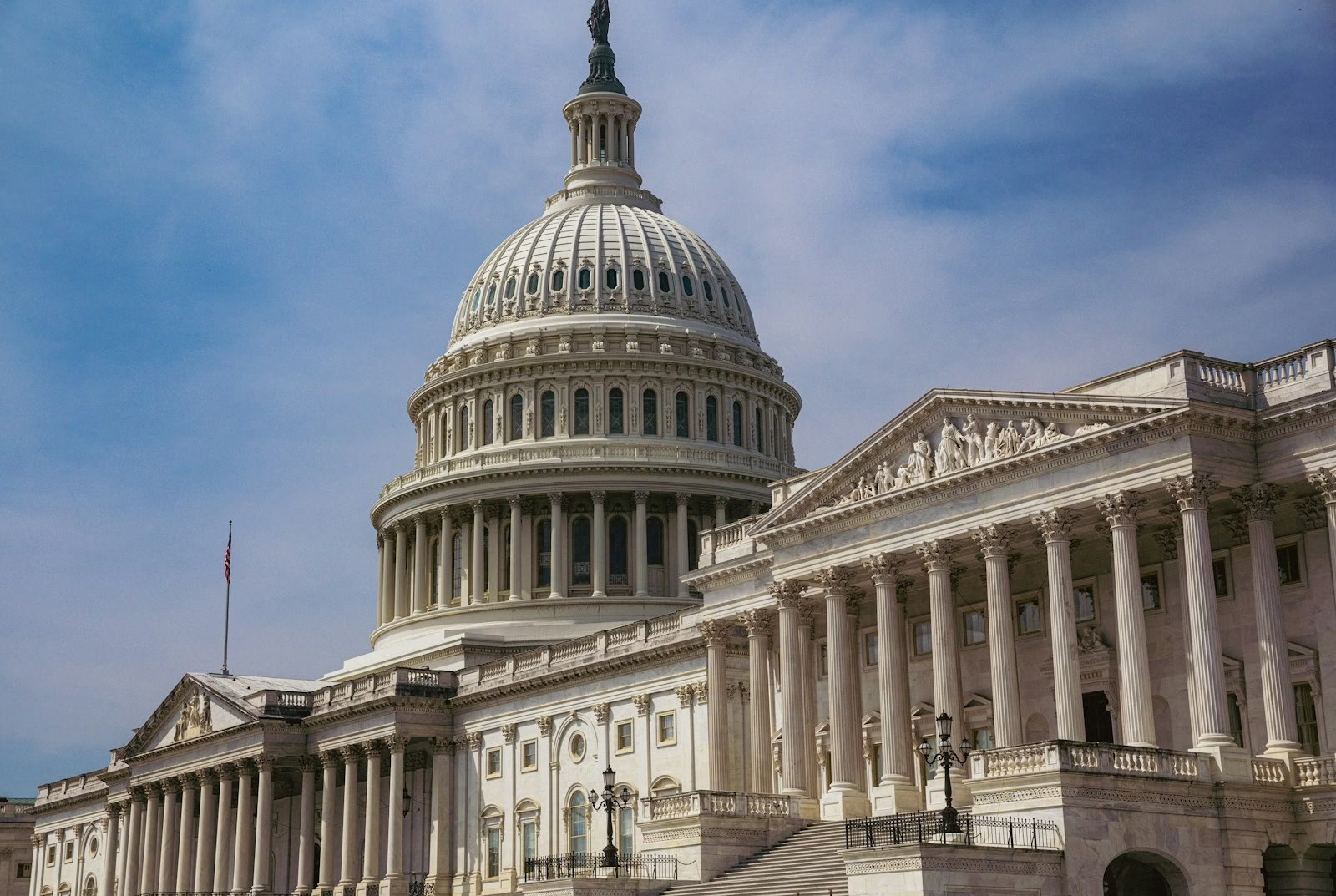
What Trump Said About the Reconciliation Bill
In a Truth Social post on Thursday, November 12, the president called on Senate leaders to "IMMEDIATELY move on the 350 Billion Dollar Reconciliation Bill," according to Newsmax. He said Republicans must deliver for service members and predicted that Democrats would try to block the effort once they hold the majority, Newsweek reported. Trump also repeated his claim that he rebuilt the military during his first term and said he is doing so again.
The post came on the same day the president gave several interviews about the midterm results. In one of them, HNGN reported, he said he was "disappointed in people" and attributed Republican losses to weak candidates and anger over the cost of living tied to higher fuel prices during the Iran war. Newsweek noted that Trump first asked Congress for the extra defense money in June.
What Is in the $350 Billion Reconciliation Bill
The proposal is one piece of a $1.5 trillion defense request for fiscal year 2027. Under the White House plan, $1.15 trillion would flow through the regular annual appropriations process, and the remaining $350 billion would move through a reconciliation bill, according to Newsweek.
Munitions, missile defense and minerals
Newsweek's account of the request lists about $47 billion to expand munitions production, $17 billion for the Golden Dome missile defense program and more than $48 billion for critical minerals. The outlet also cited a Congressional Research Service finding of "strategic inventory shortfalls" linked to Operation Epic Fury, as the military has used large amounts of munitions in the conflict with Iran.
How the size compares with domestic budgets
Newsweek reported that the $350 billion figure is more than four times the proposed 2027 Education Department budget and more than three times the proposed discretionary request for Health and Human Services. It also equals more than half of the roughly $660 billion proposed for all nondefense agencies combined. The president's 2027 budget sought a 44% increase for the military alongside about $73 billion in domestic cuts, the outlet said.
How a Reconciliation Bill Works
Reconciliation is a special budget procedure that lets the majority pass a reconciliation bill covering certain spending and tax changes with a simple majority, skipping the Senate's 60-vote filibuster threshold. The process normally starts with a budget resolution adopted by both chambers. The Congressional Budget Office estimates the cost of such measures for lawmakers.
In July, House Republicans released a framework with $60 billion for defense, about $290 billion less than the White House asked for. The House adopted a $95 billion budget resolution by two votes, according to Newsweek, but the Senate did not vote on a budget resolution before the midterms. On a party-line vote, Senate Republicans can lose no more than three members, and in the House a handful of absences could decide the outcome.
Senate Republicans Split on the Reconciliation Bill
Senate Majority Leader John Thune (R-S.D.) has pledged to make every effort to pass a budget resolution and a defense package during the lame-duck session, Newsweek reported. At the same time, Thune has questioned whether the 50 votes needed are there, according to Newsmax. Senate Republican Conference Chair Tom Cotton (R-Ark.) said the party would do "everything humanly possible" to pass it before Democrats take over.
Supporters inside the GOP
Armed Services Committee Chair Roger Wicker (R-Miss.) has said reconciliation needs to get done. Sen. John Hoeven (R-N.D.) argued that passing it could strengthen Republicans' position before the handover, Newsmax reported. Sen. Jim Banks (R-Ind.) backs the funding but said it should focus on military readiness rather than the Iran conflict. Defense Secretary Pete Hegseth said he is working with Thune and House Speaker Mike Johnson to secure the money.
Republican skeptics
Several Republicans have voiced doubts. Sen. Rand Paul (R-Ky.) called the reconciliation bill "tone-deaf" and said he would oppose it, according to both outlets. Sen. Josh Hawley (R-Mo.) said he could not see why Congress would do it. Appropriations Committee Chair Susan Collins (R-Maine) has said the Pentagon is taking a serious risk by relying on reconciliation, and Sen. John Cornyn (R-Texas) said a third package raises too many challenges. Sen. Lisa Murkowski (R-Alaska) has also raised doubts, Newsweek reported.
What Democrats Say About the Reconciliation Bill
Democrats have opposed the approach. Sen. Jack Reed (D-R.I.), the top Democrat on the Armed Services Committee, said he could not support a reconciliation bill that enables an Iran war Congress never authorized, according to Newsweek. Sen. Chris Coons (D-Del.), the senior Democrat on the defense spending subcommittee, said he doubts such a package will ever become law.
Rep. Rosa DeLauro (D-Conn.), the top Democrat on the House Appropriations Committee, criticized the overall request in June, saying it pairs the largest defense increase in U.S. history with a $13 billion cut to nondefense programs. HNGN reported that Democratic leaders have described the midterm results as a rejection of the war and of the administration's economic record.
The Lame-Duck Calendar
The reconciliation bill competes for floor time with other year-end business. Congress faces a December 11 deadline to fund the government, and Senate Republicans also want to confirm about two dozen judicial nominees, HNGN reported. You can read more about that deadline in our coverage of the government shutdown risk.
Aides in both parties increasingly expect the annual spending bills, including Pentagon funding, to slip into 2027, Newsweek reported, citing The Hill. Collins and other appropriators would like to attach emergency defense money to a stopgap measure, but it is unclear whether Democrats would agree. The new budget numbers also arrive as Treasury reported a record October budget deficit.
What It Means for You
For most households, the reconciliation bill would not change taxes or benefits directly, based on what has been reported so far. Neither Newsweek nor Newsmax described tax, health or immigration provisions in the package. Its effects would show up mainly through federal spending, borrowing and the broader budget debate.
Federal deficit and interest rates
No Congressional Budget Office cost estimate for this reconciliation bill has been reported. In general, our analysis is that new spending not offset by cuts or revenue adds to federal borrowing, which is one of many factors that can influence Treasury yields and, in turn, rates on mortgages, car loans and credit cards.
Defense jobs and local economies
If the reconciliation bill passes, money for munitions, missile defense and minerals would flow to defense contractors and suppliers. Workers and communities near those facilities could see more contracts and hiring. If it stalls, the Pentagon would depend on regular appropriations, which aides in both parties expect could slip into 2027.
Domestic programs and a possible shutdown
Critics such as DeLauro have tied larger defense budgets to cuts in nondefense programs. The separate December 11 funding deadline matters more in the short term for federal workers, contractors and people who use federal services, since a lapse could pause some operations.
What to watch next
- Whether the Senate schedules a vote on a budget resolution, the first step for the reconciliation bill, in the coming weeks.
- Whether Thune can secure 50 Republican votes, with Vice President JD Vance able to break a tie.
- How the House, with its narrow margin, handles any Senate-passed plan.
- Whether defense money ends up in a stopgap funding bill before December 11.
Republicans have only a few weeks left in the majority. Whether the reconciliation bill reaches the president's desk before January depends on whether leaders can close the gap within their own party.
This article is for information only and is not financial advice.
Sources: Newsweek, "Trump Pushes $350B Military Bill, Says Democrats Will 'Block and Resist'" (Nov. 12, 2026); Newsmax via Yahoo News, "Trump to Senate GOP: Pass Military Funding Bill" (Nov. 12, 2026); The Hill, "Trump presses Senate GOP on $350B spending bill as deadline nears" (Nov. 12, 2026); HNGN, "Trump 'Disappointed' in Voters Who Left GOP Over Iran War" (Nov. 12, 2026); Congressional Budget Office.