Published November 15, 2026 · By
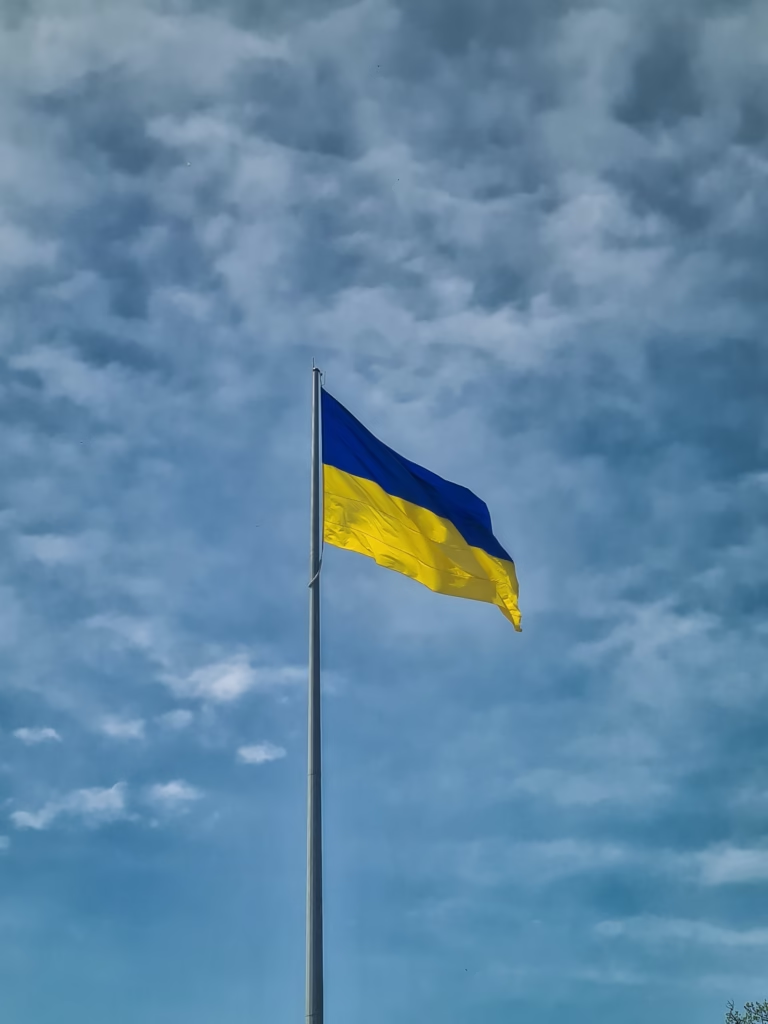
The Donbas NATO question moved to the center of Ukraine peace diplomacy this weekend after President Volodymyr Zelensky said U.S. negotiators asked whether Kyiv would pull its forces out of the eastern Donbas region in exchange for membership in the North Atlantic Treaty Organization. Zelensky described the idea in remarks to reporters that his office released Saturday, saying it was the first time NATO membership had been tied to territory in the talks. He said Ukraine is not ready to give up land in any Donbas NATO trade, but that he could put the question to voters if allies offered firm guarantees.
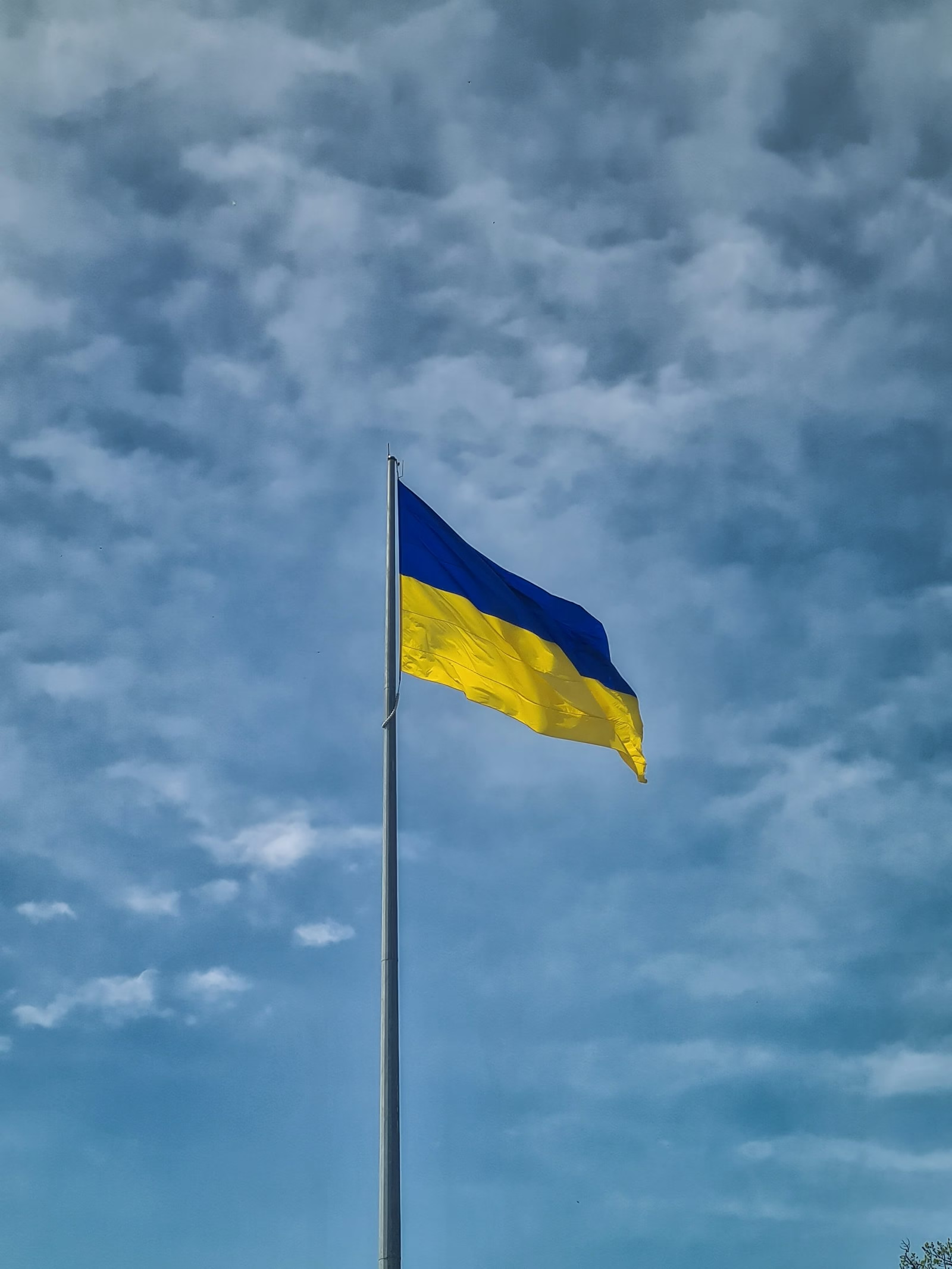
What Zelensky Said About the Donbas NATO Idea
According to Reuters, Zelensky said the American side raised the issue directly during the latest round of U.S.-brokered talks. He recounted the question this way: "The Americans raised a question: 'What if Ukraine joins NATO? Would Ukraine withdraw from Donbas?'" He added that, in his view, this put NATO membership back on the agenda, while warning that signals from Russian President Vladimir Putin made it a very difficult conversation.
Al Jazeera, citing Reuters and AP, reported that the parts of Donbas the U.S. side asked about are areas Russia does not currently control, according to Zelensky's account. Some headlines described the idea as Ukraine ceding land to Russia, while Zelensky's own words, as quoted by several outlets, referred to Ukraine withdrawing from Donbas. The details of any Donbas NATO arrangement have not been published by Washington.
The Kyiv Post reported that the U.S. delegation included special envoys Steve Witkoff and Jared Kushner, who later held consultations with Putin in Moscow after the talks in Abu Dhabi. Zelensky told reporters he had warned the American negotiators that Putin cannot be trusted.
Kyiv's conditions for any deal
Zelensky laid out several conditions for any Donbas NATO deal. He said Ukraine would never legally recognize occupied territory as Russian. He also rejected the idea of Ukrainian neutrality, noting that it would require changing the country's constitution. According to Al Jazeera, he said that if Putin expects neutrality to be written into a deal, "that's not going to happen."
At the same time, he left a door open to the Donbas NATO concept. If the United States and other NATO partners confirmed a full package, including strong security guarantees, funding for a well-equipped Ukrainian army and money for reconstruction, he said he would ask Ukrainians to decide. Reuters and Al Jazeera described this as a national referendum, while the Kyiv Post reported that he spoke of a public vote and of asking the opinion of society. He also said he had no right to make such a decision alone.
The Kyiv Post reported that the guarantees he described would need to be comparable to NATO's Article 5 mutual-defense commitment. He stressed that no concrete offer exists yet. "But specifics are needed, which do not exist yet, and all of this is under discussion," he said, according to the Kyiv Post.
Where the Donbas NATO Talks Stand Now
The Donbas NATO remarks came after U.S.-brokered talks between Ukrainian and Russian officials in Abu Dhabi that ended on Wednesday without a major breakthrough, Reuters reported. The two sides did agree on a prisoner exchange of more than 1,000 people, with final numbers still being worked out. The Kyiv Post described the Abu Dhabi meeting as the second round of trilateral talks mediated by the United States.
White House Deputy Press Secretary Anna Kelly said Friday that Witkoff and Kushner had started work on what would be the largest prisoner exchange of the war, the Kyiv Post reported. As of Saturday, none of the reports reviewed for this article included a public White House, State Department or Kremlin response to Zelensky's account of the Donbas NATO question.
Russia's position
Moscow's view matters for any Donbas NATO formula. Putin has long said that Ukrainian membership in NATO is a red line for Moscow, a point noted by Reuters and Al Jazeera. Zelensky said Russia wants a broad deal on European security before the fighting stops, which he rejected, saying the war must end first, according to Reuters.
Zelensky also said Putin wants Ukrainian troops to leave the city of Kostiantynivka so Russia can take it, and argued that a local humanitarian ceasefire suggested by Moscow reflected Russia's inability to capture the city by force. Witkoff and Kushner had pledged to raise an energy ceasefire with Putin in Moscow. Zelensky said Putin personally does not support a ceasefire and that no progress had been reported.
Europe asks for a seat at the table
European leaders meeting in Ireland agreed that Europe will be represented in future peace talks by five major military powers, Britain, France, Germany, Italy and Poland, together with EU officials, RTE reported. That team would talk with U.S. and Ukrainian officials, not with Russia. Zelensky said the U.S. negotiators told him all sides had agreed Europe should have a seat. "Real security in Europe means the EU and NATO. That's it," he said, according to RTE.
European Commission President Ursula von der Leyen said the EU will soon propose a 22nd package of sanctions against Russia and a plan to close Ukraine's financing gap for 2027, RTE reported.
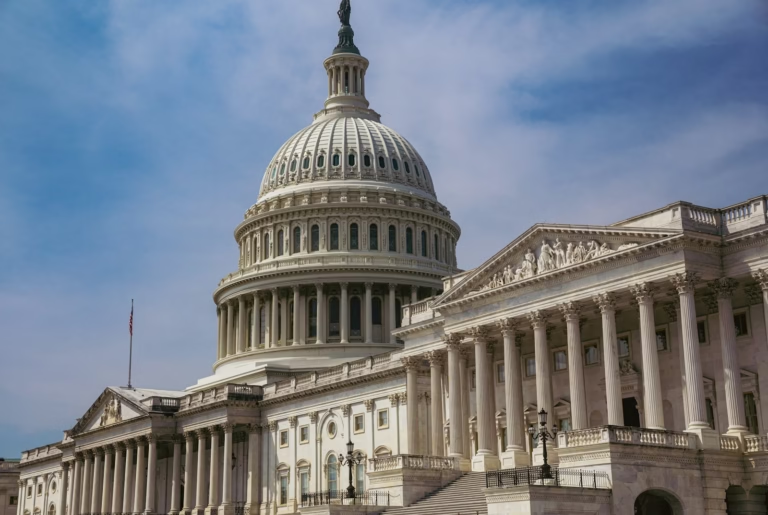
The role of Congress
Zelensky also turned to Washington's lawmakers. He said that if the U.S. Congress passed legislation on sanctions and weapons, it would be the kind of motivation Putin needs, according to RTE. Bills on Russia sanctions and aid to Ukraine can be tracked on Congress.gov. The reports reviewed did not include reactions from Republican or Democratic members of Congress to the Donbas NATO idea.
The diplomacy is unfolding in the same week the White House announced a planned meeting of President Donald Trump, Putin and Chinese President Xi Jinping. For background on that summit, see our report on the first Trump Putin Xi meeting set in China.
Why the Donbas NATO Question Matters
Analysis: Territory and security guarantees have been the two hardest issues in the talks, and the reported Donbas NATO question links them in one trade for the first time, according to Zelensky. Each side's public positions remain far apart. Kyiv refuses to recognize occupied land as Russian and rejects neutrality, while Moscow has called NATO membership for Ukraine unacceptable. Washington has not publicly confirmed or described the idea. Any agreement would also require the consent of all NATO members, since the alliance admits new countries only by unanimous decision.
Fighting continues alongside the Donbas NATO talks. Russian officials said about 1,200 Ukrainian drones were fired at Russia on Friday, with oil infrastructure among the targets, while Ukraine reported Russian attacks on a hospital and the port of Odesa, Al Jazeera reported. Zelensky said Russia is staking everything on this winter, according to RTE.
What It Means for You
For most Americans, the war in Ukraine shows up less in headlines than in prices and the federal budget. Here are the practical points to watch as the Donbas NATO discussion develops.
Energy and fuel costs
Attacks on Russian oil facilities and Black Sea ports can affect global energy markets, which feed into what you pay for gasoline, diesel and heating oil. Progress toward a ceasefire, including the energy ceasefire the U.S. envoys raised, could ease some of that pressure, while setbacks could add to it. Our recent coverage of oil prices explains how supply shocks reach the pump.
Taxpayer dollars and security commitments
Zelensky's Donbas NATO conditions include military funding and reconstruction money from the U.S. and its partners. No dollar figures have been published. Any long-term U.S. commitment would likely involve Congress, so the new Congress that takes office in January will shape how much, if anything, Washington spends. NATO membership for Ukraine would also extend the alliance's mutual-defense pledge, which includes the United States, to a country at war with Russia.
Markets and your savings
Headlines about the Donbas NATO talks and other diplomacy can move energy stocks, defense companies and broad market indexes in the short term. If you invest for retirement, sudden swings tied to diplomatic news are usually best viewed in the context of a long-term plan rather than as a signal to trade. This article is for information only and is not financial advice.
What to watch next
- Whether the White House or State Department publicly confirms or describes the Donbas NATO idea.
- Any Kremlin response to Zelensky's account.
- The final size and timing of the prisoner exchange agreed in Abu Dhabi.
- The EU's 22nd sanctions package and its plan for Ukraine's 2027 budget gap.
- Moves in Congress on Russia sanctions or Ukraine aid.
Sources: Reuters (via ABC News and CTV News), Al Jazeera (with Reuters and AP), Kyiv Post, RTE News, Congress.gov.