Published November 19, 2026 · By
A broad stock market selloff hit Wall Street on Thursday, Nov. 19, as the Dow Jones Industrial Average fell more than 1,000 points in late trading, even as Anthropic's record-setting stock debut drew heavy attention. The S&P 500 and the Nasdaq composite each dropped roughly 2%, wiping out an early gain and putting the S&P 500 on course for its longest losing streak in about two and a half years, according to The Associated Press.
Investors pointed to stubborn inflation, the prospect of another Federal Reserve rate hike in December and fresh doubts about artificial intelligence stocks. Here is what happened, what market watchers and officials said and what the stock market selloff could mean for your money.
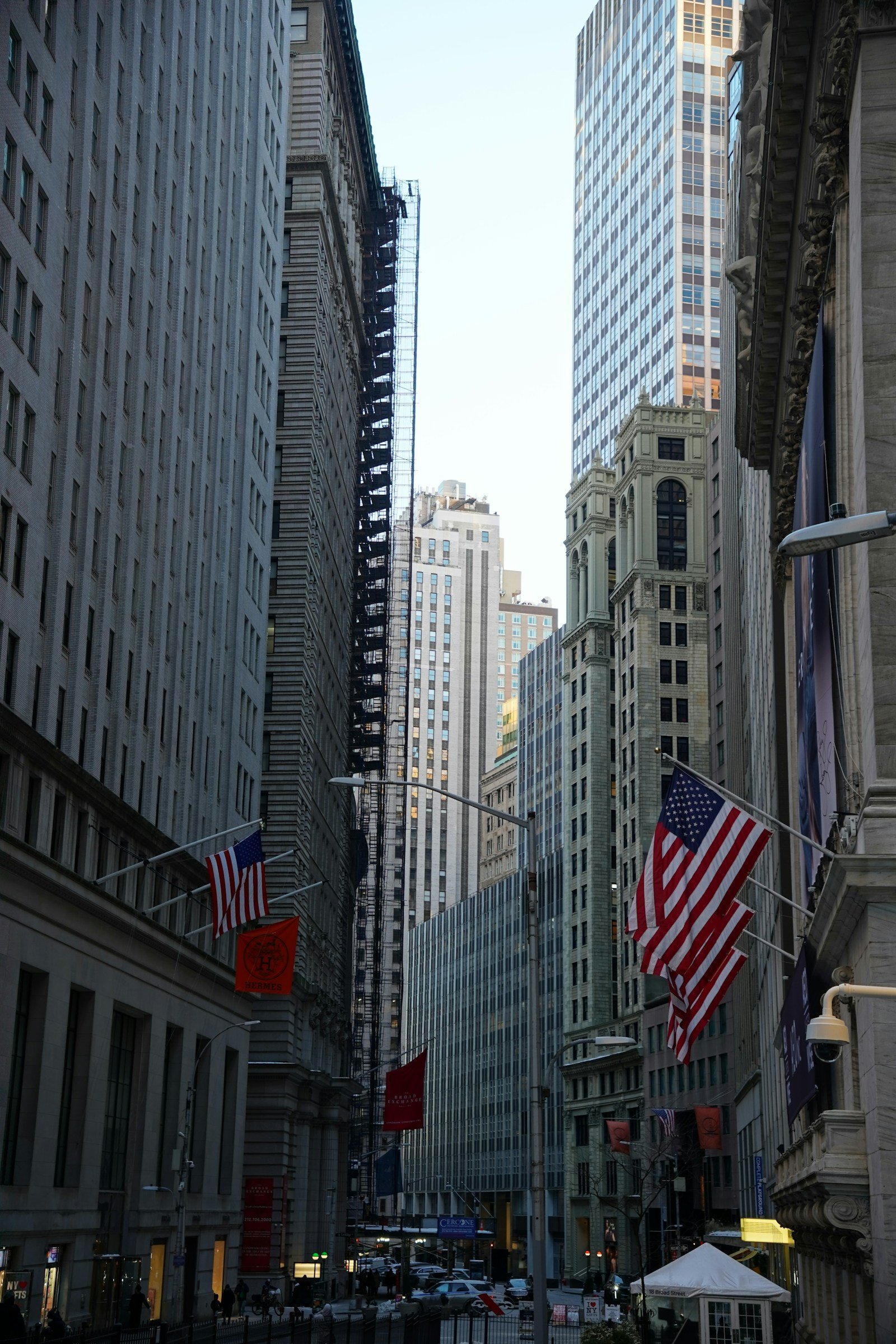
Stock Market Selloff: The Numbers From Thursday
In late trading, the Dow was down about 1,049 points, or 2.1%, at roughly 49,154, according to market figures reported by investingLive. The S&P 500 was off about 1.9% near 7,184, and the Nasdaq composite had lost about 2.1% to around 23,912. Yahoo Finance data showed the small-company Russell 2000 down almost 2% and the Cboe Volatility Index, often called Wall Street's "fear gauge," up about 13%.
These were late-session figures; official closing levels may differ slightly. The decline was broad. The AP reported that about 85% of stocks in the S&P 500 were lower by early afternoon, and Reuters said decliners outnumbered advancers on the New York Stock Exchange by about 4 to 1.
A losing streak that keeps growing
Thursday's stock market selloff came on top of earlier losses. The Dow fell about 850 points on Tuesday and about 560 points on Wednesday, according to Investopedia's market coverage. By our own count from those reports, that adds up to roughly 2,450 points over three sessions. Bloomberg reported that the Dow was nearing a correction, the term for a 10% decline from a recent high.
The AP said the S&P 500 was heading for a sixth straight loss as the stock market selloff stretched on. Reuters, writing earlier in the afternoon, counted the streak as five sessions, so the exact tally depends on how each outlet measured it.
What Drove the Stock Market Selloff
No single event explains the stock market selloff. Reports from the AP, Reuters and Yahoo Finance pointed to several pressures arriving at once, from interest rates to company-specific news.
Inflation and the Federal Reserve
Reuters reported that recent consumer and producer price data showed inflation pressures heating up, and that analysts expect next week's PCE report to show core inflation at 3.2% from a year earlier. Minutes from the Fed's October meeting, released Wednesday, showed officials focused on bringing inflation down. CME FedWatch data cited by Reuters put the odds of a quarter-point hike in December at about 94%, with a roughly 6% chance of a half-point move.
Fed Governor Christopher Waller told CNBC on Wednesday that he was "very, very concerned about inflation" and suggested a larger December increase could be needed, as we reported in our story on the half-point rate hike debate. The 10-year Treasury yield edged down to 5.05% from 5.07% on Thursday, according to the AP, but remains high by recent standards.
AI stocks lose momentum
Technology shares were central to the stock market selloff. The AP reported that an early rally in AI-related shares "quickly evaporated." It cited worries about lofty valuations, questions about when AI spending will pay off, and concern that high interest rates make it costlier to borrow for data centers. The AP also noted that Democrats' midterm gains had raised concerns among some investors about tighter AI regulation, along with uncertainty after Jensen Huang's sudden resignation as Nvidia's CEO.
Nvidia shares swung from a gain of 4.7% to a loss, the AP said. Micron and CoreWeave also gave up early gains.
AMD falls on a short-seller report
AMD fell about 9%, according to Reuters, after the investigative outlet Hunterbrook said an affiliated fund had taken a short position, a bet that the stock will fall. Hunterbrook's report said a blacklisted Chinese server maker had used newer AMD firmware in its products, raising questions about U.S. export controls. Yahoo Finance noted that Washington is weighing tighter rules on chip exports. AMD's response was not included in the reports we reviewed.
Anthropic's debut and other movers
Anthropic, the AI company, priced its initial public offering at $83 a share, above its expected range of $70 to $78, and raised about $81.3 billion, the largest IPO on record, according to Reuters. Shares opened at $111.50 and later gave back much of that jump, trading roughly 15% above the offer price in the afternoon. Jed Ellerbroek of Argent Capital told Reuters, "The Anthropic IPO is attracting gobs of attention." investingLive suggested some investors may have sold other stocks to make room for the new shares.
Elsewhere in the stock market selloff, Walmart slipped about 1% despite beating quarterly forecasts, with revenue of $188.8 billion against $187.2 billion expected. Reuters tied the drop to its annual sales outlook. Williams-Sonoma sank nearly 14% on a soft revenue forecast, while Palo Alto Networks rose about 6% after raising its guidance. UnitedHealth, a Dow component, fell about 5%, extending a slide we covered in our UnitedHealth stock report.
How Officials and Analysts Read the Data
Economic data released during the stock market selloff on Thursday sent mixed signals. The AP reported that slightly more workers applied for unemployment benefits last week, though the number remains relatively low by historical standards. Manufacturing growth in the mid-Atlantic region slowed more than economists had expected.
Fed officials have stressed that inflation is still running well above the central bank's 2% target. The Fed raised rates by a quarter point in September and held steady in October. Its next policy meeting is scheduled for December; the schedule and past minutes are posted on the Federal Reserve's website.
The White House had not commented on the stock market selloff in the reports we reviewed, and no statements from congressional leaders of either party on Thursday's trading appeared in those reports. Outside stocks, gold fell nearly 2% to about $3,669 an ounce and bitcoin slipped about 1%, according to Yahoo Finance data.
Stock Market Selloff: What It Means for You
For most households, a stock market selloff matters most through retirement accounts, college savings and borrowing costs. Here is how Thursday's moves could touch your finances, based on the reporting above and our own analysis.
Your 401(k) and IRA
If you hold broad index funds, your balance likely dropped during this week's stock market selloff. Our analysis: short-term swings are common, and selling after a sharp drop locks in losses. Investors who are close to retirement may want to review whether their mix of stocks, bonds and cash still matches their timeline. The SEC's Investor.gov offers free tools on asset allocation and risk.
Borrowing costs
With markets expecting another Fed hike, rates on credit cards, home equity lines and other variable-rate loans could rise further. The 10-year Treasury yield, which strongly influences mortgage rates, stayed above 5% on Thursday. Our analysis: borrowers who carry balances may benefit from paying down variable-rate debt before December.
Savings and cash
Higher rates have a flip side. Savers in high-yield accounts, certificates of deposit and Treasury bills may continue to earn relatively strong returns if the Fed raises rates again. Our analysis: keeping an emergency fund in cash can reduce the pressure to sell investments during a downturn.
What to watch next
Key dates include next week's PCE inflation report and the Fed's December meeting. Investors will also follow whether the stock market selloff deepens into a formal correction, how AI stocks trade after the Anthropic listing, and any new U.S. rules on chip exports.
This article is for information only and is not financial advice.
Sources: The Associated Press; Reuters; Yahoo Finance; Investopedia; investingLive; Bloomberg; Federal Reserve.