Published November 20, 2026 · By
A permitting reform bill designed to speed up construction of power lines, pipelines and other energy projects passed the U.S. Senate 62-33 late Thursday, Nov. 19, sending the measure to the House. The legislation, formally called the Bipartisan American Affordability and Jobs Act of 2026 and often shortened to BAAJA, has White House backing and a mix of support and opposition within both parties.
Below is what the permitting reform bill would do, how senators voted, what supporters and critics said, and what it could mean for your electricity bill.
Permitting Reform Bill Passes the Senate: The Vote
The final tally was 62 in favor and 33 against. According to the Washington Examiner, 31 Democrats and two Republicans voted no.
Sen. Chris Coons (D-Del.) credited Sens. Martin Heinrich (D-N.M.), Sheldon Whitehouse (D-R.I.), Shelley Moore Capito (R-W.Va.) and Mike Lee (R-Utah) with negotiating the deal. Latitude Media reported that Heinrich and Whitehouse served as lead Democratic negotiators and that the authors made changes in recent weeks to address concerns raised by Tribes, investor-owned utilities and environmental groups.
Those changes were enough to win endorsements from the Edison Electric Institute, which represents investor-owned utilities, and the climate group Evergreen Action, Latitude Media reported. Nearly every Democrat on the Senate Environment and Public Works Committee voted no, with Whitehouse the main exception. Sen. Catherine Cortez Masto (D-Nev.) also opposed the permitting reform bill, citing provisions that narrow Tribal consultation rights on cultural and sacred sites.
What the Permitting Reform Bill Would Change
The permitting reform bill touches several federal laws at once. Here are the main provisions as described by The Hill and Latitude Media.
Faster Lawsuit Deadlines
Legal challenges to an approved project would have to be filed within 150 days, down from a window that can now stretch for years. Only people or groups that commented during the formal public comment period could sue. The permitting reform bill would also make it harder for courts to halt projects under the National Environmental Policy Act (NEPA), the Clean Water Act and the Endangered Species Act, and it would let construction continue even if a court finds a federal environmental review was deficient.
Narrower Environmental Reviews
Certain activities, including natural gas pipeline expansions, would be exempt from NEPA reviews. Reviews that do take place would only need to consider alternatives that meet the project sponsor's stated goal. The bill would also narrow the authority of states and Tribes to deny projects on water pollution grounds.
New Federal Power Over Transmission Lines
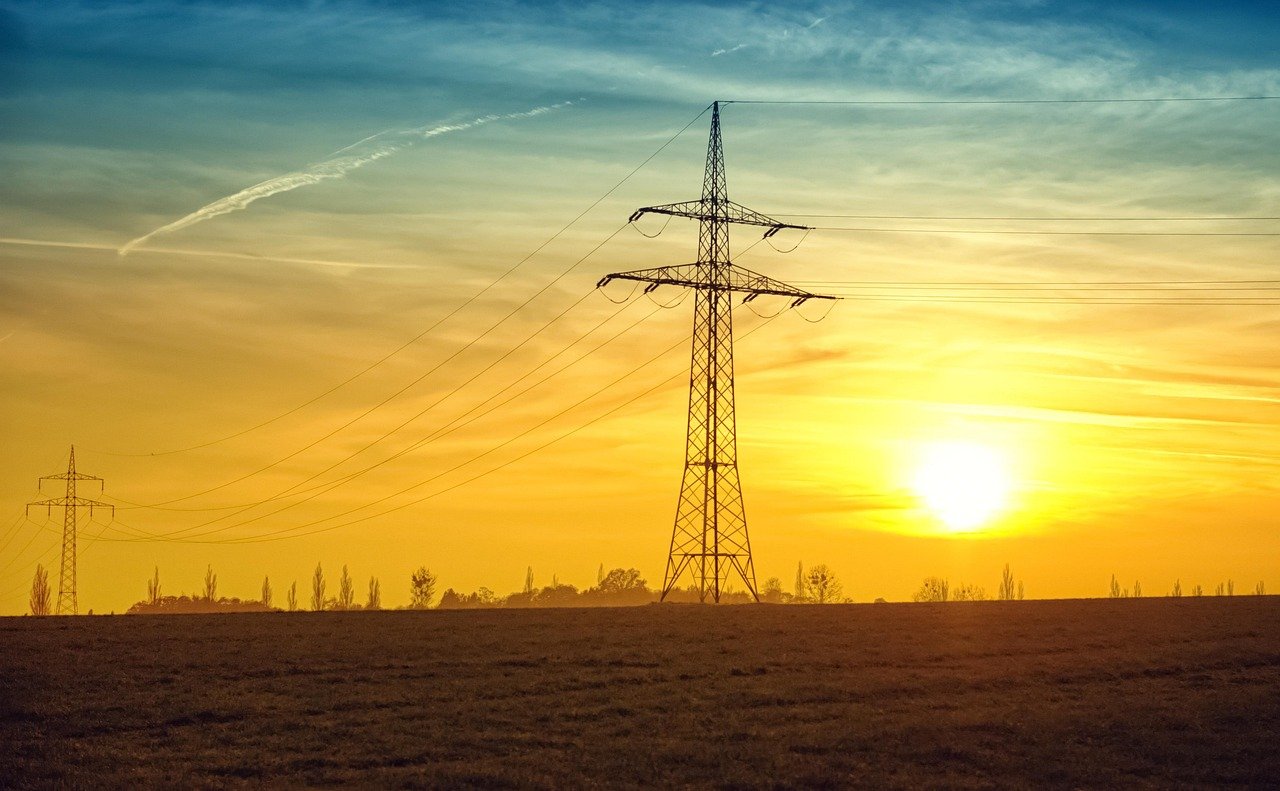
Federal regulators could approve interstate power lines when states block or delay them. State regulators could refer a utility to the Federal Energy Regulatory Commission (FERC) if its local transmission planning appears inefficient and costly for ratepayers. An earlier draft would have ended utilities' federal right of first refusal to build lines in their territories; the final text was softened so utilities keep the right to replace aging corridors.
"Permit Certainty" for All Energy Types
Future administrations could not revoke permits already issued, except in emergencies such as new evidence of national security, environmental or health harms, or under new laws. The Hill noted the provision responds both to the Trump administration's halt of approved wind projects and to Biden-era actions such as the Keystone XL pipeline permit revocation. Developers could also sue agencies over "disparate treatment," with a 10-year lookback and possible damages paid from the federal Judgment Fund.
Data Centers Pay for Grid Costs
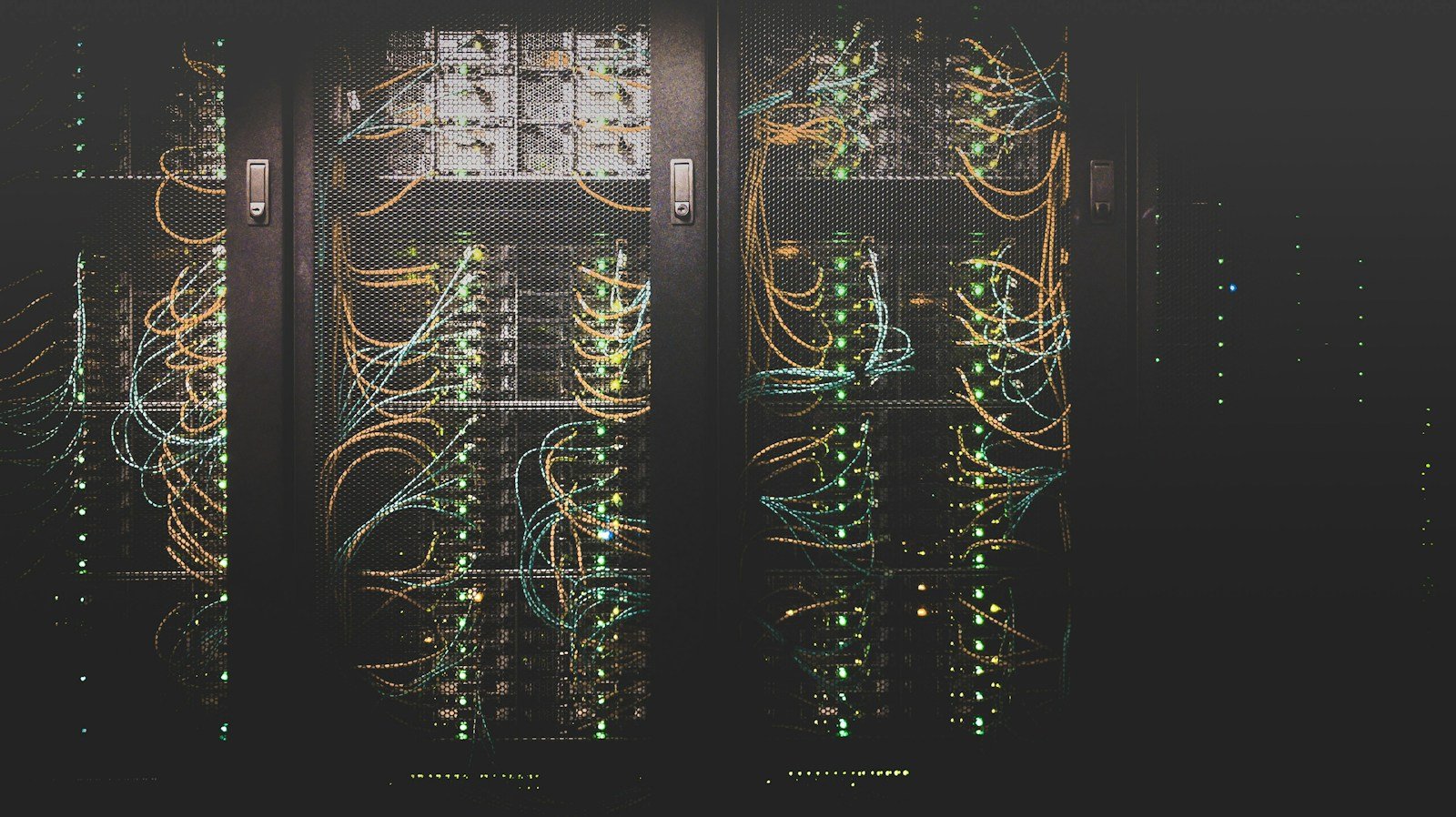
The permitting reform bill includes a version of the White House's "ratepayer protection pledge." According to Latitude Media, large data centers would pay both for new transmission built to serve them and for their use of the existing grid, with FERC in charge of carrying out the rule. The goal, according to supporters, is to keep the rising power demand of artificial intelligence facilities from being passed on to households. Our earlier coverage of a proposed data center moratorium explains why that demand has become a political issue.
What Supporters Said
Sen. Lisa Murkowski (R-Alaska) argued on the Senate floor that Congress could not keep postponing the issue. "This is our best option, not only for now, but likely for years to come," she said, according to Latitude Media.
Coons, who voted yes, said in a statement that the Senate "took an important step forward to lower costs for American families" and urged the House to pass the permitting reform bill without delay. He also said the legislation was not perfect and that his amendments on environmental and historic preservation provisions did not succeed.
Heinrich argued, as paraphrased by Latitude Media, that while advocacy groups rely on lawsuits to stop projects they oppose, the current system also slows projects that would benefit the climate and the grid. Supporters from both clean energy and fossil fuel industries, along with business groups, backed the bill, according to the same report.
The White House Position
The administration formally endorsed the permitting reform bill. In its Statement of Administration Policy, the White House said the bill "would remove major obstacles to building the infrastructure we need in this country." President Trump also endorsed it on social media last week, saying it would allow faster construction of pipelines, mines and power plants and lower energy costs, Latitude Media reported. The outlet added that Trump told reporters he still does not plan to approve wind turbine projects.
What Opponents Said
Critics argue the permitting reform bill weakens environmental protections, favors fossil fuel and mining projects, and limits the public's ability to challenge projects in court, according to The Hill. Some environmental organizations declined to endorse the deal, which Latitude Media described as a split within the climate movement.
In the House, Reps. Jared Huffman (D-Calif.) and Rashida Tlaib (D-Mich.) have voiced opposition and argued that Democrats should wait until next year, when their party will control Congress, Latitude Media reported. Tribal consultation was another point of contention, as reflected in Cortez Masto's vote.
Next Steps for the Permitting Reform Bill in the House
The House has not scheduled a vote on the permitting reform bill. The Hill reported that the measure is expected to draw significant bipartisan support there, but House Democrats are divided: progressives oppose it on environmental grounds, while the New Democrat Coalition, a bloc of more than 100 moderate members, has shown growing interest. Most Republicans appear supportive, though at least one influential Republican has sought changes related to grid reliability.
Timing is a challenge. The lame-duck calendar is crowded, and Congress also faces a possible lapse in federal funding if it does not act. If the House changes the text, the Senate would have to vote again. If the House passes the Senate version unchanged, it goes to the president, who has said he supports it.
What It Means for You
The permitting reform bill would not change your power bill overnight. Its effects would come through how fast new transmission lines, power plants and pipelines get built, which takes years. Here is how it could affect households.
Electricity Bills Over Time
An analysis by the research firm Rhodium Group, cited by Latitude Media, projected that average annual household electricity bills would be $50 to $78 lower by 2040 than under current policy, mainly because more long-distance transmission would be built. The same analysis projected power-sector emissions would fall by 1% to 18% by 2040, depending largely on how clean energy prices compare with natural gas. These are long-range estimates, not guarantees.
Data Center Costs
If the data center cost provision becomes law and FERC carries it out as described, utilities would have a federal framework for charging large facilities for the grid upgrades they require. That could reduce the share of those costs that shows up on residential bills, though the details would depend on federal and state regulators. For near-term energy costs, see our report on heating costs this winter.
Your Voice in Local Projects
If you live near a proposed power line, pipeline or mine, the permitting reform bill would make the public comment period more important. Under the Senate version, only those who comment during that window could later sue, and they would have 150 days after approval to do so. Residents who want to keep legal options open would need to take part early.
Our Analysis: What to Watch
Based on the reporting so far, the key questions are whether House leaders bring the Senate text to the floor before the session ends, whether House changes force another Senate vote, and how FERC would write the data center cost rules if the permitting reform bill becomes law. You can follow the legislation's status on Congress.gov.
This article is for information only and is not financial advice.
Sources: The Hill; Latitude Media; Washington Examiner; Office of Sen. Chris Coons; The White House.