Published November 20, 2026 · By
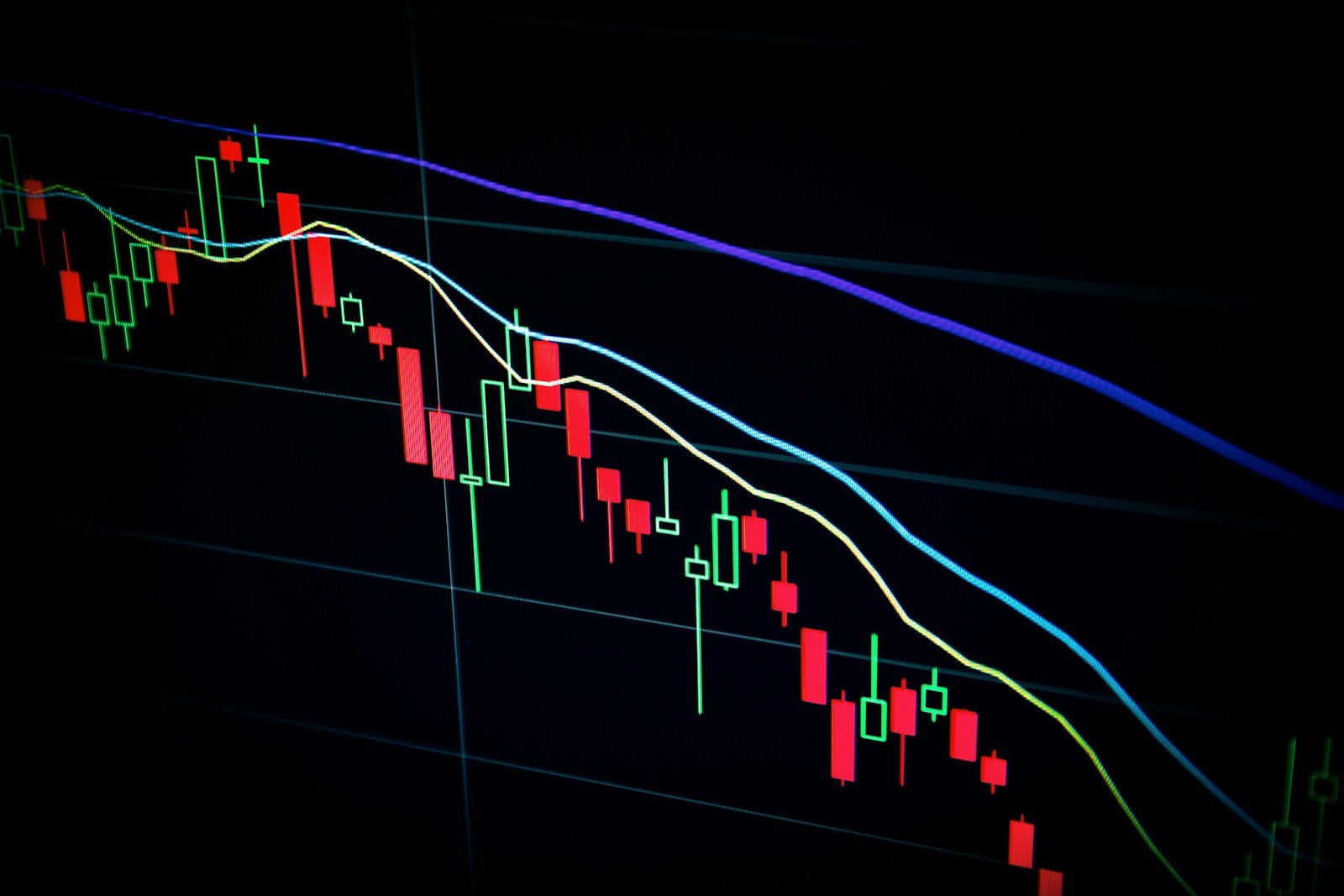
The gold price fell to its lowest level in 14 months early Friday, extending a sharp selloff that has pulled precious metals down alongside stocks this week. Spot gold traded near $3,554 an ounce in the early U.S. morning after briefly dropping to about $3,514, as traders bet the Federal Reserve will keep raising interest rates and the dollar held near a 19-month high.
The slide has drawn wide attention from Americans checking the latest gold price this week. Here is what happened, what Fed officials and analysts said, and what the move means for Americans who buy, sell or hold gold.
Gold Price Hits 14-Month Low: What Happened
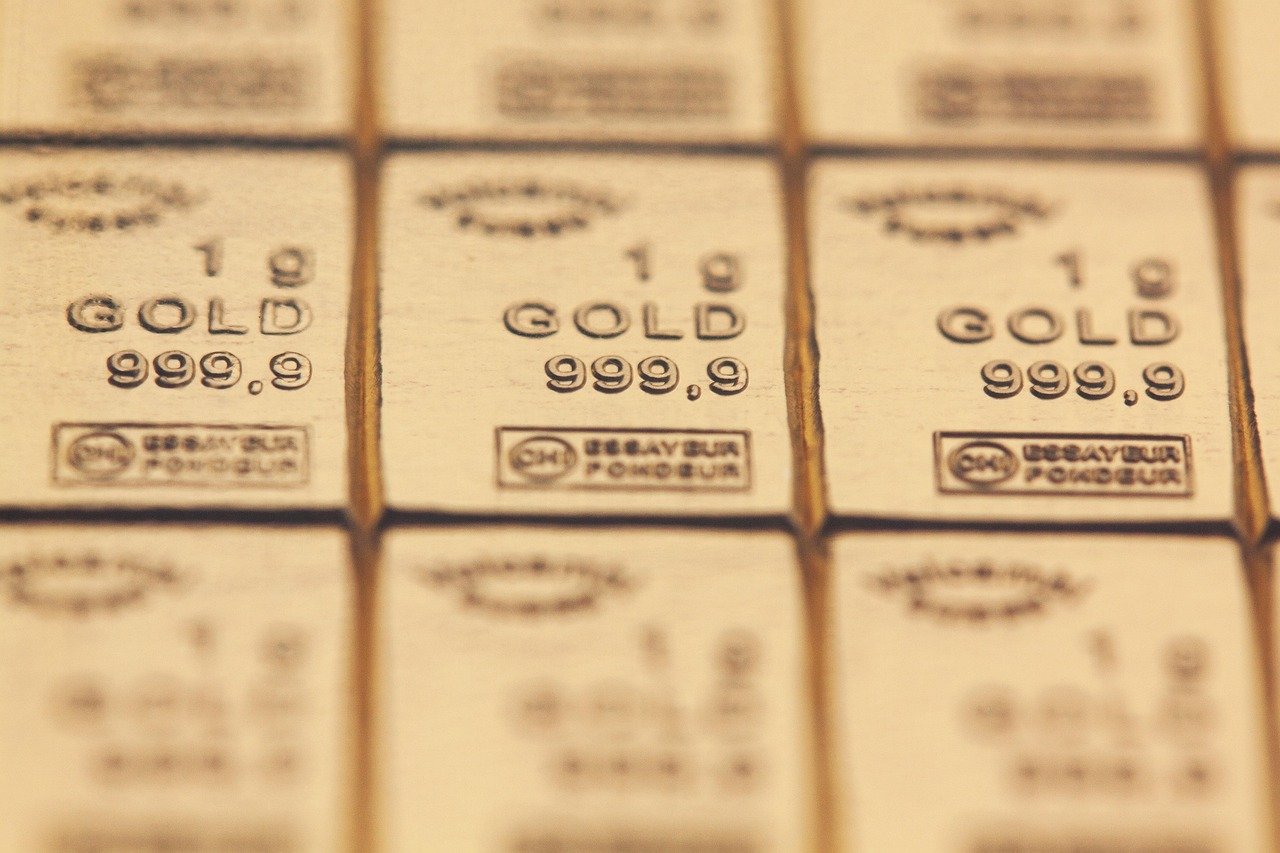
Spot gold was down 1.9% at $3,554.19 an ounce at 1:27 a.m. Eastern time on Friday, according to a Reuters report published by Investing.com. Earlier in the session it touched $3,513.54, its lowest level since September 2025. U.S. gold futures fell 3.5% to $3,555.45, and Reuters said the metal was on track for its biggest weekly drop since March.
The gold price losses built on a steep decline on Thursday. Kitco News reported that spot gold closed the U.S. session at $3,625.50, down $98.60, or 2.65%, which was then a fresh 14-month low. For context, BullionVault reported that gold finished the previous Friday at $3,744 an ounce.
Silver, platinum and copper also fell
The selling was not limited to the gold price. Silver dropped about 2% to roughly $42 an ounce early Friday, after Kitco reported a 4.71% fall on Thursday to $42.83. Platinum lost 2.2% to $1,320.60, and the benchmark copper contract on the London Metal Exchange fell 2.4%, according to the Reuters report.
Why the Gold Price Is Falling
Market reports point to three main forces behind the gold price drop: expectations of higher interest rates, a strong dollar and forced selling as stocks fell. Gold pays no interest, so the gold price tends to lose appeal when yields on bonds and savings products rise. A stronger dollar also makes dollar-priced metals more expensive for buyers using other currencies.
Fed rate hike bets
Minutes from the Fed's October meeting showed that nearly all policymakers expected further tightening, Kitco reported. Traders now see a December hike as close to certain. The CME FedWatch tool put the odds of a quarter-point increase at 97.3% and a half-point move at 2.7%, according to Reuters. The Fed's next meeting is set for Dec. 8-9, Kitco noted; the central bank posts its schedule and minutes on its Federal Reserve meeting calendar and minutes page.
Fed Governor Christopher Waller told CNBC on Wednesday that "inflation is headed in the wrong direction, and it's spreading out," BullionVault reported, and he said he favored a half-point increase in December. Philadelphia Fed President Anna Paulson said on Friday that another rate increase was needed, according to Reuters. Fed Chair Kevin Warsh has declined to signal the path of future policy, BullionVault noted. Our earlier report on the half-point rate hike debate covers the minutes in more detail.
Strong dollar and high yields
The dollar stayed near its strongest level in 19 months, and the 10-year Treasury yield hovered around 5%, according to Kitco and Reuters. Kitco reported the 10-year yield at about 5.04% on Thursday, slightly below the prior day. Yields near that level offer savers and investors a competing source of return that gold does not provide.
Selling to cover stock losses
Stocks fell hard on Thursday. Kitco reported that the Dow Jones Industrial Average lost 2.19% to 49,097.06, the S&P 500 fell 2.02% to 7,175.83 for a sixth straight losing session, and the Nasdaq Composite dropped 2.25%. Reuters cited margin-call selling, in which investors sell assets such as gold to raise cash after losses elsewhere. Read our coverage of the stock market selloff for the full picture.
Economic Data Added to the Pressure
Thursday's economic reports also shaped the mood. Initial jobless claims rose to 203,000, above the 197,000 economists expected, and continuing claims reached 1.763 million, Kitco reported. The Philadelphia Fed's November manufacturing index fell to 6.3 from 20.9, well below forecasts near 20. The Conference Board's index of leading economic indicators slipped 0.3% in October to 99.3.
Softer data can sometimes lift the gold price because it raises the chance of rate cuts. This week, however, traders focused more on the Fed's inflation warnings than on signs of a slowing job market, according to the market reports.
What Analysts and Market Watchers Said
Rich Checkan of Asset Strategies told BullionVault that "gold and silver are searching for a bottom." Kitco's technical analysis identified support near $3,625 on Thursday and a deeper level near $3,500, a mark gold approached in early Friday trading.
Some traders argued the Fed's tough message was already reflected in prices. One bond trader quoted by BullionVault said futures markets were already pricing a high chance of another hike in January. Reports differ on the exact starting point of the week's decline, and price quotes vary by source and time of day, so readers should treat any single gold price figure as a snapshot. Dealers, futures exchanges and online quote services can also show slightly different numbers at the same moment.
What the Gold Price Drop Means for You
A lower gold price affects Americans in different ways depending on whether they are buying, selling or holding. The points below are general information based on how gold markets typically work, not a recommendation to buy or sell.
If you own gold or a gold fund
Investors who bought gold coins, bars or gold-backed funds near this year's highs are sitting on losses. Exchange-traded funds that track the gold price move with the market every trading day, while physical coins and bars usually sell back to dealers at a discount to spot. Retirement accounts that hold precious metals, including self-directed IRAs, will show lower balances on their next statement. The gold price has historically moved in long cycles, and short-term drops do not by themselves signal where prices go next.
If you plan to sell jewelry or scrap gold
Cash-for-gold buyers and pawn shops base their offers on the spot gold price, usually minus a margin. Selling this week likely means a smaller payout than a few weeks ago. Getting quotes from several dealers and checking the day's spot price before you visit can help you judge whether an offer is fair.
If you are shopping for jewelry or coins
A lower gold price can trim the cost of gold jewelry and bullion coins, but retail prices often lag the market and include large markups for design, labor and dealer premiums. Our analysis: shoppers ahead of the holidays may see some relief, though not a drop as large as the move in spot prices.
Savings, loans and the bigger picture
The same forces pushing gold down are pushing borrowing costs up. Another Fed hike would likely raise rates on credit cards and other variable-rate debt, while savers could earn more on high-yield savings accounts and certificates of deposit. Watching the Fed's Dec. 8-9 decision is useful whether or not you own any gold.
Key Dates to Watch
- Rest of Friday: whether the gold price holds above the $3,500 level that Kitco flagged as deeper support.
- Next week: Fed officials' speeches and U.S. economic data ahead of the Thanksgiving holiday.
- Dec. 8-9: the Federal Reserve's final policy meeting of 2026, where traders expect another rate increase.
This article is for information only and is not financial advice. Consider speaking with a licensed financial professional before making investment decisions.
Sources: Reuters via Investing.com (Nov. 20, 2026); Kitco News (Nov. 19, 2026); BullionVault Gold News (Nov. 18, 2026); Federal Reserve.