Published November 23, 2026 · By
AI bubble fears spread from Wall Street to Asia on Monday, Nov. 23, as South Korea's benchmark Kospi index slid as much as 5.8% in early trading, even while U.S. stock futures bounced after the worst week for American stocks in more than five years. The moves set up a tense, holiday-shortened week for investors, with a key inflation report due Wednesday and the Federal Reserve's next rate decision scheduled for Dec. 9.
Here is what happened overnight, what officials and analysts said, and what the turbulence could mean for your savings, retirement accounts and borrowing costs.
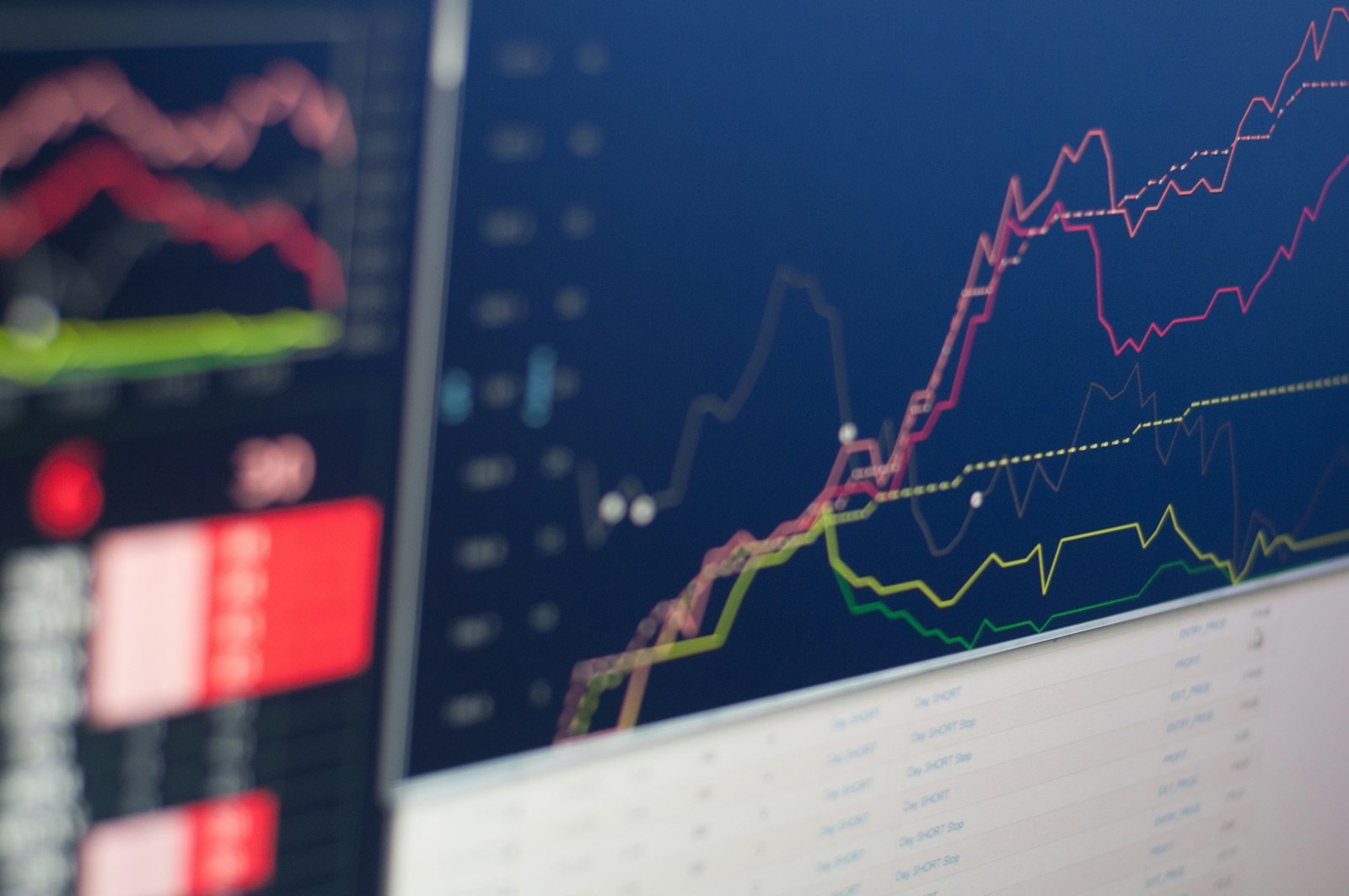
AI Bubble Fears Hit Asian Markets on Monday
South Korea, home to some of the world's largest memory-chip makers, took the hardest hit from AI bubble fears. The Kospi fell to a 10-month low of 4,632.34 before paring its losses, according to Investing.com, and was down about 3.2% as of 04:30 GMT, Al Jazeera reported. Hong Kong's Hang Seng and China's CSI 300 were each down roughly 0.6% at that point after deeper morning declines.
Taiwan's Taiex moved the other way. After opening lower, it rebounded to a gain of about 2.5%, Al Jazeera said. Japanese markets were closed for the Labor Thanksgiving Day holiday, which removed one of the region's biggest trading centers from Monday's session. Australia's ASX 200 traded close to flat after a weak open, according to ABC News in Australia.
Governments Step In
Several Asian governments moved to calm markets as AI bubble fears deepened. South Korea is preparing to activate a market stabilization fund, a tool last used in 2008, if conditions worsen, and it is easing daily share-buyback limits for listed companies for three months starting Nov. 24, Investing.com reported. Taiwan, whose market fell about 17% last week in its steepest weekly drop since 1990, tightened short-selling rules. China's stock exchanges plan to lower margin requirements for stock purchases made with borrowed money to 80% from 100%, effective Nov. 30.
How Wall Street Got Here
The overseas slide followed a brutal Friday on Wall Street, when AI bubble fears turned into a broad retreat. The S&P 500 fell 3.7% and entered correction territory, meaning it closed at least 10% below its recent high. The Nasdaq Composite dropped 5.3%, wiping out all of its gains for 2026, and the Dow Jones Industrial Average lost 1.9%, leaving it more than 10% below its peak.
For the full week, the Dow fell about 8% and the S&P 500 about 8.6%, their steepest weekly losses since April 2025, while the Nasdaq's roughly 10% slide was its biggest since March 2020, according to Investing.com. The Philadelphia semiconductor index fell about 11%, and the Cboe Volatility Index, often called Wall Street's fear gauge, climbed to its highest level since April 2025. We tracked the earlier spike in our report on the VIX volatility index.
What Drove the Selloff
Market coverage pointed to a mix of company-specific shocks and interest-rate worries. Investing.com cited Jensen Huang's departure from Nvidia, weak early trading in Anthropic shares after the AI company's initial public offering, and rising rates. Nvidia stock fell 14%, the outlet reported. ABC News said Anthropic closed down 8.5% in its first full trading session and fell another 9% on Friday to $88.30.
Some strategists argue the damage is concentrated in the technology trade. Economist Gerard Minack told ABC that "this AI sell-off reflects AI-specific concerns," noting that a broad Goldman Sachs AI index sat 37% below its June peak. The research firm Gartner, cited by Al Jazeera, has projected global AI investment of $2.7 trillion in 2026 and $3.6 trillion in 2027, figures that help explain why AI bubble fears now ripple across so many markets.
Futures Rebound, but Analysts Urge Caution
In contrast to Asia's cash markets, U.S. stock futures rose sharply overnight. S&P 500 futures were up about 2% and Nasdaq 100 futures were up between 2.4% and 3% during Asian trading hours, according to Al Jazeera, Investing.com and Reuters data cited by ABC. Our earlier report on Dow futures covered the first leg of that Sunday-evening rebound.
Analysts quoted by the outlets were divided on whether the bounce would last. Rajat Agarwal, an Asia equity strategist at Societe Generale, told Al Jazeera that markets were trying to find footing after Friday's heavy losses. Khoon Goh, head of Asia research at ANZ, said "AI-related concerns will continue to dominate this week," as investors try to judge whether a bottom is near.
Damien Boey of Wilson Asset Management told ABC that investors should be careful, arguing that without a policy shift from central banks there is no clear catalyst for a lasting recovery. That view links AI bubble fears directly to the interest-rate outlook.
The Fed Question Behind AI Bubble Fears
Treasury Secretary Scott Bessent warned on Sunday that the Federal Reserve risks harming the economy by "overtightening policy," according to Semafor and Bloomberg. His comments came as traders pared back bets on a half-point rate increase at the Fed's Dec. 9 meeting, Semafor reported. The central bank's schedule is posted on the Federal Reserve's FOMC calendar.
Some investors share the concern and say rates, not only AI bubble fears, are weighing on stocks. Anna Wu of Floodline Research told Investing.com that "this time the biggest overhang is the Fed overtightening." Others see continued inflation pressure. Kyle Rodda of Capital.com told ABC that he believes the Fed will need to become more aggressive to control inflation.
Key Data This Week
The next major test arrives Wednesday, when the Commerce Department's Bureau of Economic Analysis releases October data on the personal consumption expenditures price index, the Fed's preferred inflation gauge. Economists expect core PCE inflation of about 3.2% from a year earlier, according to ABC. Details on the measure are available from the Bureau of Economic Analysis.
U.S. markets close Thursday for Thanksgiving and shut early on Friday, so trading volume is likely to be thinner than usual. Thin trading can amplify price swings in either direction, which is one reason AI bubble fears could keep markets volatile.
Analysis: The section below is Meridian Pioneer's own explanation of how these developments could affect households. It is based on the reported facts above and does not predict where markets will go.
What AI Bubble Fears Mean for You
For most Americans who are not active traders, the biggest exposure is through retirement accounts. Many 401(k) plans and index funds hold large positions in technology companies, so AI bubble fears can show up quickly in quarterly statements. A correction is a 10% decline from a recent high; historically, the S&P 500 has gone through many of them, and their length has varied widely.
- Check your mix, not the daily number. If a large share of your portfolio sits in a few technology stocks or tech-heavy funds, this may be a good moment to review whether that matches your risk tolerance and time horizon.
- Watch borrowing costs. The 10-year Treasury yield was near 4.95% during Asian trading, according to ABC. Mortgage rates tend to follow that yield, and a Fed rate increase in December would likely push up rates on credit cards and other variable-rate debt.
- Keep an emergency fund. Market drops matter most for people who need to sell investments soon. Cash or short-term savings can help you avoid selling during a downturn.
- Be wary of quick fixes. Volatile weeks bring a surge of hot tips and promises of easy gains. Stick with reputable sources and, if needed, a licensed adviser.
Holiday Shopping and the Wider Economy
The market swings land just before Black Friday, a key test of consumer spending. If AI bubble fears keep stock values falling, that can make some households feel less wealthy and spend more cautiously, while lower gasoline and oil prices can offset part of that pressure. How those forces balance out will become clearer in the weeks ahead.
Bottom Line
AI bubble fears pushed Asian markets lower on Monday, even as U.S. futures pointed to a partial rebound after Wall Street's worst week in years. Officials in Seoul, Taipei and Beijing took steps to steady trading, while Bessent's warning on rates and Wednesday's inflation report put the Federal Reserve at the center of the debate. Investors will be watching whether the rebound holds once U.S. trading resumes.
This article is for information only and is not financial advice.
Sources: Al Jazeera; Investing.com; ABC News (Australia); Semafor via Yahoo Finance; Bloomberg; U.S. Bureau of Economic Analysis; Federal Reserve.