Published November 22, 2026 · By
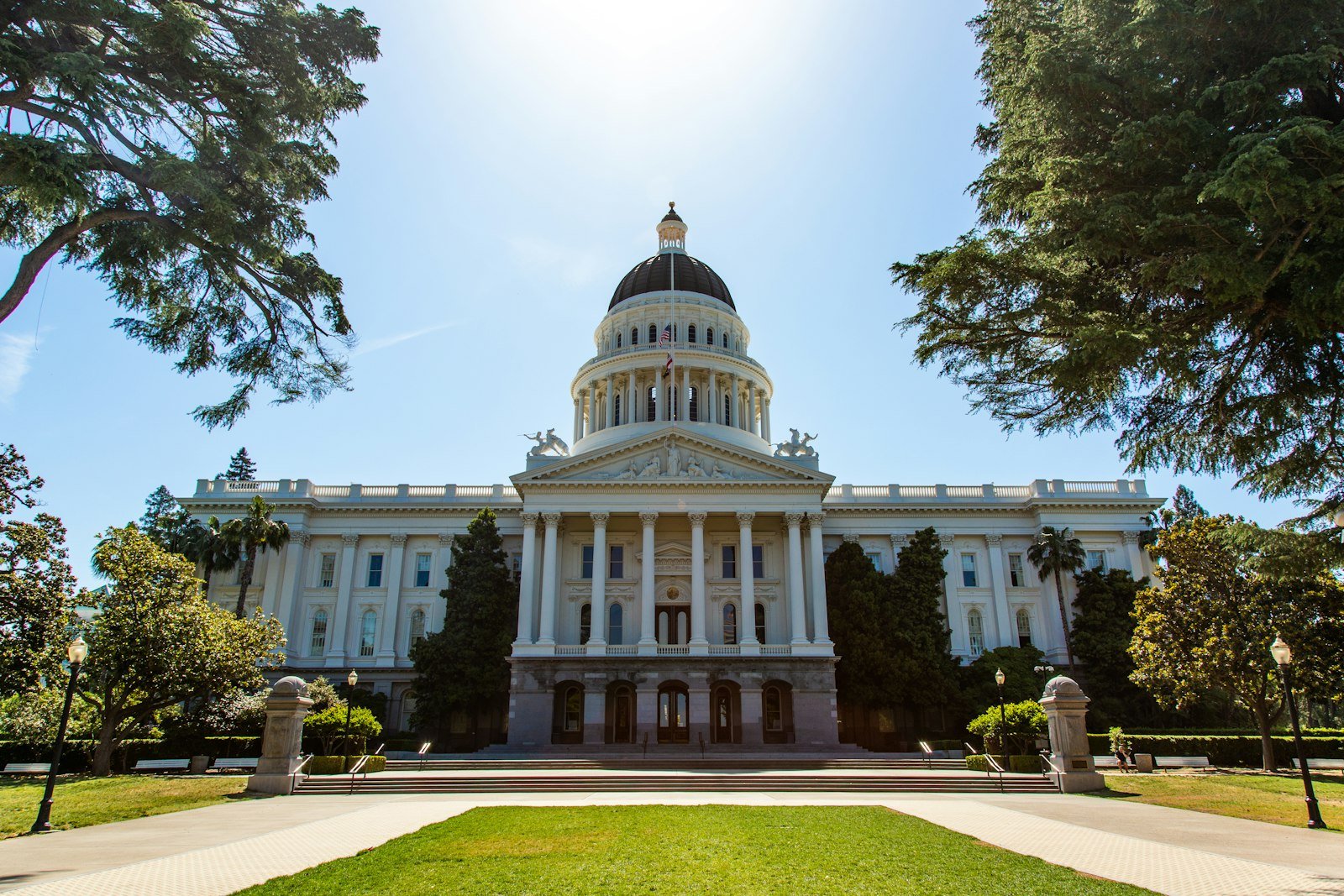
California's billionaire tax was rejected by voters this month, and the Associated Press reported on Sunday that the defeat stands out against a string of wins for higher taxes on top earners in other states. Proposition 40 would have placed a one-time 5% levy on the net worth of the state's wealthiest residents. About 52% of voters said no, according to AP vote counts. Backers now say they plan to return in 2028, while a separate measure that passed may stand in their way.
Billionaire Tax Vote: What Happened in California
The billionaire tax, listed as Proposition 40, asked California voters to approve a one-time tax of 5% on net worth above $1 billion. It would have applied to people who lived in the state as of Jan. 1, 2026. Reporting by Yahoo Finance said the measure was expected to reach roughly 200 billionaires and that certain assets, including real estate and some retirement accounts, were excluded.
The AP called the billionaire tax race after several days of counting. CalMatters, citing AP figures from Nov. 9, reported the measure trailing 52.8% to 47.2%. The AP's Sunday story described the final margin as just over half of voters opposed.
At the same time, voters narrowly approved Proposition 42, a competing measure that bans future taxes on financial assets, which would cover any new billionaire tax. CalMatters reported it ahead 51.6% to 48.4% on the evening the AP made its call. Because it was approved by voters, only another statewide vote can undo it.
Where the money would have gone
The main sponsor, SEIU United Healthcare Workers West, estimated the billionaire tax would raise about $100 billion, according to CalMatters. Most of the money was dedicated to health care, with portions for education and food assistance. Supporters said the state needs the revenue to make up for federal health care changes and Medicaid cuts. CalMatters reported those cuts are expected to cost about 2 million Californians their health coverage.
The state's nonpartisan Legislative Analyst's Office offered a more mixed fiscal picture. Yahoo Finance reported that the office expected a possible short-term revenue boost but warned the tax could weigh on regular income tax collections over time if wealthy residents left. Gov. Gavin Newsom cited the office's projection of reduced ongoing revenue in his opposition.
Who Backed and Who Opposed the Billionaire Tax
The measure divided Democrats. The California Democratic Party and the California Federation of Labor Unions endorsed it, as did Sen. Bernie Sanders, I-Vt., and Rep. Ro Khanna, D-Calif. Newsom opposed it and endorsed Proposition 42. The California Teachers Association, Planned Parenthood Affiliates of California and the California Taxpayers Association were also on the no side.
Newsom argued that a one-time billionaire tax would not fix the state's long-term budget problems and could push wealthy residents to move away, CalMatters reported. Opponents made the same case, saying an exodus of billionaires would shrink the income tax base that funds many state services.
Gov.-elect Xavier Becerra, a Democrat, also opposed the measure. According to the AP, he said the support it drew still sent "a clear signal" that many residents feel not everyone is paying a fair share. He did not say how he plans to respond.
A lopsided spending battle
The fight was among the most expensive ballot campaigns in California history, the AP said. CalMatters tallied about $378 million raised by wealthy opponents, including $102 million from Google co-founder Sergey Brin to a group called Building a Better California. The AP reported the main committee opposing Proposition 40 and supporting Proposition 42 raised more than $333 million. Supporters raised about $33.5 million, meaning they were outspent by more than 10 to 1.
Polling helps explain the result. A UC Berkeley poll cited by CalMatters found 45% of voters favored taxing billionaires more to pay for public services, compared with 35% who prioritized keeping billionaires in the state. Yet only 46% backed the measure itself.
Other States Raised Taxes on Top Earners
The California outcome contrasts with results elsewhere, the AP reported. In Washington, voters upheld a 9.9% tax on household income above $1 million. Colorado voters adopted a graduated income tax that includes an 8.4% rate on income over $1 million, with revenue directed to education, health care and other services.
Lawmakers in Hawaii, Maine and Rhode Island approved new taxes this year on incomes above $1 million. California voters themselves agreed to extend indefinitely an existing tax increase on individual incomes above $371,000 that funds education. Carl Davis of the Institute on Taxation and Economic Policy told the AP that supporters of higher taxes on the wealthy had "a really good batting average" this year.
Amber Wallin of the State Revenue Alliance told the AP her group plans to push similar proposals next year in about six states where Democrats recently won control of both the legislature and the governor's office.
Will the Billionaire Tax Return in 2028?
Billionaire tax supporters say the fight is not over. SEIU-UHW President Dave Regan told CalMatters the union will go back to voters in 2028 if the Legislature does not come up with a way to fund health care. "That's not a hypothetical. That's our plan," he said.
Lorena Gonzalez, who leads the state labor federation, told the AP that supporters have to return to the ballot. She also said the defeat increases pressure on state and federal lawmakers to replace lost Medicaid funding. Khanna has called for a federal billionaire tax, according to Yahoo Finance.
Proposition 42 is the main obstacle. Because it bars future taxes on financial assets, CalMatters and the AP noted it could block a revived proposal unless voters first repeal or amend it. Opponents have argued throughout the campaign that taxing wealth would drive top earners out of the state and hurt the revenue California already collects.
What It Means for You
For nearly all Americans, the billionaire tax vote does not change what they owe. The measure applied only to people worth more than $1 billion, and it failed. Still, the debate behind it touches everyday budgets in several ways.
Health care funding remains unresolved
Supporters pitched the billionaire tax as a way to replace federal health dollars. With it off the table, California lawmakers will have to decide whether to cut programs, find other revenue or accept coverage losses. Similar choices are playing out in other states, as covered in our report on Medicaid expansion hurdles facing four governors. If you rely on Medi-Cal or Medicaid, watch for notices about eligibility and renewals.
State taxes on high earners are shifting
If you live in Washington, Colorado, Hawaii, Maine or Rhode Island and earn more than $1 million a year, new or upheld state taxes may affect you. Most households are below those thresholds. Check your state revenue department for effective dates before making financial decisions.
The national debate is not settled
Our analysis: wealth taxes, including a possible federal billionaire tax, and income taxes are likely to stay part of the conversation in Washington and statehouses, especially as Congress weighs health care funding. Readers can follow related federal talks in our coverage of the health care negotiations between President Trump and Democrats. Official results for California measures are posted by the California Secretary of State.
This article is for information only and is not financial or tax advice.
Sources: Associated Press (via WISN, Nov. 22, 2026); CalMatters (Nov. 9, 2026); Yahoo Finance (Nov. 4, 2026); California Legislative Analyst's Office.