Published November 21, 2026 · By
The risk of a December shutdown is growing as Democrats in Congress argue over whether to use the Dec. 11 government funding deadline to force limits on the Iran war. On Friday, the top Democrat on the House Appropriations Committee said she does not want to shut the government down over the war, even as a group of Senate Democrats has drafted terms that tie their votes to new war restrictions. Republican leaders, who still control both chambers until January, say those demands cannot pass.
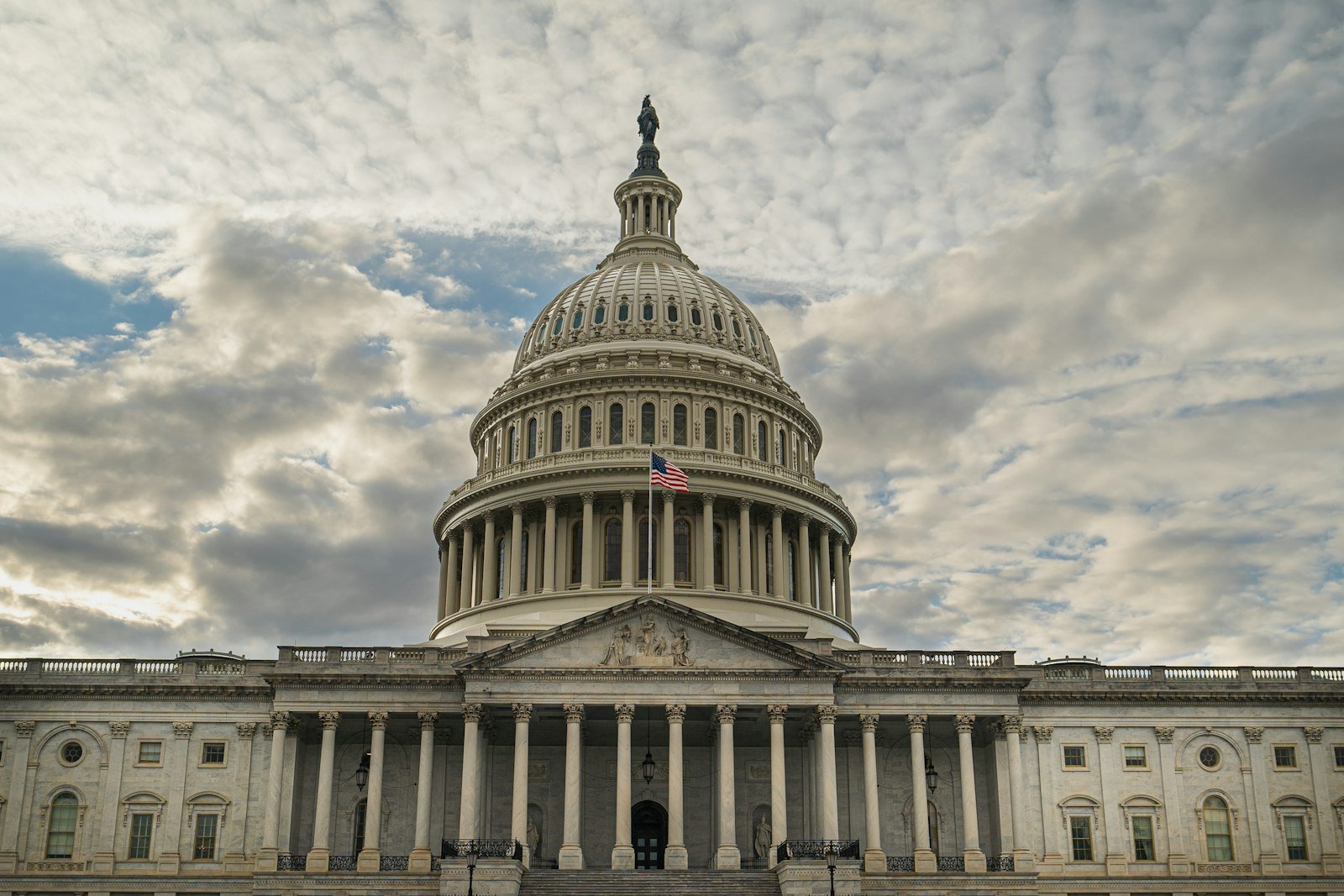
December Shutdown Deadline: What Happened
The stopgap spending law that keeps federal agencies open expires on Dec. 11. Lawmakers left Washington for the Thanksgiving break and are scheduled to return on Nov. 30, which leaves less than two weeks of session time to pass another continuing resolution or full-year spending bills, according to Punchbowl News.
The main sticking point in the December shutdown fight is the Iran war. Many Democrats, fresh off midterm wins that included flipping nine Senate seats, want any new funding bill to restrict money for the conflict. Republican leaders say they will not accept language that limits President Trump's war powers. Because a spending bill needs 60 votes in the Senate, Republicans need some Democratic support to pass one, which gives Democrats leverage in the December shutdown talks before the new Congress begins.
DeLauro Says a Shutdown Would Not End the War
Rep. Rosa DeLauro of Connecticut, the ranking Democrat on House Appropriations, told Scripps News on Friday that she opposes a December shutdown over the Iran war. She said Americans would like to see the war end but may not believe a shutdown would accomplish that. DeLauro said Democrats "have an agenda to move forward with come January 3rd," when the new Congress is sworn in.
Punchbowl News reported that DeLauro favors a short-term extension running to sometime in February, after Democrats take control of both chambers. She has said a December shutdown could stall her spending priorities on education, housing and energy costs. In earlier comments reported by CBS News, she had said she would support cutting off funds for the war.
Senate Democrats Draft Their Terms
A group of Senate Democrats has gone further. According to the Daily Caller, citing Politico, Sens. Tim Kaine and Mark Warner of Virginia and Chris Coons of Delaware, along with others including Jack Reed of Rhode Island, Patty Murray of Washington and Jeanne Shaheen of New Hampshire, finalized a plan to withhold support for government funding unless Trump obtains congressional authorization for the war. Defensive operations against an attack would be exempt. Kaine said the full caucus had not yet signed on. If it does, the terms would sharpen the December shutdown standoff.
Sen. Chris Van Hollen of Maryland, who is challenging Sen. Chuck Schumer of New York for the top Senate Democratic post in a Dec. 1 leadership election, has urged Democrats to oppose Iran war funding in any December stopgap. Sen. Richard Blumenthal of Connecticut said on Nov. 16 that he would probably oppose continued funding unless steps are taken to stop the war.
Other Democrats urge caution. Reed, the top Democrat on the Senate Armed Services Committee, told Punchbowl it is essential that Congress not shut the government down. House Minority Leader Hakeem Jeffries has said the war "needs to end" but has not said whether he wants Iran language attached to a stopgap. Schumer has not taken a public position on that question either.
How Republicans and the White House Responded
Senate Majority Leader John Thune of South Dakota has said that adding Iran war funding restrictions is "not a realistic ask" and would lead to a December shutdown, according to Punchbowl. At the same time, Politico reported that Thune suggested Republicans might consider fencing off Iran funding if Democrats agreed to other national security money, including munitions.
Punchbowl reported that House Speaker Mike Johnson and Thune cannot agree to a deal that limits the president's war powers, while Schumer and Jeffries cannot approve one without such language. Some Republicans told Scripps News that Democrats had not engaged in funding talks ahead of their leadership elections. Republicans have also warned that a December shutdown could leave agencies unfunded until Democrats take over Congress in January.
The White House has not issued a detailed public position on the stopgap. President Trump is separately pushing a roughly $350 billion party-line defense package, which Senate Republicans set aside this week, as we reported in our coverage of the Pentagon funding plan. On Friday, Trump also said he would veto Democratic bills over the next two years unless Democrats work with him, as detailed in our story on the Trump veto threat.
The War Powers Vote Backdrop
The December shutdown fight follows a Thursday Senate vote in which a resolution to end U.S. involvement in the Iran war failed 48-51. Sen. John Fetterman of Pennsylvania joined most Republicans in voting no. That result is one reason some Democrats see the spending deadline as their strongest remaining tool before January, while others prefer to wait until they hold majorities in both chambers.
Why the December Shutdown Math Is Hard
Punchbowl laid out two open questions. First, can Johnson pass a "clean" stopgap through the House with Republican votes alone? Second, can Senate Republicans find eight or nine Democrats to reach 60 votes for a bill without Iran limits? The outlet described the second path as uncertain, noting that several retiring Democratic senators and some incoming red-state Democrats have voiced concerns about hardline tactics.
Our analysis: timing matters in any December shutdown standoff. The Senate Democratic leadership vote on Dec. 1 falls just 10 days before the deadline, so the caucus may not settle its strategy until the final stretch. Whoever leads the caucus will shape whether Democrats insist on war language or accept a short extension into February. Neither side has signaled a final position, and the outcome remains open.
December Shutdown: What It Means for You
For most households, a short December shutdown would not stop core benefits, based on how past shutdowns have worked. Social Security checks and Medicare benefits are paid from mandatory funding and have continued during earlier lapses, although some customer service may slow. Mail delivery continues because the Postal Service funds itself.
Federal Workers and Contractors
Federal employees are the most directly affected. In a lapse, workers deemed essential keep working without pay, while others are furloughed. Under a 2019 law, federal employees receive back pay after a shutdown ends, but federal contractors have no such guarantee. The Office of Personnel Management publishes official furlough guidance for workers who want to know their rights.
Travel, Farm Programs and Services
Air traffic controllers and airport security screeners work without pay during a shutdown, and staffing strains in past shutdowns led to flight delays. A December shutdown would land during the busy holiday travel season, when airports are at their busiest. Some agricultural assistance and farm loan processing could also be delayed, along with services such as national park operations, some passport processing and certain federal loan approvals.
Steps You Can Take Now
- If you are a federal worker or contractor, build a small cash cushion for mid-December and review your agency's shutdown plan.
- If you have holiday flights, allow extra time at the airport and sign up for airline alerts.
- If you are waiting on a federal loan, passport or farm payment, try to complete paperwork before Dec. 11.
- Follow official updates on Congress.gov for the text of any stopgap bill.
Markets have historically treated short shutdowns as a minor event, but a long one can delay federal economic data that investors and the Federal Reserve rely on. For background on how this fight began, see our earlier report on the senators who set Iran conditions for funding.
What Comes Next
Congress returns on Nov. 30. Senate Democrats choose their leader on Dec. 1, and the funding deadline arrives on Dec. 11. Lawmakers can still avoid a December shutdown by passing a stopgap, with or without Iran language, or a set of full-year spending bills. Democrats take control of both chambers when the new Congress convenes on Jan. 3.
This article is for information only and is not financial advice.
Sources: Scripps News, "Iran war funding fight raises threat of December government shutdown" (Nov. 20, 2026); Daily Caller, citing Politico (Nov. 20, 2026); Punchbowl News, "Why a shutdown is getting more likely" (Nov. 18, 2026); U.S. Office of Personnel Management.