Published November 22, 2026 · By
President Donald Trump said Saturday that he wants a permanent Iran deal, one that a future White House could not unwind to let Tehran build a nuclear weapon. He made the case for a permanent Iran deal in a phone interview with Fox News on Nov. 21, as indirect talks to end the U.S.-Iran war remain stalled and the Strait of Hormuz stays largely closed.
The remarks come days before Thanksgiving, when millions of Americans hit the road and gas prices are back in focus. Here is what the president said about a permanent Iran deal, how Iran and lawmakers have responded, and what the latest developments could mean for your wallet.
What Trump Said About a Permanent Iran Deal
In the Fox News interview, Trump said his approach is shaped by what he described as Iran's repeated failure to honor past agreements. "We make a deal, and then they break the deal the next day," he said, according to Anadolu Agency's account of the interview.
Trump said he wants a permanent Iran deal that holds even if, in his words, an "incompetent" president takes office four, 15 or 20 years from now. He said he would not let a future administration allow Iran to obtain a nuclear weapon. The specific terms he would require for a permanent Iran deal were not disclosed.
Asked about Iran's leadership, Trump played down the idea of pursuing a change in government. He said the U.S. is now dealing with a "third group" of Iranian leaders, whom he described as probably more reasonable than their predecessors but still difficult to negotiate with.
A shift in tone from earlier this month
The comments mark a change in emphasis. On Nov. 12, Trump told Vice President JD Vance to focus on other matters and said an agreement was not necessary, according to reporting summarized by several outlets. On Thursday, he told Israel's Channel 12 he was in no hurry. "I'm not rushing to make any decisions on Iran," Trump said, adding that more could happen after the new year, CBS News reported.
At a White House news conference on Friday, Trump said the U.S. wants a "real" deal rather than a "fake" one. He also said he discussed nuclear nonproliferation with Russian President Vladimir Putin and Chinese President Xi Jinping, including the goal of ensuring Iran never obtains a nuclear weapon. Our earlier coverage of Trump's decision to delay his next Iran move until the new year has more background.
How Iran Responded
Iranian officials have set conditions for any broader negotiation, including talks on a permanent Iran deal. Foreign Minister Abbas Araghchi told an Iranian newspaper that Qatar and Pakistan are the only two mediation channels and that Washington must first change its positions and take confidence-building steps. He said Iran is prepared to discuss how to carry out its own proposal.
According to reporting compiled from Iranian media, Tehran's demands include a ceasefire on all fronts, an end to the U.S. naval blockade of Iranian ports, waivers for oil sales and the release of frozen funds. CBS News reported that Iran will not discuss its nuclear program unless the blockade is lifted and Washington accepts six other key conditions.
Araghchi also told Iranian state television that talks about reopening the Strait of Hormuz are pointless as long as Iran's demands are not met. Separately, President Masoud Pezeshkian described the pressure on his country as a "silent economic war," state news agency IRNA reported.
Mediators stay busy
Diplomacy that could shape a permanent Iran deal continues behind the scenes. Axios reported that White House envoy Steve Witkoff and Jared Kushner met senior Qatari officials in Berlin, including Prime Minister Sheikh Mohammed bin Abdulrahman Al Thani. Iran's deputy foreign minister, Kazem Gharibabadi, said a Qatari delegation held two hours of talks in Tehran on Friday evening, without giving details.
Military Tensions in the Gulf
Trump's call for a permanent Iran deal came amid a series of disputed claims in the region. Iran's army said an Iranian air-defense missile exploded near a U.S. F-16 over the Gulf on Friday and forced an emergency landing. U.S. Central Command flatly denied it, saying Iran did not attack any U.S. F-16 and that all American fighter jets in the Middle East were safe and accounted for.
Bahrain's interior ministry said an Iranian attack hit a civilian industrial facility on Saturday, causing a fire and property damage but no injuries. CBS News and AFP reported it was the fourth attempted Iranian attack in Bahrain in about a week. Bahrain hosts the U.S. Navy's Fifth Fleet. A U.S. official told CBS that no American troops or equipment were hit.
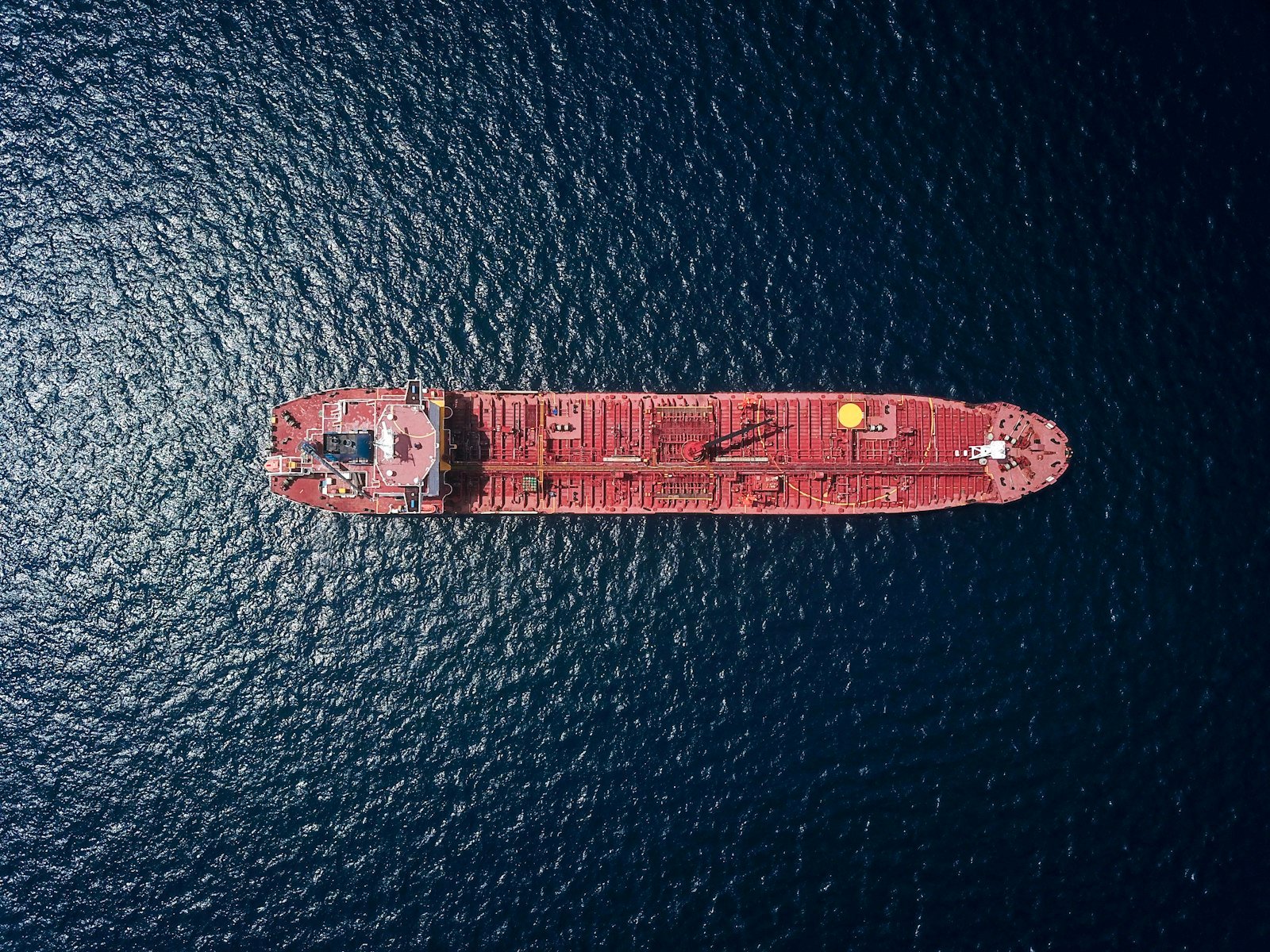
Shipping also remains under pressure. The U.K. Maritime Trade Operations center reported that two tankers were attacked in the Strait of Hormuz on Saturday, a day after another tanker was struck by a projectile. Before the war began with U.S.-Israeli strikes in February, about one-fifth of the world's oil and natural gas moved through the strait.
How Lawmakers Have Weighed In
In Congress, the debate over the war and a permanent Iran deal has largely split along party lines, with notable exceptions. On Thursday, the Senate rejected a House-passed war powers resolution by a vote of 48-51. Republican Sens. Susan Collins, Lisa Murkowski and Rand Paul voted with Democrats in favor, while Democratic Sen. John Fetterman voted against it.
War powers resolutions of this kind seek to end U.S. hostilities unless Congress authorizes them. Democrats will take control of the Senate in January after this month's midterm elections, in which voters cited the war and its economic toll as a top concern, CBS News reported.
On the administration side, Secretary of State Marco Rubio said last week that new strikes were not needed because sanctions were working, and Trump called new strikes unlikely, CBS News reported. Any permanent Iran deal that takes the form of a treaty would require approval by two-thirds of the Senate, though past agreements with Iran were not submitted as treaties.
What a Permanent Iran Deal Could Mean for You
For most households, the war's biggest day-to-day effect has been at the gas pump. AAA said on Nov. 19 that the national average for regular gasoline fell 18 cents in a week to $3.72 a gallon, though it remains more than 60 cents higher than a year earlier. By Friday, the daily national average was about $3.69, according to figures cited by 24/7 Wall St.
The Thanksgiving Day record is $3.58, set in 2022. AAA said prices could fall another 15 cents by the holiday and avoid a new record. U.S. crude oil settled at $83.62 a barrel on Friday, down 5.6% for the week and about 18% below its level a month earlier. You can track weekly retail prices from the U.S. Energy Information Administration.
Why the Strait of Hormuz matters to your budget
Fuel analysts cited more tankers moving through the Strait of Hormuz as one of four reasons for the recent drop, alongside lighter fall driving, cheaper winter-blend gasoline and the end of refinery maintenance season. Our analysis: a permanent Iran deal that reopens the strait could ease pressure on fuel costs, but no such agreement exists yet. Because the strait carries so much of the world's energy supply, news about talks, attacks or a lasting agreement can move oil prices quickly. See our recent report on gas prices today for more detail.
Practical steps to consider
- Fill up strategically: Prices have been falling, but until a permanent Iran deal is reached, headlines from the Gulf can reverse that trend within days.
- Watch heating costs: Oil and natural gas prices also affect winter heating bills, especially in the Northeast.
- Keep an eye on inflation data: Energy prices feed into consumer inflation, which influences Federal Reserve decisions on interest rates.
- Review your investments calmly: Energy stocks and broader markets can swing on war news. Avoid reacting to a single headline.
What Happens Next
No date has been set for direct talks on a permanent Iran deal, and Trump has said his next major decision on Iran may not come until after the new year. CBS News reported that the U.S. and Israel are also weighing possible short-term military options, with Israeli officials concerned about Iran rebuilding missile production.
Whether the push for a permanent Iran deal leads to formal negotiations will likely depend on the mediation efforts led by Qatar and Pakistan and on whether either side changes its conditions. For now, the administration says it wants a lasting agreement, while Tehran says Washington must move first.
This article is for information only and is not financial advice.
Sources: CBS News; Anadolu Agency (via Free Malaysia Today); Axios; AAA Newsroom; 24/7 Wall St.; U.S. Energy Information Administration (eia.gov).