Published November 22, 2026 · By
The Bessent Nvidia standoff moved into a new phase on Sunday, when Treasury Secretary Scott Bessent said his department still has not received answers from the chipmaker about whether restricted artificial intelligence chips ended up in China. Speaking in person on CBS News' "Face the Nation with Margaret Brennan," Bessent said the administration still needs those answers, with a Nov. 25 deadline he set last week now days away.
The interview also touched on last week's steep stock market selloff, recent bank technology outages and President Trump's new comments on overseas data centers. Here is what was said in the Bessent Nvidia exchange, how each side has framed the issue and what it could mean for your money.
Bessent Nvidia Update: What Treasury Said on Sunday
Brennan noted that Bessent had given Nvidia 10 days to respond during a Fox News interview the previous Sunday, when he referred to a "culture of non-compliance" at the company. Asked whether Treasury had the answers seven days later, a key test of the Bessent Nvidia deadline, Bessent replied that it did not. He said Treasury has been in contact with the company's temporary management, its lead directors and its lawyers, and that the answers are owed to the administration.
Brennan pressed Bessent on whether he had softened his earlier language. He said the key word in his earlier remarks was "possibility," and that the Nvidia board is moving quickly to establish whether such a culture did or did not exist. According to the CBS transcript, he said the company's committees will determine which level of the business knew about any chip transfers.
Tracing the money
In the Bessent Nvidia dispute, the secretary argued that large transactions leave a record even without formal paperwork. "For deals that size, there's no such thing as an untraceable handshake deal," he said, according to CBS News. He added that movements of money would show what happened.
On the question of whether the problem was one person's conduct or a broader failure, Bessent said investigators need to see who was in charge of compliance. CBS News reported that he also played down one line of attention in the case, focused on a woman named Alice Huang.
Jensen Huang's future
Bessent said Jensen Huang, Nvidia's co-founder and former chief executive, "is on the outside now," Politico reported. President Trump has said he would like Huang to return, and Bessent did not back that idea directly. He said officials have to see where the buck stops, and that national security investigations must be kept separate from Huang's personal situation.
In earlier Bessent Nvidia comments, the secretary said he favors an outside leader for the company. CBS News reported that Chief Financial Officer Colette Kress has taken charge since Huang's departure, and that Huang has agreed to testify before the Senate Banking Committee. House panels plan to interview him in early December. For background on the leadership fight, see our earlier report on the Nvidia CEO search.
Megaspeed, Chip Sales and the Bessent Nvidia Questions
A large part of the Bessent Nvidia discussion focused on Megaspeed, a Singapore-based company. Sen. Tom Cotton, R-Ark., has criticized Commerce Secretary Howard Lutnick over the matter. Bessent said officials will determine whether Megaspeed was a pass-through or front company. He said Nvidia removed Megaspeed from its sales list in August 2025, so it would not have received chips after that point.
Politico, citing Bloomberg trade records, reported that Megaspeed bought about $787 million of Nvidia's top chips in November 2025. Bessent said Treasury and several other departments have pushed for Megaspeed to be blacklisted.
The remote access rule
Beyond the Bessent Nvidia case itself, the secretary pointed to a recent Treasury "remote access rule" that limits access to advanced chips through leased computing capacity, and said it may matter more than a single blacklist. When Brennan listed Singapore, Malaysia, Thailand, Indonesia and Brazil as countries of concern, he agreed. Official Treasury announcements are posted on the U.S. Treasury press release page.
800,000 chips approved for China
Brennan cited documents released by the chairman of the House Foreign Affairs Committee showing that the Commerce Department approved more than 800,000 Nvidia and AMD AI chips for China, including for two companies linked to the Chinese military. Bessent said the president drew a hard line at Nvidia's H200 chips. He said the firms in question are companies that do business with the Chinese military, not the military itself.
Data centers and Taiwan
Later in the Bessent Nvidia segment, Brennan played Trump's remark from Friday that the United States is not allowing data centers to go into other countries because China would take them. Bessent said he had not spoken with the president about how that policy would work. He said Trump is concerned about a large technology transfer offshore, and noted that about 97% of high-end chips are made in Taiwan, which he called a strategic vulnerability.
He said Taiwan Semiconductor Manufacturing Co. is building plants in Arizona and that the administration hopes for substantial onshoring of chip production by the end of Trump's term. Asked whether the policy reverses U.S. support for data centers in Gulf allies such as the United Arab Emirates, Bessent said Trump was talking about American companies.
Bessent Nvidia Remarks Meet a Falling Market
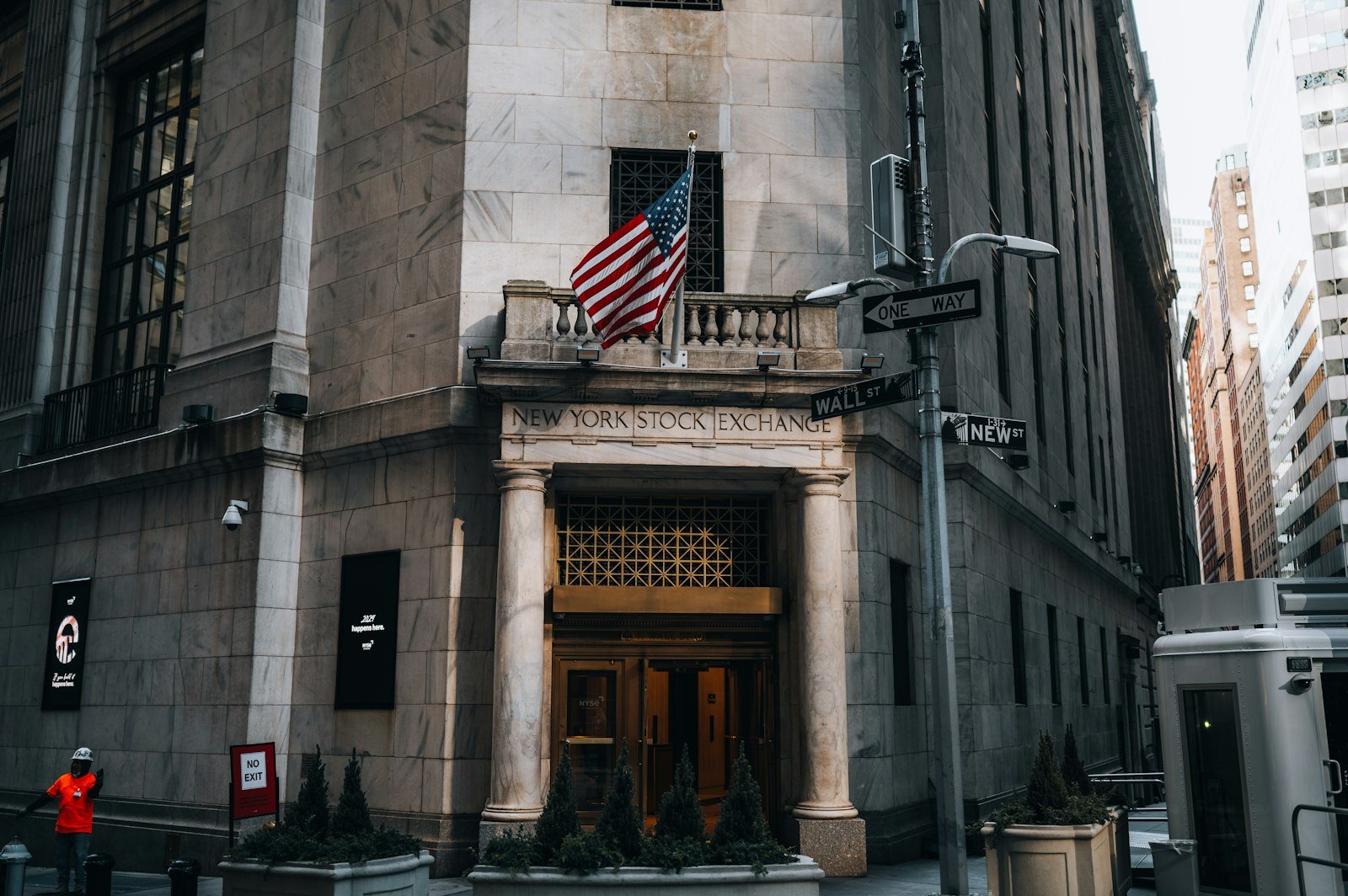
The interview came after a sharp week on Wall Street. On Friday, the Nasdaq Composite fell 5.28% and erased its gains for the year, according to Fox News. The S&P 500 dropped 3.7%, its seventh straight losing session, and the Dow Jones Industrial Average fell nearly 950 points. Both the S&P 500 and the Dow are now in correction territory, meaning at least 10% below their record highs. Nvidia shares fell roughly 14%.
Bessent said several factors drove the decline. In his account, the selloff began as Democrats moved ahead in the polls and accelerated after Election Day, and he said the Democratic position on slowing the AI buildout has worried investors. He also cited what he called very hawkish remarks from the Federal Reserve, saying the central bank may be making a policy mistake if it over-tightens.
What Democrats and others have said
Newly elected Democrats in Congress have promised to crack down on the AI industry, and incoming Democratic governors in Texas and Georgia have pledged to halt new data center construction, Fox News reported. Politico reported that incoming Democratic leaders plan to advance the Nvidia investigations when they take control in January. Markets expect the Fed to raise short-term rates next month, according to Fox News.
Bank outages
Brennan also asked about recent technology problems at large banks. Bessent said Americans should not worry, calling banks among the most resilient companies in the economy. He said the glitches came from banks patching systems against AI-driven threats and compared the disruption to a vaccine, with short-term discomfort followed by stronger defenses. Our earlier coverage of the Nasdaq selloff has more on the market backdrop.
What the Bessent Nvidia Fight Means for You
For most households, the main link to the Bessent Nvidia story is through retirement and investment accounts. Nvidia is one of the largest companies in the major stock indexes, so its swings move many 401(k) plans and index funds. The following points are our own analysis based on the reporting above.
- Watch Nov. 25. That is the Bessent Nvidia deadline for the company's answers. Whatever Treasury says next could move chip stocks again.
- Watch the Fed in December. If the Fed raises rates, borrowing costs on credit cards, car loans and some adjustable mortgages may rise. The schedule is on the Federal Reserve meeting calendar.
- Check your diversification. Funds heavy in technology have fallen more than broad funds. Reviewing how much of your savings sits in a few large tech firms can help you understand your exposure.
- Bank accounts. Bessent said banks remain resilient. If you have trouble with withdrawals or payments, keep records and contact your bank directly.
- Prices of devices. Tighter export rules and a push to make chips in the U.S. could affect the cost and supply of electronics over time, though no direct price effect has been announced.
Congressional hearings with Huang in December and the arrival of a Democratic-led Congress in January mean the Bessent Nvidia questions are likely to stay in the news. Both parties have backed tougher scrutiny of chip exports, though they differ on how the AI industry should be regulated.
This article is for information only and is not financial advice.
Sources: CBS News transcript; CBS News; Politico; Fox News; The Hill.