Published November 14, 2026 · By
The SNAP stocking rule that requires food-stamp retailers to carry a wider range of staple foods will not be enforced for at least 90 more days, after New York City Mayor Zohran Mamdani said Friday he reached a deal with President Donald Trump and Agriculture Secretary Brooke Rollins. The U.S. Department of Agriculture confirmed a 90-day compliance extension for SNAP-authorized stores nationwide, effective November 13, 2026.
The extension gives bodegas, corner stores and gas-station shops more time to meet tougher inventory standards. The SNAP stocking rule itself stays on the books. Here is what was decided, what each side said and what it means for shoppers and store owners.
SNAP Stocking Rule Delay: What Was Announced
Mamdani announced the delay on the afternoon of Friday, November 13. According to amNY, City Hall said the agreement came out of direct talks with the president, and the mayor said he personally spoke with both Trump and Rollins because the city was running out of time. He said the extension would begin immediately and apply to small retailers across the country, not only in New York.
The USDA's Food and Nutrition Service updated its official stocking standards page the same day. It states that, effective November 13, 2026, the department is providing a 90-day compliance extension for SNAP-authorized retailers to meet the standards in the May 2026 final rule. Mamdani's office described the window as lasting "at least" 90 days.
Enforcement of the SNAP stocking rule had been scheduled to begin on November 4. Counting 90 days from November 13 points to a new compliance date in mid-February 2027, though the USDA page does not list a specific end date. That calculation is our own estimate.
What the White House and USDA said
White House spokeswoman Allison Schuster said the action offers retailers that accept SNAP 90 additional days to comply, and said the president is willing to work with people who want to help their business communities, amNY reported. In a statement quoted by Newsweek, the USDA said: "Today, the Department will afford retailers 90 more days to get it right."
The department had earlier turned down calls to postpone the SNAP stocking rule. On November 3, a USDA spokesperson said the rules would take effect the next day and that compliance would be measured when stores apply for authorization or come up for reauthorization. The agency also noted that Congress directed stronger stocking standards in 2014.
What the SNAP Stocking Rule Requires
The USDA published the final SNAP stocking rule in the Federal Register on May 8, 2026, under the title "Updated Staple Food Stocking Standards for Retailers." Grocery Dive reported at the time that the update roughly doubles the earlier requirements. The department said the rule emphasizes whole foods, raises perishable requirements and closes loopholes for snack items.
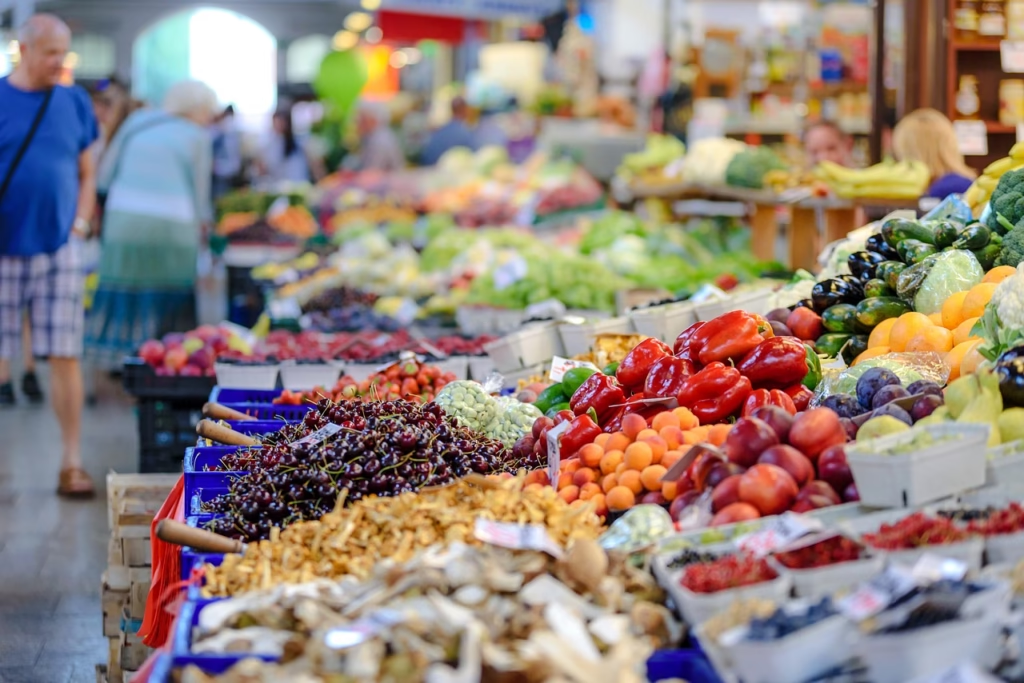
Under the SNAP stocking rule, most authorized stores must carry:
- At least seven varieties in each of four staple categories: dairy, grains, protein, and fruits and vegetables (up from three).
- Perishable items in at least three of those categories (up from two).
- At least three units of each qualifying variety, for a minimum of 84 stocking units.
Butter, jerky, cheese dips, snack bars and fruit spreads no longer count toward the staple-food minimum, according to the USDA's FAQ. Shoppers can still buy those items with SNAP benefits. Specialty stores such as butcher shops, fish markets and produce stands, along with farmers markets, are exempt.
What happens to stores that fall short
A store that does not meet the standards can be withdrawn from SNAP and must wait six months before reapplying, the USDA says. Existing retailers are generally reviewed every five years, so the SNAP stocking rule is checked at authorization and reauthorization rather than through a single nationwide inspection on one day.
Reactions to the SNAP Stocking Rule Extension
Mamdani, a Democrat, credited the Republican president for the decision. "I am grateful that President Trump has agreed to delay beginning enforcement of this rule," he said, according to amNY. He added that he would give credit to anyone whose decisions make life easier for working New Yorkers. Deputy Mayor for Economic Justice Julie Su said the city had promised bodega owners it would fight for them.
The National Association of Convenience Stores, which had lobbied for more time, welcomed the move. "Today's announcement is a victory for convenience retailers across the country," said Margaret Mannion, the group's director of government relations. She thanked Trump, Mamdani and Rollins. NACS says more than 117,000 convenience stores take part in SNAP, making up nearly half of all participating retailers.
Pressure came from both parties
Calls for an extension did not come from one side alone. In September, 12 U.S. senators, led by Republicans Jim Justice of West Virginia and Roger Marshall of Kansas, asked the USDA to push back the compliance deadline, amNY reported. In August, more than 200 convenience retailers sent a similar letter to Rollins.
Mamdani wrote to Rollins on November 2 asking for a six-month delay, to May 4, 2027. He warned that the SNAP stocking rule could strip SNAP authorization from many New York City bodegas and corner stores. The final agreement gives roughly half the time he requested.
Supporters of the stricter standards have argued they improve food options for families. When the rule was finalized in May, Health and Human Services Secretary Robert F. Kennedy Jr. said it asks more of retailers and gives better choices to families who rely on the program. The Food Industry Association and the National Grocers Association also welcomed the update at the time. The USDA has framed the policy as requiring stores that accept taxpayer-funded benefits to sell more real food.
By the Numbers
- 36 million+ Americans rely on SNAP, per figures cited by Newsweek and Mamdani.
- 250,000+ retailers are authorized to accept SNAP nationwide.
- About 10,000 bodegas and corner stores operate in New York City.
- 1.6 million New Yorkers receive SNAP, with more than $5 billion distributed each year in the city.
- 15% to 20% of a typical bodega's sales come from SNAP, according to bodega groups, with some Bronx owners reporting up to 30%.
New York City says it will work with the USDA, the Department of Small Business Services and the health department to reach store owners in their own languages, identify gaps in their inventory and connect them with distributors before enforcement begins.
What the SNAP Stocking Rule Delay Means for You
For most families using SNAP, nothing changes at the checkout today. The SNAP stocking rule does not cut benefit amounts or change what you are allowed to buy. It changes what stores must keep on their shelves to stay in the program. The delay mainly protects access: it lowers the near-term risk that a neighborhood store you depend on loses its ability to accept your EBT card.
If you shop with SNAP benefits
- Your benefits and eligible food list are unchanged by this decision. Snack bars, jerky and fruit spreads can still be bought with SNAP.
- If you rely on a small corner store, it is worth asking whether the owner plans to meet the new standards by February. If not, identify a backup store nearby.
- Separate federal changes to SNAP eligibility are still moving forward. Our earlier coverage of the proposed SNAP eligibility rule explains who could be affected.
If you own or manage a small store
- Use the extra time to audit your shelves against the seven-variety, four-category and 84-unit thresholds in the SNAP stocking rule.
- Check the USDA's FAQ and compliance calculator, and contact the agency's retailer office with questions.
- Remember that losing authorization means a six-month wait before you can reapply, which could mean lost sales during that period.
What to watch next
The key question is whether the USDA holds firm on the SNAP stocking rule when the extension runs out. Analysts quoted by Newsweek said the real test comes in February 2027. Watch for updated USDA guidance, any further requests from lawmakers or retail groups, and how other federal benefit changes, such as the Medicaid work requirements starting in January, affect household budgets in the same period.
This article is for information only and is not financial or legal advice.
Sources: USDA Food and Nutrition Service; amNY; Newsweek; ABC7 New York; NACS; Grocery Dive.