Published November 14, 2026 · By
The Dow Jones Industrial Average edged up 50.46 points, or 0.1%, to 52,347.55 on Friday, November 13, closing out a volatile week with a gain of about 2% even as Nvidia's leadership crisis kept pressure on technology shares. The broader S&P 500 slipped 0.4% on the day but rose roughly 2.5% for the week, its first weekly advance since early October and its biggest since August, according to the Associated Press.
Behind the headline numbers, bond yields kept climbing, wholesale inflation stayed near a four-year high and investors continued to bet that the Federal Reserve will raise interest rates in December. Here is what happened, what analysts said and what it means for your money.
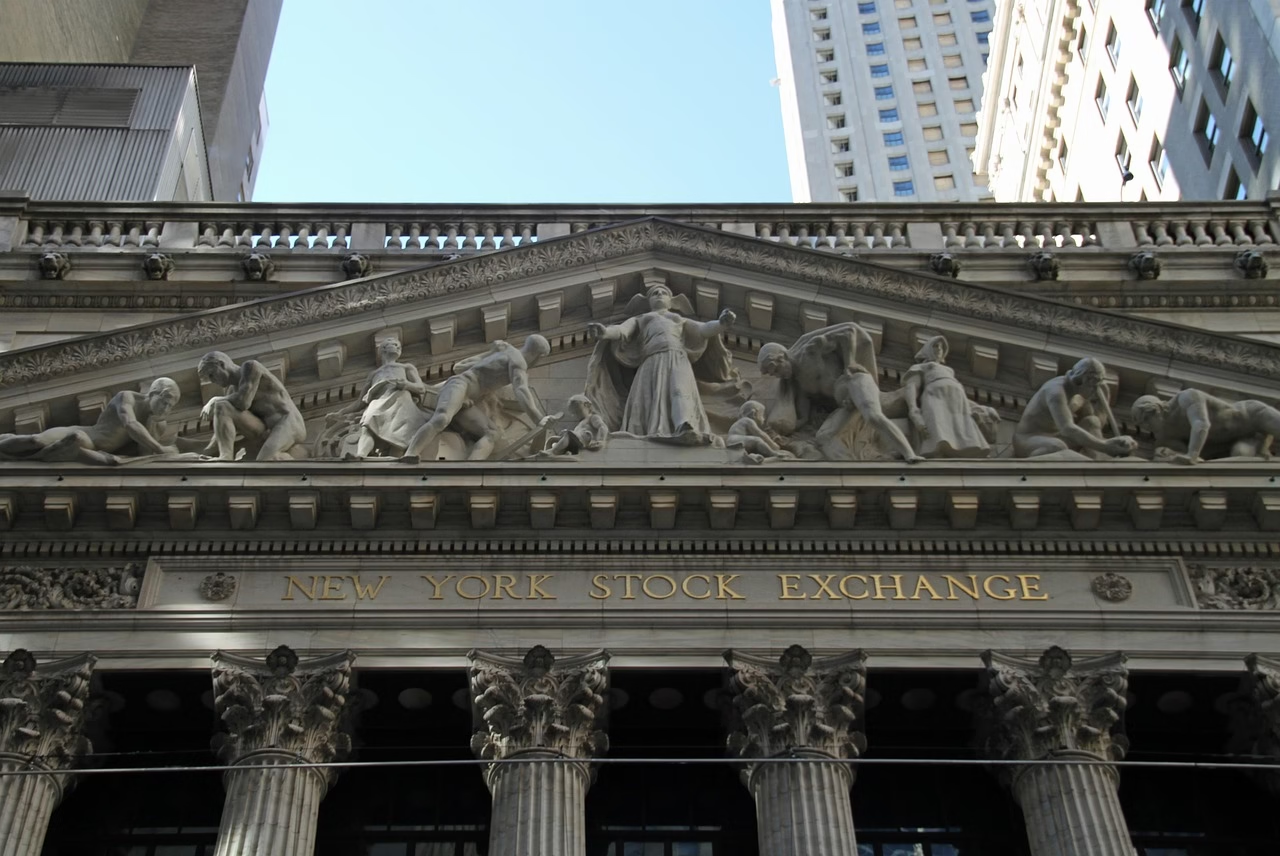
Dow Jones Closes Friday Higher as Tech Shares Slip
Friday's session was uneven. The Dow Jones recovered from an early slide to finish slightly in positive territory, while the Nasdaq composite fell 229.82 points, or 0.9%, to 25,136.27. The S&P 500 lost 30.73 points to end at 7,561.67, leaving it up 10.5% for the year so far.
The split reflected how much weight a handful of large artificial intelligence companies carry in the major indexes. More than 60% of stocks in the S&P 500 rose on Friday, the AP reported, yet the index still fell because the biggest tech names moved lower. The Dow, which tracks 30 large companies and weights them by share price rather than market value, was less exposed to the chip sell-off.
Friday's closing numbers at a glance
- Dow Jones Industrial Average: 52,347.55, up 50.46 points (0.1%)
- S&P 500: 7,561.67, down 30.73 points (0.4%); up about 2.5% for the week
- Nasdaq composite: 25,136.27, down 229.82 points (0.9%); first weekly gain in five weeks
- 10-year Treasury yield: 5.15%, up from 5.10% late Thursday
- 2-year Treasury yield: 4.87%, up from 4.86%
- Brent crude: settled at $95.84 a barrel
Healthcare and financial stocks offset chip losses
Gains in healthcare and financial shares helped steady the Dow Jones. Eli Lilly rose 1.3%, and payment networks Visa and Mastercard each closed 1.3% higher, according to the AP. Microsoft added 0.2% despite a global outage of its web services that disrupted email and other applications during the day.
Nvidia Turmoil Weighs on the Dow Jones Week
The week was dominated by the fallout from Jensen Huang's resignation as Nvidia's chief executive. The AP reported that Huang stepped down after an affair with a Chinese technology executive raised U.S. national security concerns. Longtime Chief Financial Officer Colette Kress is serving as interim CEO. The episode erased just under $600 billion from Nvidia's market value over the week, the AP said.
Nvidia, a Dow Jones component, fell another 2% on Friday, and Yahoo Finance reported that the stock lost roughly 12% for the week, pushing its market capitalization back below $4 trillion. Other chipmakers that had rallied earlier in the week reversed sharply: Advanced Micro Devices dropped 8.8% and Broadcom fell 4.8%. HSBC analyst Frank Lee downgraded Nvidia to Hold and cut his price target to $170 from $365, saying investor confidence had been shaken, Yahoo Finance reported. Nvidia is scheduled to report quarterly earnings on Tuesday, November 17.
Angelo Kourkafas, senior global strategist at Edward Jones, wrote in a research note cited by the AP that Nvidia's pullback illustrates the concentration risk in a market where a few mega-cap tech stocks generate an outsized share of returns. For earlier coverage of the session, see our report on the stock market today and the chip rout.
Treasury Yields and Inflation Data Shape the Dow Jones Outlook
While the Dow Jones and other indexes finished the week higher, the bond market sent a different signal. The 10-year Treasury yield, which influences mortgage rates, rose to 5.15% on Friday after touching 5.17% during the session, its highest level since October, according to Yahoo Finance. The 2-year yield, which closely tracks expectations for Fed policy, edged up to 4.87%.
Friday's wholesale inflation report added to the picture. The Bureau of Labor Statistics said its Producer Price Index for final demand rose 0.3% in October, below the 0.4% economists expected, after a 1.4% jump in September. Over the past 12 months, producer prices climbed 6.5%, the largest annual increase since November 2022. Core producer prices, which exclude food, energy and trade services, rose 0.5% for the month and 4.9% from a year earlier.
What analysts said about the Fed
The AP reported that economists overwhelmingly expect the Fed to raise its benchmark rate at its December meeting, with another increase likely in January. The central bank held rates steady at its most recent meeting after an earlier hike. Consumer inflation remains well above 3%, compared with the Fed's 2% target, and higher energy costs linked to the U.S. war with Iran have pushed up gasoline and shipping prices. A rate increase would also raise borrowing costs for the large companies in the Dow Jones and for businesses across the economy.
Chris Osmond, chief investment officer at Fifth Third Wealth Advisors, wrote that price increases are spreading into the broader economy. "If that continues, it becomes much harder for the Fed to simply look through inflation as temporary," he said in a note cited by the AP. Skyler Weinand, chief investment officer at Regan Capital, told The Epoch Times that this week's consumer price data set the stage for another December hike. Fed Governor Michelle Bowman said in a speech earlier in the week that rate increases may be needed because inflation pressures have lasted longer than she had hoped, Yahoo Finance reported.
Oil swings after Trump's Iran remarks
Energy markets stayed jumpy. Brent crude rose early Friday before easing to settle at $95.84 a barrel, a day after President Donald Trump said the United States did not "need a deal with Iran." Brent traded near $72 in late February, before the conflict began, according to the AP.
What the Dow Jones Rally Means for You
A weekly gain in the Dow Jones and the S&P 500 is welcome news for anyone with a 401(k), IRA or brokerage account, but the details matter. The following points are our own analysis based on the data above.
Retirement accounts and index funds
If you own a broad S&P 500 index fund, you likely finished the week ahead despite Nvidia's slide, and funds that track the Dow Jones gained about 2%. However, Friday showed how heavily a few large tech companies can sway those funds. Investors who want to understand their exposure can check the top holdings of their funds, which are usually listed on the fund company's website. Our earlier piece on 2027 401(k) contribution limits explains how much you can save in tax-advantaged accounts next year.
Mortgages, car loans and credit cards
The bigger story for many households may be the bond market. A 10-year yield above 5% tends to keep mortgage rates elevated, which affects home buyers and anyone hoping to refinance. If the Fed raises rates in December as economists expect, rates on credit cards and other variable-rate loans typically rise soon afterward. Paying down high-interest balances before then could reduce costs.
Savers and the week ahead
Higher rates have an upside for savers: yields on high-yield savings accounts, certificates of deposit and short-term Treasury bills generally follow Fed policy. In the coming days, investors will watch Nvidia's earnings report on November 17 and any new comments from Fed officials ahead of the December meeting. Both could move the Dow Jones and the wider market.
This article is for information only and is not financial advice.
Sources: Associated Press (via Northern Virginia Daily); Yahoo Finance; The Epoch Times; U.S. Bureau of Labor Statistics, Producer Price Index news release for October 2026.