Published November 22, 2026 · By
SNAP spending fell by about $1.08 billion in a single month compared with a year earlier, according to the latest federal data from the U.S. Department of Agriculture. The Supplemental Nutrition Assistance Program paid out roughly $6.70 billion in benefits in August 2026, down from about $7.79 billion in August 2025, while the number of people receiving help dropped by more than 5.5 million.
The numbers, first highlighted by Newsweek on Saturday, come as new work requirements from the 2025 tax and spending law take hold in states across the country. Here is what the data show, how each side explains the decline, and what it means for families who rely on food aid.
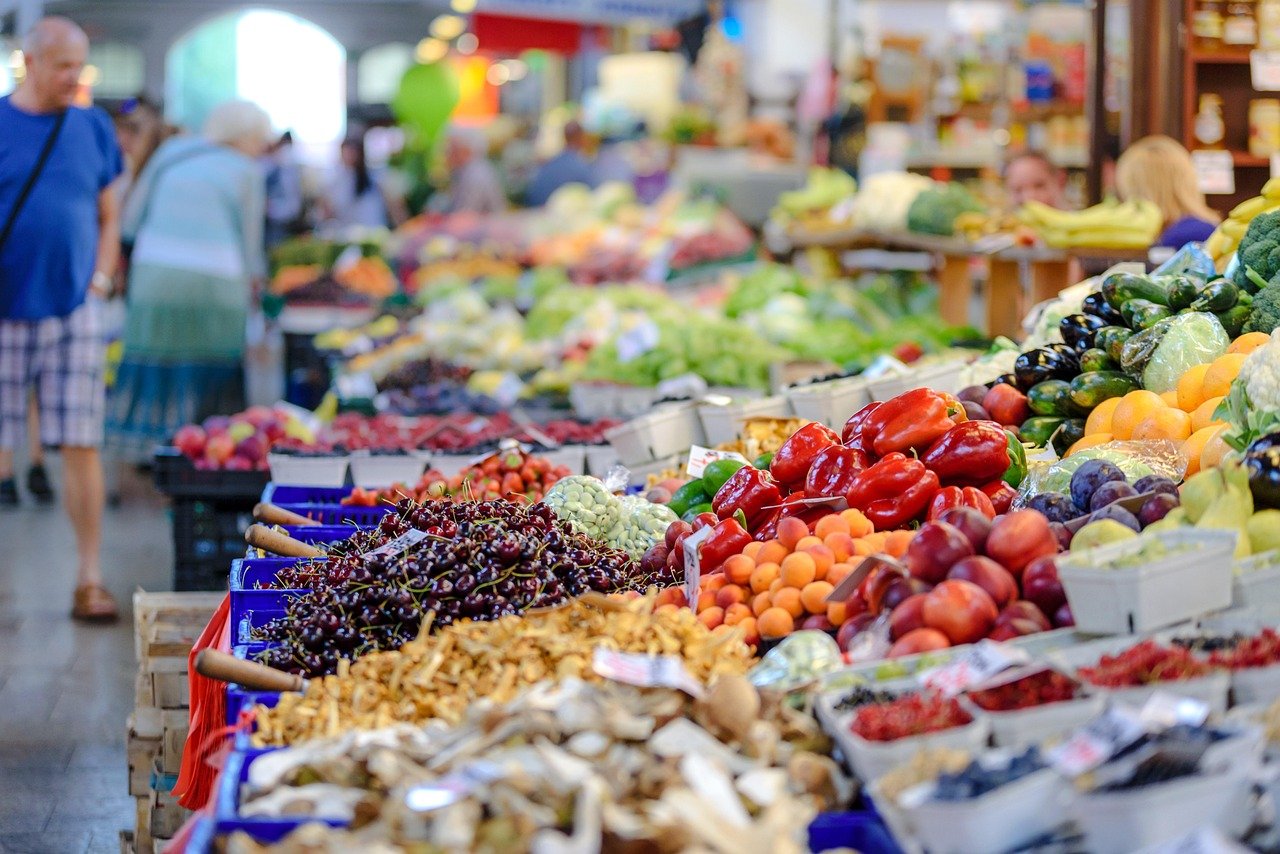
SNAP Spending Drops 13.9% in One Year
The USDA's national summary table, with data as of Nov. 13, shows benefit costs of $7,785,648,310 in August 2025 and $6,704,767,948 in August 2026. That is a year-over-year decline in SNAP spending of about 13.9%. Newsweek reported the same figures, rounding them to $7.79 billion and $6.70 billion.
Participation fell even more sharply in raw numbers. About 41.4 million people received SNAP in August 2025. By August 2026, the total was roughly 35.9 million, a drop of about 5.56 million people, or 13.4%. The number of households on the program fell from about 22.3 million to 19.5 million over the same period.
The average monthly benefit per person barely moved, slipping from $187.97 to $186.95. In other words, the lower SNAP spending reflects fewer people in the program, not smaller checks for those who remain. The USDA notes that its fiscal 2026 figures are preliminary and subject to revision.
The longer trend since January 2025
The slide in SNAP spending and enrollment did not begin this summer. USDA data show about 42.4 million participants in January 2025. The Food Research & Action Center, an anti-hunger advocacy group that tracks the federal numbers, says participation is down roughly 6.3 million since then. For context, the program spent about $95.8 billion on benefits in fiscal year 2025 and served an average of about 42.1 million people a month.
Where SNAP Spending Fell the Most
The drop in SNAP spending has been uneven across the country. According to Newsweek's review of the USDA figures, Arizona saw the steepest change: the number of recipients fell by almost half, and benefit spending in the state dropped from just over $160 million in August 2025 to about $81.7 million a year later.
Seven other states, including Oklahoma, Nebraska, Florida, Massachusetts, Nevada, Illinois and Kansas, recorded declines in SNAP spending of 20% to 30%. Only two states posted increases: Wisconsin, up about 13%, and Maryland, up about 0.1%.
In raw numbers, FRAC's tracker shows Texas with the largest participation loss, about 684,000 people (20%) between July 2025 and July 2026, followed by Florida at about 630,000 (22%). California, New York, Michigan and Pennsylvania each lost more than 200,000 participants over that period.
Why SNAP Spending Is Falling
The main policy change behind lower SNAP spending is the budget reconciliation law signed in July 2025, which Republicans called the One Big Beautiful Bill. It expanded SNAP work requirements nationwide. The law raised the upper age for the work rules from 59 to 64 and requires covered adults to work, train or take part in other qualifying activities for at least 80 hours a month to keep benefits beyond a short time limit.
It also removed exemptions that had applied to veterans, people experiencing homelessness and young adults who aged out of foster care. Parents whose youngest child is 14 or older are now subject to the work or training conditions as well.
States put the rules in place on different timelines. Newsweek reported that Arkansas, Indiana and Wisconsin moved almost immediately, while California and Washington, D.C., aligned with the new rules in June 2026. That staggered rollout helps explain why SNAP spending fell much faster in some states than in others.
Other factors cited by the USDA
A USDA spokesperson told Newsweek that the program remains available to anyone who qualifies, describing SNAP as a means-tested entitlement under which eligible households receive benefits. The spokesperson said people may leave the program for a range of reasons, including finding a job, changes in household circumstances, the recertification process, or simply losing interest in participating.
What Each Side Says
The Trump administration presents the decline in SNAP spending as a sign that its policies are working. In a June 2026 release, the White House said "dependency" on the program was falling and argued that the new work requirements protect benefits for Americans who need them most. Agriculture Secretary Brooke Rollins wrote in an April opinion piece in The Hill that the administration had been working to reform the program so it serves families in need.
Anti-hunger advocates see the numbers differently. FRAC attributes the steep drop in participation and SNAP spending after July 2025 directly to the reconciliation law. Kyle Ross, a senior policy analyst at the Georgetown Center on Poverty and Inequality, wrote in an October analysis that early evidence suggests many people losing benefits are not ending up better off. Advocates have warned that families leaving the program may struggle to afford groceries and other basics.
The debate is likely to continue in Washington. The USDA has separately proposed a rule that could further narrow eligibility, which we covered in our report on the SNAP eligibility rule and its estimated impact on 6.3 million people. Democrats will hold majorities in both chambers of Congress starting in January.
What It Means for You
Lower SNAP spending at the national level does not change the benefit amount for any single eligible household. But the rules that drive the decline can affect whether you keep your benefits. Here is what current and potential recipients should know.
If you currently receive SNAP
- Check whether the work rules apply to you. Adults ages 18 to 64 without qualifying exemptions may need to log 80 hours a month of work, training or volunteering.
- Watch your mail and online account. Missing a recertification notice or interview is a common way households lose benefits even when they still qualify.
- Report changes on time. New jobs, changes in hours or a new household member can affect eligibility and the amount you receive.
- Ask about exemptions. Medical conditions, pregnancy and caring for a young child or a disabled person can still exempt some adults, depending on your state's rules.
If you lost benefits or think you qualify
You can reapply at any time through your state SNAP agency. If your benefits were cut and you believe it was a mistake, you generally have the right to request a fair hearing. The USDA's Food and Nutrition Service lists state contacts and program rules on its official SNAP page, and its monthly SNAP data tables show national and state figures.
The bigger picture for household budgets
Our analysis: for families near the eligibility line, a lost SNAP benefit averaging about $187 per person each month can be a significant hit, especially with holiday food costs rising. Food banks, school meal programs and WIC remain options for many households. Similar work rules are also coming to Medicaid; see our explainer on Medicaid work rules and the delayed enforcement date.
What to watch next
The USDA updates its SNAP tables monthly, so September and October figures should show whether the fall in SNAP spending is leveling off or continuing. States that implemented the work rules more recently, such as California, may see further drops in the months ahead. Any changes Congress makes to the 2025 law next year could also shift the trend.
This article is for information only and is not financial or legal advice. Check with your state SNAP agency about your specific situation.
Sources: U.S. Department of Agriculture, Food and Nutrition Service, SNAP National View Summary FY23–FY26 (data as of Nov. 13, 2026); Newsweek, "SNAP benefits spending falls by more than $1 billion" (Nov. 21, 2026); Food Research & Action Center, SNAP Participation Data Dashboard.