Published November 13, 2026 · By
A rare FAA ground stop halted departing flights at every U.S. airport on Friday afternoon, November 13, after a communications failure hit the regional centers that guide planes between cities. The Federal Aviation Administration said it acted "due to extraordinary circumstances and for reasons of safety." Flight-tracking data showed thousands of delays and nearly 2,000 cancellations within hours, and federal officials said they had seen no sign of an attack.
The FAA ground stop is the first nationwide halt of its kind since January 2023. Below is what is known so far, what officials have said, and what the disruption could mean for travelers and their money.
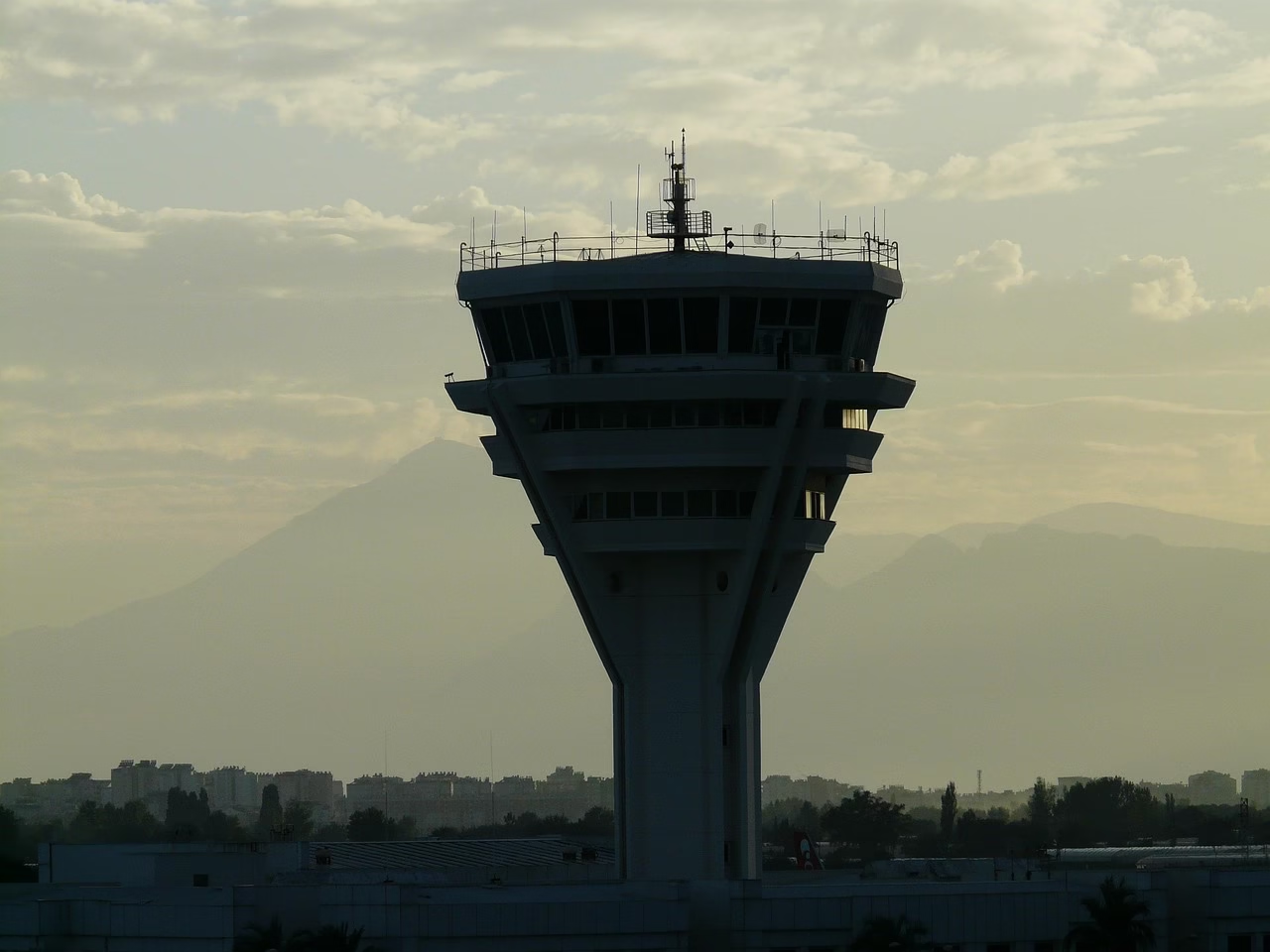
What Happened in the FAA Ground Stop
The FAA ground stop order came from the agency’s Air Traffic Control System Command Center on Friday afternoon. According to the advisory quoted by Fox Business and Newsweek, all departing traffic was to remain on the ground "until further notice," while inbound international flights would be handled case by case. The notice was posted on the FAA’s National Airspace System Status page, the agency’s official source for airport delays.
Scripps News reported that during the FAA ground stop, flights already in the air were allowed to continue to their destinations. Just after 5 p.m. Eastern time, the FAA said on social media that every flight had been accounted for, according to USA Today’s live coverage.
Timeline of the outage
Reports of trouble that led to the FAA ground stop began in the middle of the afternoon on the East Coast. USA Today reported that the FAA advisory listed an effective window from 3:54 p.m. to 11:30 p.m. Eastern time, though the paper noted that the listed end time did not guarantee flights would resume by then. Los Angeles International Airport said departures stopped at about 1:45 p.m. Pacific time, according to a spokesperson quoted by USA Today.
As of early Friday evening Eastern time, the FAA had not announced an estimate for a return to normal operations. Travelers should treat any reported end time as provisional until the agency updates its status page.
Why the FAA Ground Stop Was Ordered
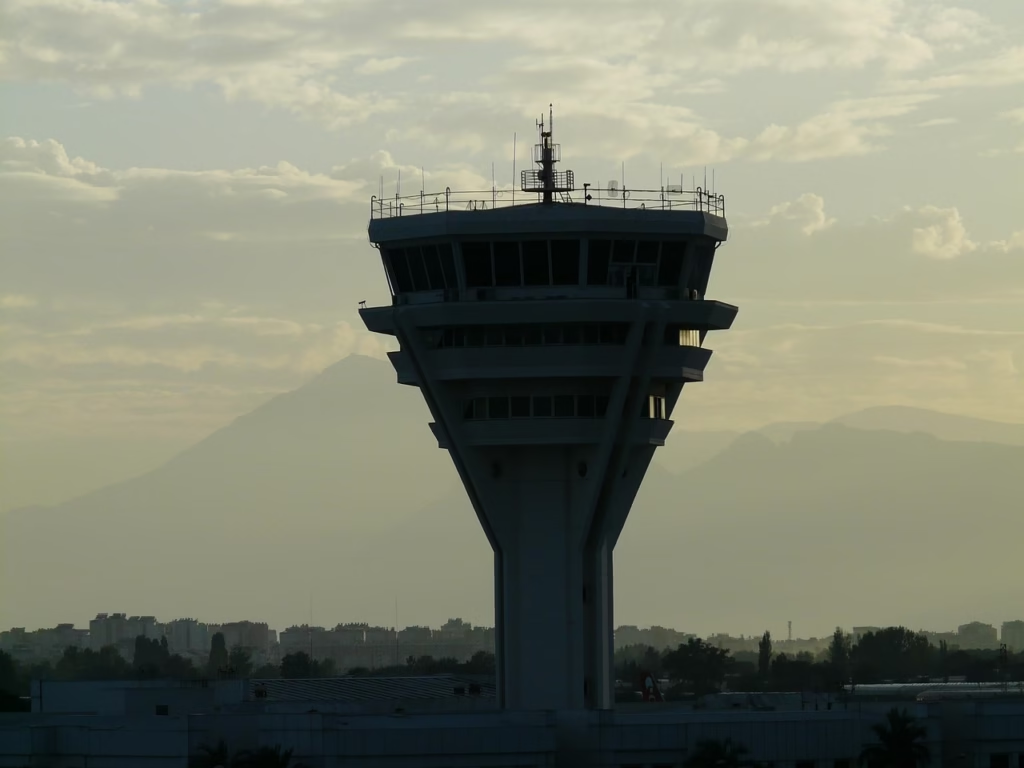
Transportation Secretary Sean Duffy said in a post on X that the FAA issued the nationwide ground stop after a communication issue affected all Air Route Traffic Control Centers. Those centers handle aircraft at cruising altitude as they move between regions. Duffy added that "FAA technicians are investigating the issue."
The FAA’s advisory referred to frequency issues across the National Airspace System, according to USA Today, while flight-tracking firm Flightradar24 attributed the order to an equipment outage. No official source had named the specific system that failed at the time of writing.
What federal officials said
Homeland Security Secretary Markwayne Mullin, speaking to reporters outside the White House, described the problem as a telecommunications outage within the FAA. He said there was no indication so far that it was a malicious attack, and that planes were held on the ground out of an abundance of caution.
Asked about a possible cyber intrusion, Mullin said officials were not ruling anything out, according to USA Today. He also said he saw no reason to connect the FAA ground stop to a separate Microsoft Outlook disruption reported the same day. Mullin said restoring communications was the top priority and that a priority list would govern arrivals as operations resume.
Lawmakers and the industry
Statements from congressional leaders of either party had not been widely reported in the coverage Meridian Pioneer reviewed at the time of writing. The outage arrives as the White House and the Transportation Department ask Congress for an additional $30.1 billion in air traffic control funding for FAA systems and airports, a request lawmakers are still weighing.
Airlines had not issued detailed public estimates of what the FAA ground stop cost them by early Friday evening. Most carriers directed passengers to their apps and websites for rebooking and status updates.
How Big Is the FAA Ground Stop Disruption?
Counts varied by source and time stamp because cancellations were rising quickly. Here is what the main trackers reported Friday:
- FlightAware (via AFAR, around 5:45 p.m. ET): more than 10,000 U.S. flights delayed and 1,948 canceled.
- Reuters (via USA Today): nearly 7,000 flights delayed or canceled combined.
- Cirium (via AFAR): about 11,000 flights were still scheduled to leave U.S. airports Friday as of 4 p.m. ET.
- ABC News (5:57 p.m. ET update): more than 1,000 flights canceled.
The FAA itself had not released an official count of flights hit by the FAA ground stop. Because Friday is one of the busiest travel days of the week, knock-on cancellations could continue into the weekend as airlines reposition aircraft and crews. That last point is Meridian Pioneer’s analysis, not an official forecast.
How this compares with past halts
The last nationwide ground stop came on January 11, 2023, when the FAA’s Notice to Air Missions (NOTAM) system failed. USA Today reported that contractors accidentally deleted a file during a database synchronization; departures were held for roughly two hours that morning. Before 2023, the previous nationwide stop followed the September 11, 2001, attacks.
After the 2023 failure, the FAA added safeguards to its database updates and later launched a rebuilt NOTAM service. Friday’s FAA ground stop appears to involve a different part of the system, the communications used by the en route control centers, based on the official statements so far.
FAA Ground Stop: What It Means for You
If your flight was affected by the FAA ground stop, the most important rules involve refunds, rebooking and what airlines owe you. Here is a practical guide based on current Department of Transportation rules.
Refunds for canceled or delayed flights
Under DOT’s airline refund rules, you are entitled to a cash refund if your airline cancels or significantly changes your flight and you choose not to travel or accept an alternative. A significant delay means a departure or arrival change of three hours or more on domestic flights, or six hours or more on international flights.
The refund applies regardless of the cause, including an air traffic control outage such as the FAA ground stop. Refunds must go back to your original form of payment: within seven business days for credit card purchases and within 20 calendar days for other payment types. You are not required to accept a voucher or travel credit instead of cash.
Meals, hotels and rebooking
Meal and hotel vouchers are a different matter. They depend on each airline’s own customer service commitments, which DOT lists on its public dashboard. Many airlines limit those extras to delays the carrier controls, such as maintenance or crew problems, so delays from the FAA ground stop may not qualify. Ask the airline directly and save every receipt.
Rebooking on the same airline is usually free in a mass disruption, and many carriers issue travel waivers that let you change dates without a fee. Check your airline’s app first, since phone lines and airport counters tend to back up quickly.
Practical steps right now
- Check your flight status in the airline app and on the FAA status page before heading to the airport.
- If you no longer want to travel, request a refund in writing rather than accepting a credit.
- Keep boarding passes, receipts and screenshots of delay notices.
- If an airline refuses a refund you are owed, you can dispute the charge with your card issuer; our guide to the credit card dispute 60-day rule explains the deadlines.
- You can also file a complaint with the Department of Transportation.
What to Watch After the FAA Ground Stop
Key questions remain open: what exactly failed, how long full recovery will take, and whether federal investigators confirm that no outside interference was involved. Officials have said they are still investigating, and further updates are expected from the FAA, DOT and DHS.
The outage may also come up in the ongoing congressional discussion of air traffic control modernization funding. How lawmakers of both parties respond is one of the next developments to follow.
This article is for information only and is not financial or legal advice.
Sources: Federal Aviation Administration (nasstatus.faa.gov); U.S. Department of Transportation (transportation.gov/airconsumer); PBS NewsHour/Associated Press; CBS News; ABC News; USA Today; Scripps News; Fox Business; Newsweek; AFAR (citing FlightAware and Cirium).