Published November 13, 2026 · By
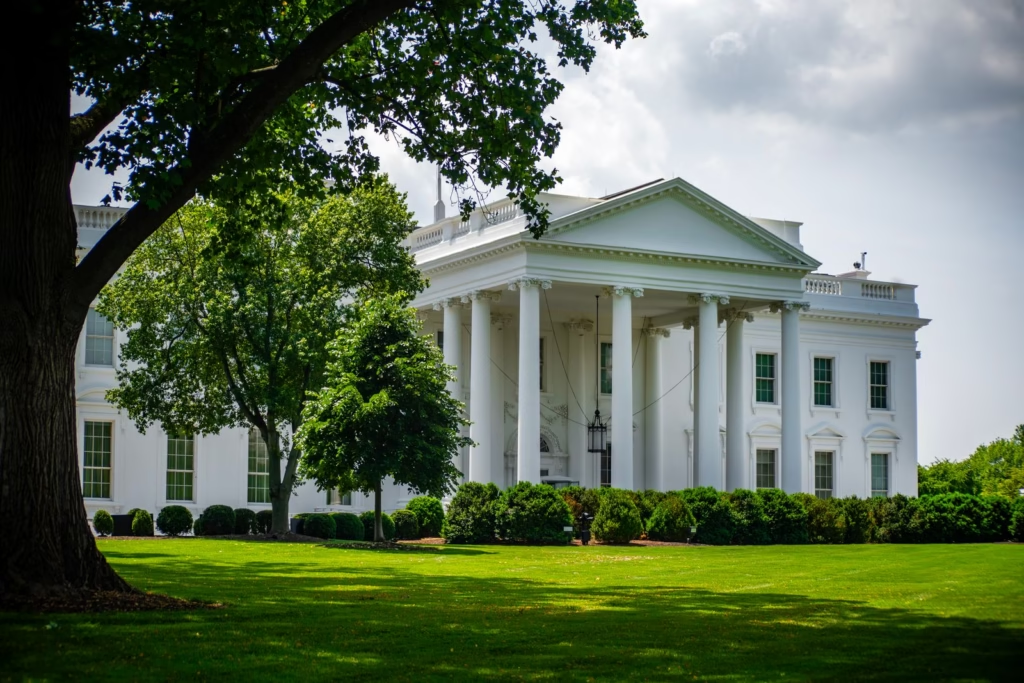
White House lobbyists now face a new gatekeeper: under a memo from Chief of Staff Stephen Miller, White House staff must get prior approval from the Office of White House Counsel before meeting with registered lobbyists. For White House lobbyists, the change means every policy meeting with staff now needs a sign-off. The memo went out Thursday night, according to UPI, and was first reported by Politico. It is one of Miller's first major internal directives since President Donald Trump named him chief of staff on November 6, replacing Susie Wiles after Republicans lost control of Congress in the midterm elections.
Below is what the memo requires for White House lobbyists, what officials and lobbyists said, how it compares with past practice and what the change could mean for ordinary Americans.
What the New Rule on White House Lobbyists Says
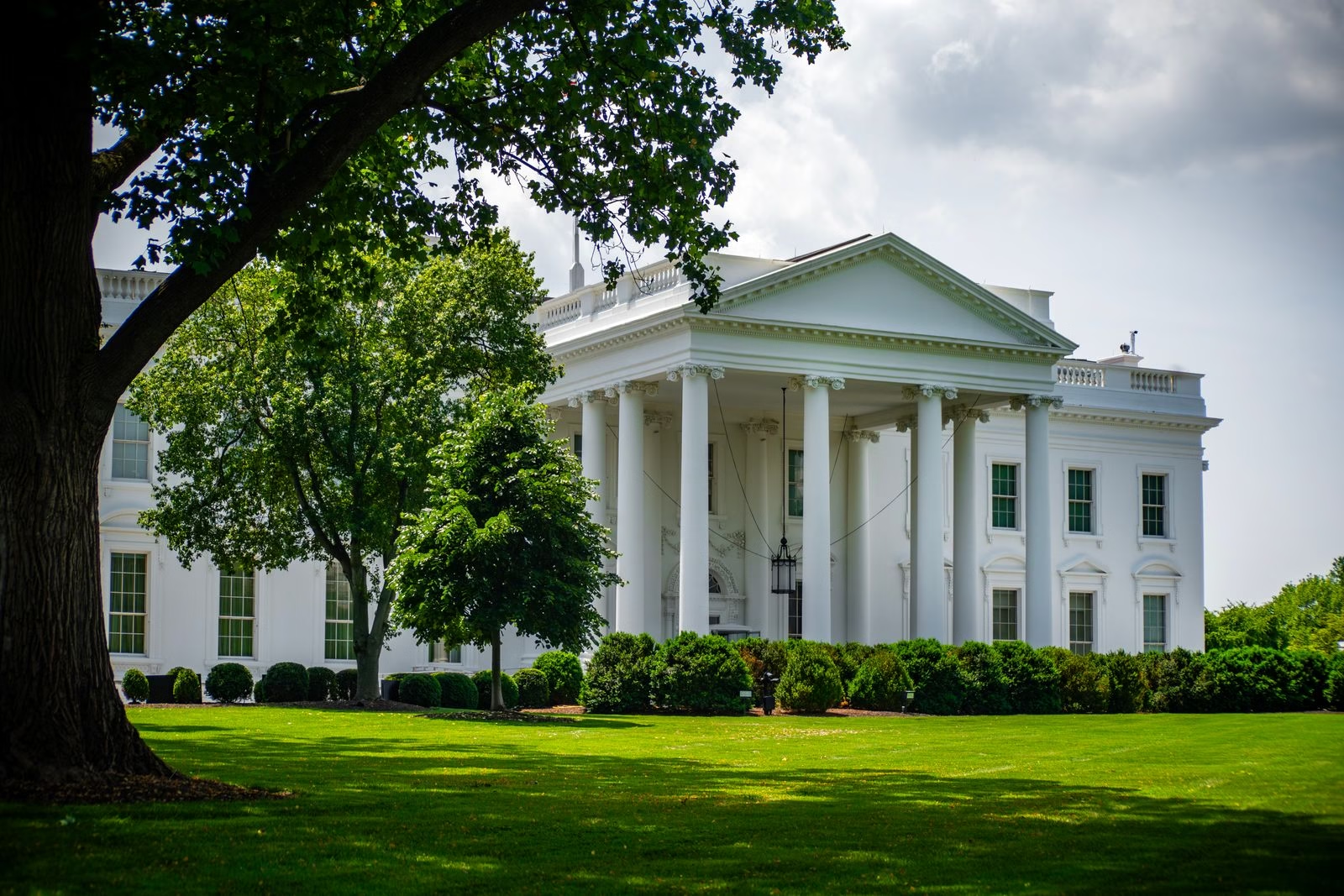
According to reports by UPI, the Daily Caller and CDM, all of which cite the memo as described by Politico, the core requirement is simple. A White House staff member who wants to meet with a registered lobbyist about government policy must first clear that meeting with the Office of White House Counsel. CDM reported that the rule covers meetings on the White House complex that deal with policy affecting the administration.
The memo does not ban outside groups from trying to influence the administration. CDM noted that the Office of Public Liaison remains the main point of contact for outside organizations. What changes is the process: staff can no longer schedule meetings with White House lobbyists on their own.
The memo's stated reasoning
The memo frames the rule around the president's priorities. It opens by praising Trump's commitment to the public and then says staff are "expected to dedicate their time unwaveringly to the working people of the nation," according to the text quoted by UPI. The reports reviewed for this article did not describe specific penalties for staff who skip the approval step, and they did not list exceptions beyond the role of the Office of Public Liaison.
Who is covered
The directive applies to White House staff, not to every federal employee. Cabinet departments and independent agencies have their own ethics officials and rules. Based on the reporting so far, the memo targets meetings with White House lobbyists who are registered, meaning people who have filed under the federal Lobbying Disclosure Act, rather than every outside visitor to the complex.
How White House Lobbyists and Officials Responded
The White House defended the change. Spokeswoman Taylor Rogers told Politico that the president's loyalty "is to the American people, not lobbyists," according to CDM and the Daily Caller. The Daily Caller reported that the statement added that the team is focused on the president's agenda rather than that of Washington lobbyists.
About a dozen Republican lobbyists spoke with Politico about the memo, according to UPI and CDM. Several said Miller is known for focusing on policy and loyalty to the president rather than on personal relationships with K Street. Hunter Morgen, a Ballard Partners lobbyist who worked with Miller earlier, said Miller does not operate based on relationships, UPI reported. Another lobbyist, who was not named, described Miller as very hard to lobby.
Not every reaction was negative. One unnamed lobbyist told Politico that Miller is more reasonable than he is sometimes portrayed but is not swayed by lobbying, UPI reported. Some firms are reportedly shifting their outreach toward staff at the Domestic Policy Council and the National Economic Council, according to the Daily Caller and CDM.
Reactions from Congress
As of Friday afternoon, the articles reviewed for this report did not include public statements on the memo from Democratic or Republican members of Congress or from government ethics groups about the new limits on White House lobbyists. Meridian Pioneer will update this story if lawmakers or watchdog groups weigh in.
Why the Shift From Susie Wiles Matters
For White House lobbyists, the memo marks a change in style from Miller's predecessor. Wiles, a former lobbyist at Ballard Partners, was Trump's longest-serving chief of staff and the first woman in the role, according to the Associated Press. She submitted her resignation on November 5, the AP reported, and Trump said she would keep working for his political organization.
CDM and the Daily Caller reported that Wiles had worked to maintain relationships with outside interests. A spokesperson for Wiles said she understood the importance of strong relationships and described Trump as a very relational person, according to those reports. Miller, by contrast, joined Trump's 2016 campaign as a speechwriter, later served as White House deputy chief of staff, and has been a central figure in the administration's immigration policy, according to the AP.
For background on other recent internal directives from the administration, see our report on the Justice Department's English only directive to federal agencies.
Earlier Questions About White House Lobbyists and Ethics
The role of White House lobbyists and former lobbyists in the second Trump administration had already drawn scrutiny before this week. In February 2026, Democratic Sens. Elizabeth Warren and Andy Kim and Reps. Pat Ryan and Deborah Ross asked inspectors general at 16 federal agencies to examine whether former lobbyists serving in the administration had broken ethics rules to help past clients, CBS News reported.
That letter cited a Campaign Legal Center count of at least 21 former lobbyists appointed to key roles as of April 2025, according to CBS News. The White House rejected the criticism at the time. White House spokesperson Karoline Leavitt called the letter a "non-story" and said Wiles had complied with all legal and ethical requirements, CBS reported. The Justice Department said Attorney General Pam Bondi follows the highest applicable ethical obligations.
The new memo addresses a different question. The February letter focused on officials who used to be lobbyists, while Miller's rule governs contact between current staff and active White House lobbyists. Whether the new step changes how often those meetings happen will depend on how the counsel's office applies it.
How federal lobbying is regulated
Under the Lobbying Disclosure Act of 1995, people who are paid to lobby federal officials must register with the Clerk of the House and the Secretary of the Senate and file regular reports on their clients and the issues they work on. Those filings are public and can be searched through the House Lobbying Disclosure website. The new memo is an internal White House policy layered on top of that federal law; it does not change the law itself.
White House Lobbyists Rule: What It Means for You
Most Americans will never attend a meeting at the White House, but lobbying shapes rules on taxes, health care, energy, trade and banking that affect household budgets. Industry groups, unions, nonprofits and local governments all hire lobbyists to make their case. A new approval step for White House lobbyists changes how those groups reach the people drafting policy.
Analysis: Supporters of tighter rules generally argue that limiting private access can reduce the influence of well-funded interests. Lobbyists and some business groups generally argue that meetings give officials practical information about how policies will work in the real world. The memo itself does not settle that debate; it sets a procedure, and its effect will depend on how often approval is granted.
Practical steps
- Track who is lobbying on issues you care about. Federal lobbying reports are public and list clients, issues and spending.
- Contact your own representatives. Members of Congress and their staff remain a direct channel for constituents, separate from the White House rules.
- Watch the policy channels. The Office of Public Liaison remains the White House contact for outside groups, according to CDM.
- Follow upcoming decisions. Spending, tariff and tax decisions in the coming weeks may show whether the new process for White House lobbyists changes outcomes. See our coverage of Howard Lutnick's upcoming Senate testimony for one example of oversight now underway.
What Comes Next
Key questions remain. The reports did not say how quickly the counsel's office will rule on requests, whether approved meetings will be logged or disclosed, or whether the policy will be published. With Democrats set to control both chambers of Congress next year, lawmakers may also seek details through oversight. For now, White House lobbyists must plan for an extra approval step before any policy meeting with staff.
This article is for information only and is not financial or legal advice.
Sources: UPI; Politico (as cited by UPI, CDM and the Daily Caller); the Daily Caller; CDM; the Associated Press via OPB; CBS News; U.S. House Lobbying Disclosure (lobbyingdisclosure.house.gov).