Published November 13, 2026 · By
The Supreme Court asylum fight over President Donald Trump's border proclamation is now headed for a full hearing. On Friday, November 13, 2026, the justices agreed to decide whether the administration can bar migrants at the southern border from applying for asylum, setting up one of the most closely watched immigration cases of the term.
The Supreme Court asylum order does not change the rules on the ground for now. Lower courts ruled against the policy, but those rulings remain on hold while the government appeals, so the restrictions stay in place until the justices rule, most likely by the end of June 2027.
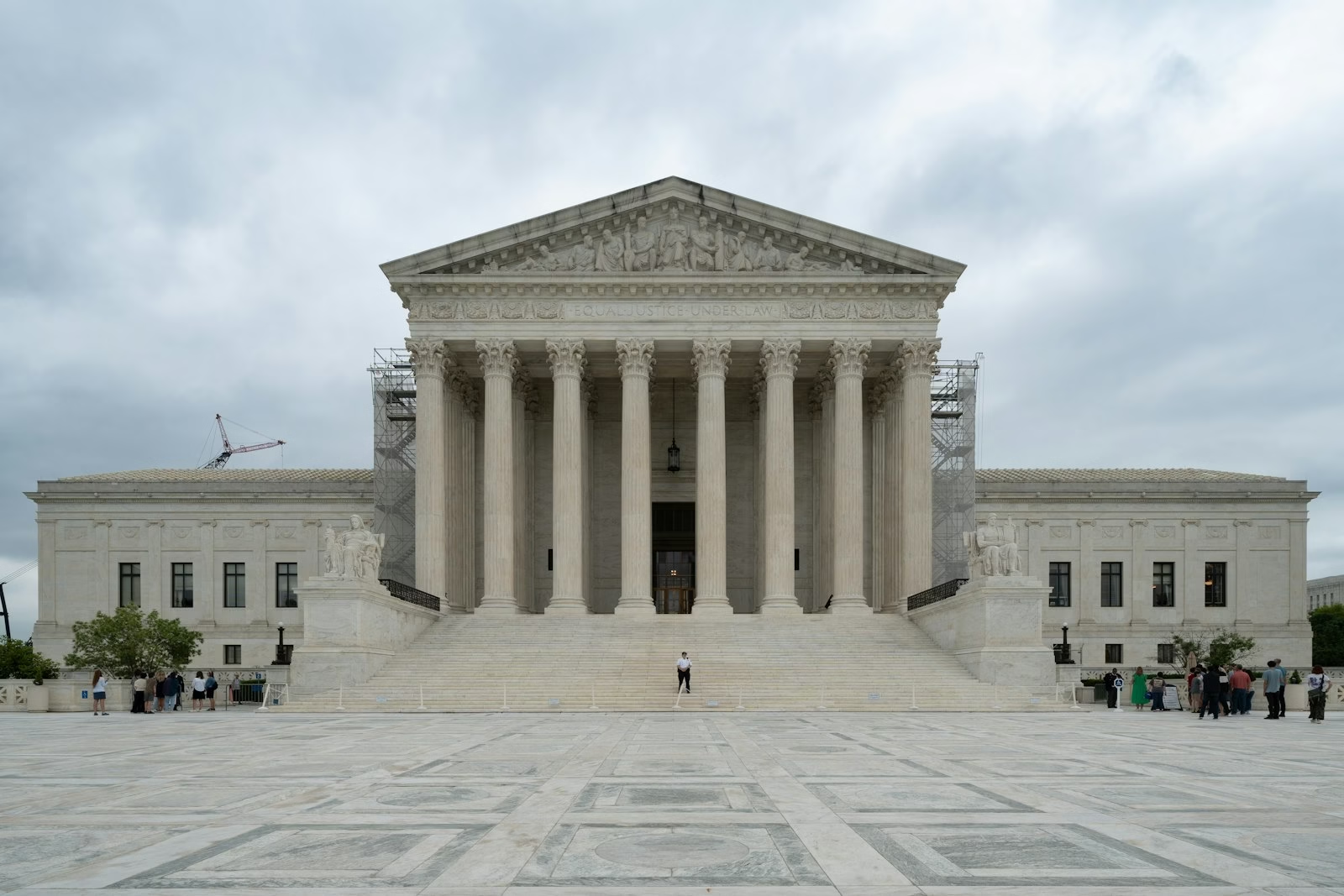
Supreme Court Asylum Case: What the Justices Agreed to Hear
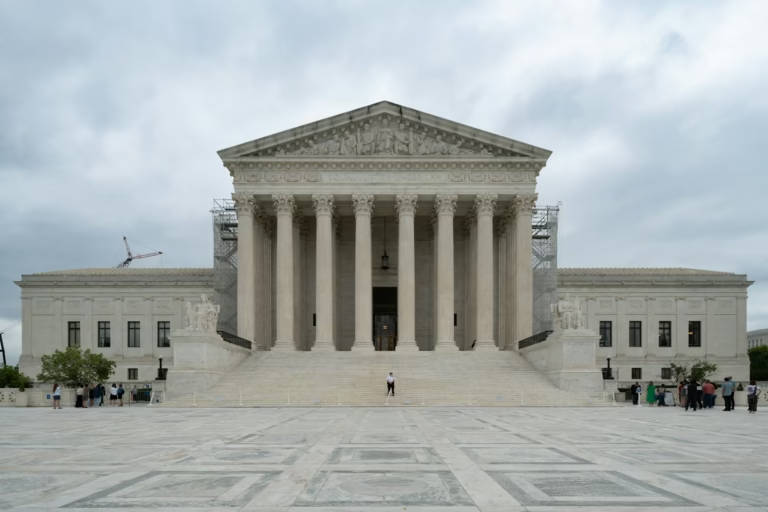
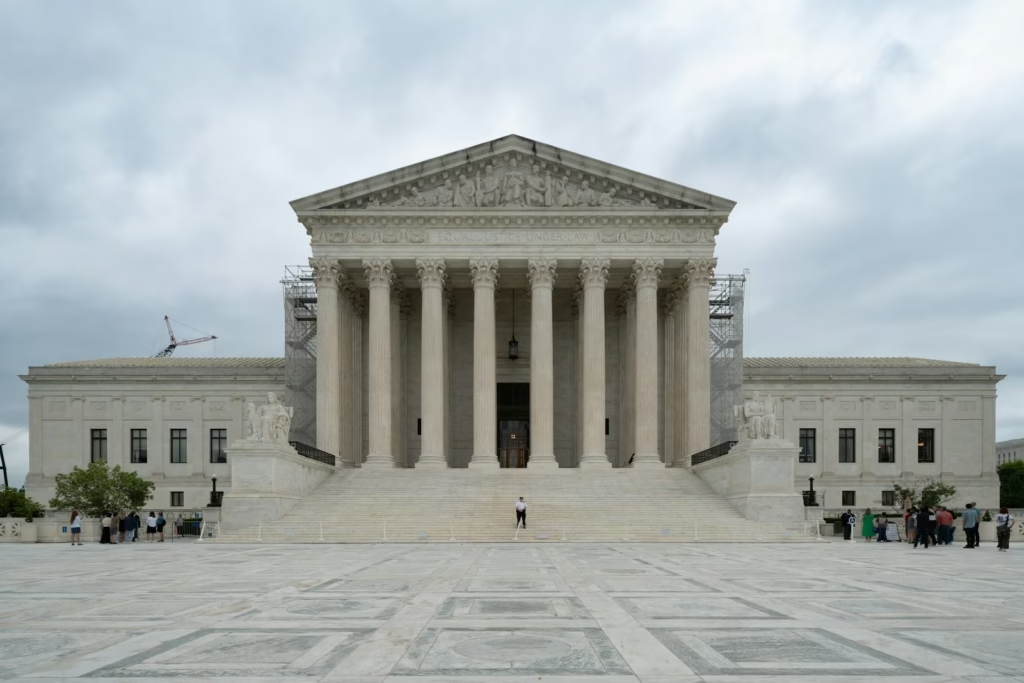
The Supreme Court asylum case is captioned Mullin v. Refugee and Immigrant Center for Education and Legal Services, docket No. 26-239. The Court granted the government's petition in a brief order list released Friday after the justices met in a private conference, according to SCOTUSblog and Roll Call.
According to SCOTUSblog, the Supreme Court asylum review covers two questions. The first is whether the proclamation and the Department of Homeland Security guidance that carries it out are lawful. The second is whether the federal district judge who heard the case had the power to grant relief covering an entire class of migrants. The Court declined a third request from the government: to review whether the class itself was properly certified under the rules for class actions.
Supreme Court asylum arguments are expected in spring 2027, according to both SCOTUSblog and the American Civil Liberties Union, which represents the challengers. Roll Call reported that a decision is likely before the term ends in June 2027.
The proclamation at the center of the case
President Trump signed the proclamation on January 20, 2025, his first day back in office. It declared that an invasion was underway at the southern border and suspended the entry of migrants it described as taking part in that invasion. It also indicated that those migrants could no longer seek protections such as asylum.
DHS then issued guidance that barred covered migrants from applying for asylum. It also allowed quick removal of people who entered anyway, without some normal procedural protections, according to SCOTUSblog. The challengers say the president relied on Section 212(f) of the Immigration and Nationality Act, which allows a president to suspend the entry of certain noncitizens.
How the Supreme Court Asylum Dispute Reached the Justices
The lawsuit began in federal district court in Washington, D.C. U.S. District Judge Randolph Moss certified a class of migrants who are or would be subject to the proclamation. He found the DHS guidance unlawful, set it aside and barred officials from carrying out those parts of the policy against class members.
The government appealed, setting the Supreme Court asylum showdown in motion. A three-judge panel of the U.S. Court of Appeals for the D.C. Circuit first paused part of Judge Moss's order. A different panel later largely upheld it on the merits. Judge J. Michelle Childs wrote the majority opinion, joined by Judge Cornelia Pillard. They concluded that the text, structure and history of federal immigration law show Congress did not give the executive branch the broad removal power the administration claimed.
Judge Justin Walker dissented in part. He wrote that the president can deny all asylum applications, but he agreed with the majority that the government cannot send migrants to countries where they would face persecution. The appeals court kept its own ruling on hold while the government sought Supreme Court review, which is why the policy is still being enforced today.
A narrow question with broad stakes
Roll Call summarized the core Supreme Court asylum disagreement this way: the administration says the president has broad discretion to shut down the asylum system at the border, while the appeals court said the president has discretion over individual asylum claims but cannot deny them categorically.
What Each Side Says in the Supreme Court Asylum Fight
The administration's argument
In its petition filed in August, the government, represented by Solicitor General D. John Sauer, argued that the proclamation rests on the president's inherent and delegated powers to exclude noncitizens. Sauer wrote that suspending entry and closing off access to asylum were the most important and effective parts of the president's response to conditions at the border, and that the government does not need to accept asylum applications it considers futile.
The government also argued that federal law bars lower courts from ordering how certain immigration provisions are enforced, and that the certified class improperly includes people abroad with no immediate plans to enter the country. In its filing, the administration said the border had become "overwhelmed by an ungovernable influx of millions of aliens," according to SCOTUSblog, and it has pointed to sharp drops in illegal crossings since the policy took effect.
The challengers' argument
The Supreme Court asylum challengers include 13 individual migrants and several nonprofit groups, among them RAICES, Las Americas Immigrant Advocacy Center and the Florence Immigrant and Refugee Rights Project. They are represented by the ACLU, the National Immigrant Justice Center, the Center for Gender and Refugee Studies and the Texas Civil Rights Project.
They argue that the asylum statute says noncitizens may apply for asylum whether or not they entered at an official port, and that a president cannot create a new removal system that overrides protections Congress wrote into law. They also say border apprehensions had already fallen more than 90% from their peak before the proclamation. Lee Gelernt, the ACLU's lead counsel in the case, said in a statement that "the president does not have the right to unilaterally override the protections Congress has afforded those fleeing danger."
The political backdrop
The Supreme Court asylum order comes ten days after midterm elections in which Democrats won control of both chambers of Congress, which takes effect in January. Border policy returned to the headlines this week. On Thursday, President Trump said on social media that tariffs on Mexico would be doubled immediately if Mexico did not stop a group of migrants traveling north, as we reported in our coverage of the Mexico tariffs threat.
Supreme Court Asylum Ruling Timeline
- January 20, 2025: President Trump signs the border proclamation.
- 2025: Judge Randolph Moss certifies a class and rules the DHS guidance unlawful.
- Later appeal: A D.C. Circuit panel largely upholds the ruling, with one judge dissenting in part, and keeps it on hold.
- August 2026: The government asks the Supreme Court to step in.
- November 13, 2026: The justices agree to hear the case.
- Spring 2027: Oral arguments expected.
- By late June 2027: A decision is expected.
The Supreme Court asylum case lands as the justices face pressure from Capitol Hill, including the funding debate that drew a public warning from Justice Samuel Alito this week.
What the Supreme Court Asylum Case Means for You
For most Americans, the Supreme Court asylum decision will not change daily life directly, but it could shape immigration policy, labor markets and federal spending for years. The points below are our own analysis based on the reporting above.
If you or a relative is seeking protection
The Supreme Court asylum grant changed nothing on Friday. The restrictions at the southern border remain in effect while the case is pending, and the lower-court rulings against them are still paused. People who already have asylum cases inside the United States should keep every hearing date and filing deadline, since missing one can have serious consequences regardless of how this case ends.
Be careful with anyone who promises that the Supreme Court asylum review guarantees a faster or easier path. Families should rely on licensed immigration attorneys or accredited representatives, not unlicensed "consultants" who charge fees for advice they are not allowed to give.
If you run a business or follow the economy
Employers in agriculture, construction, hospitality and caregiving often watch immigration policy because it affects the supply of workers. A Supreme Court asylum ruling for the administration would likely keep border entry tight; a ruling for the challengers could reopen access to asylum claims at the border, with possible effects on immigration court backlogs and related federal costs.
If you care about how power is divided
Beyond immigration, the Supreme Court asylum case tests how much a president can do under existing law without new legislation, and how much lower courts can block federal policies on a nationwide or class-wide basis. Whatever the outcome, the ruling will likely be cited in future fights between presidents of either party and the courts.
This article is for information only and is not legal or financial advice. Anyone facing an immigration decision should speak with a qualified immigration attorney.
Sources: Supreme Court of the United States order list (November 13, 2026); SCOTUSblog; Roll Call; ACLU of D.C. press release; Reuters; White House proclamation of January 20, 2025.