Published November 13, 2026 · By
Air traffic control funding is back before Congress after the White House and the Department of Transportation asked lawmakers on Friday, November 13, to approve an additional $30.1 billion for the nation's air traffic control system and its airports. The request, sent in a letter from Office of Management and Budget Director Russell Vought and Transportation Secretary Sean Duffy, asks the Republican-led Congress to act in the final weeks of the year, according to Reuters.
The timing of the air traffic control funding request matters. Democrats are set to take control of Congress in January, which means the request lands in a short lame-duck window crowded with spending deadlines.
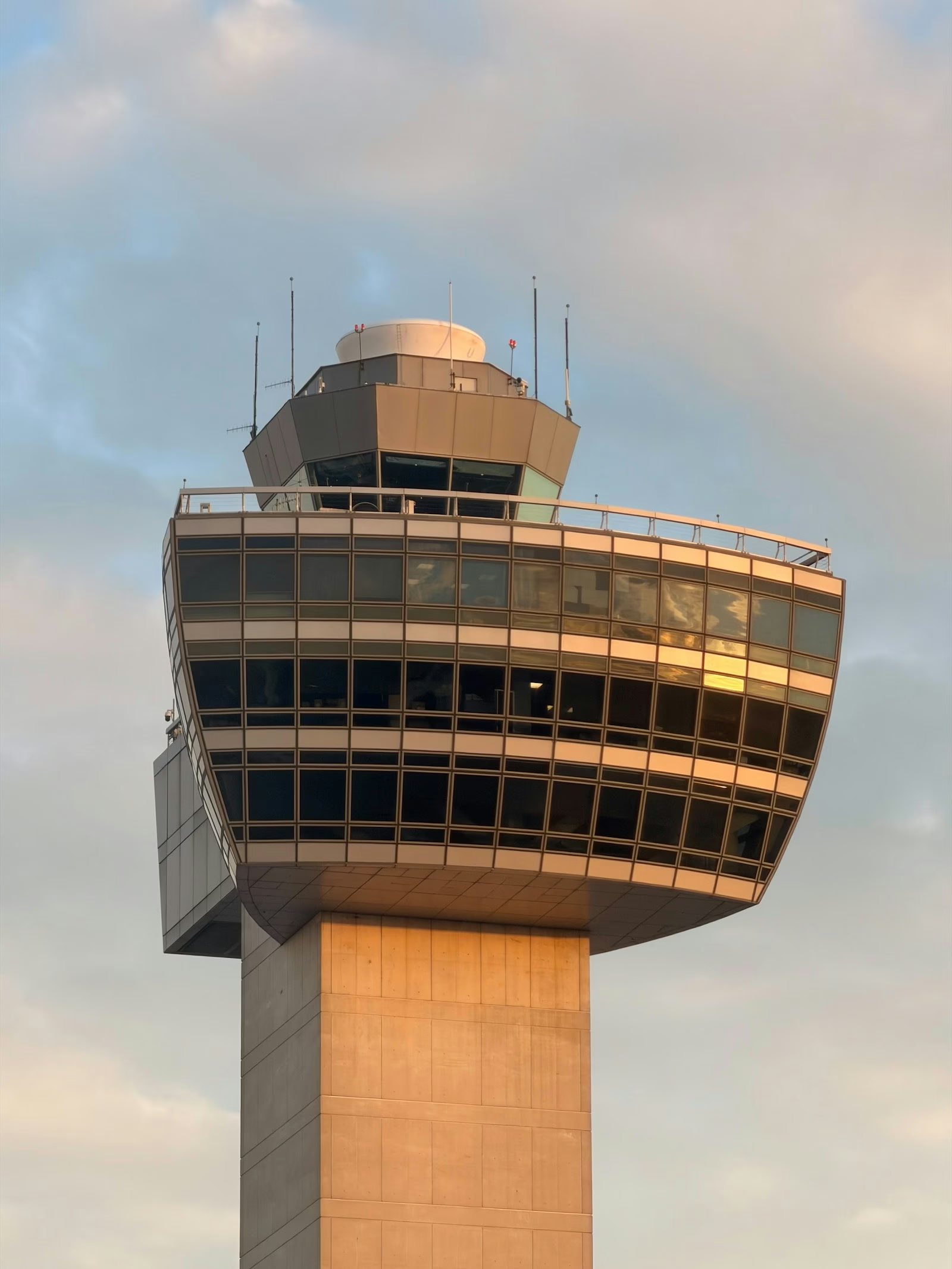
Air Traffic Control Funding Request: What the White House Asked For
According to Reuters, Vought and Duffy wrote to lawmakers asking for swift action on the $30.1 billion package. In the letter, they said the money is needed to finish upgrading the national airspace system. Reuters reported that the officials described the investment as "critical to complete the modernization of our national airspace."
The new air traffic control funding request builds on $12.5 billion that Congress approved in July 2025 for air traffic control upgrades and controller hiring. If lawmakers approve the full amount, total federal air traffic control funding for the modernization effort would reach roughly $42.6 billion, according to a calculation by the aviation news site AVweb.
How the $30.1 billion would be divided
Reuters and AVweb reported the following breakdown of the request:
- $10.1 billion for air traffic control modernization, including $7.2 billion for a common automation platform and new controller workstations, plus $2 billion for cloud computing and telecommunications infrastructure.
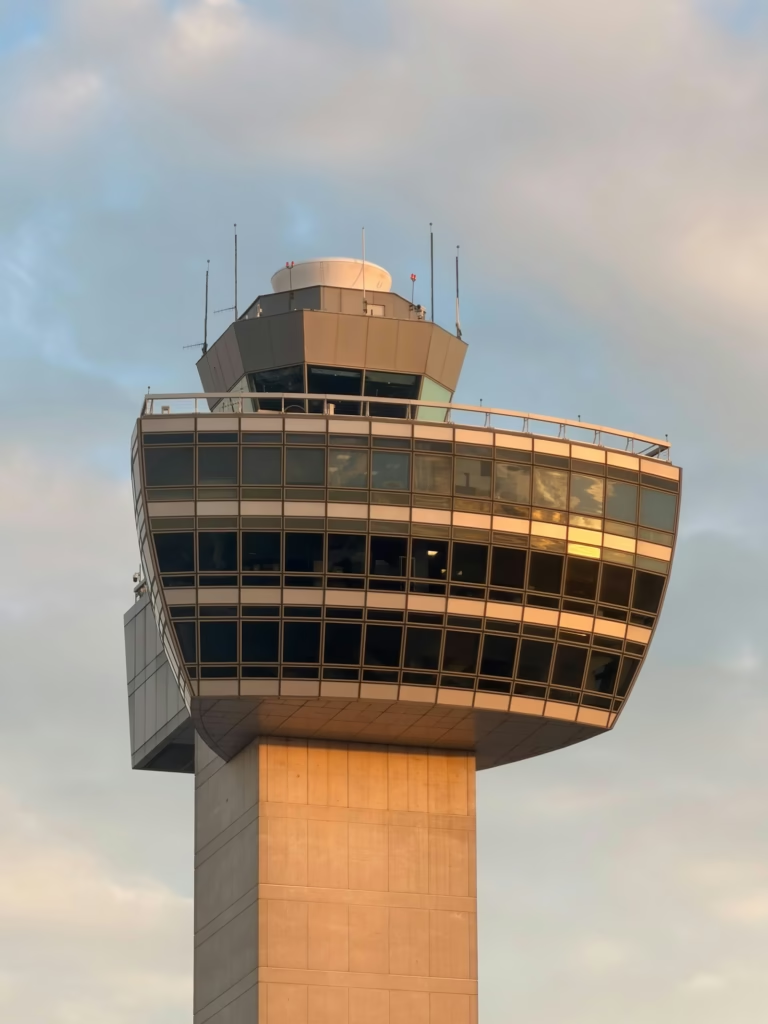
- $2 billion for control towers, to replace and improve FAA air traffic control towers.
- $18 billion for airport projects, including $10 billion to modernize or replace aging terminals. AVweb reported that this terminal program would cover up to three qualifying medium-hub airports, with another $3 billion for discretionary airport improvement grants and $5 billion for terminal development.
The figures add up to $30.1 billion. Airways Magazine noted that the $10 billion for terminals sits inside the $18 billion airport total and is not a separate, additional sum.
Not a brand-new proposal
Friday's air traffic control funding letter renews a plan Duffy first outlined in September. At the time, he called the earlier $12.5 billion a partial down payment and said the new money would be split roughly evenly among telecommunications and software, physical airport infrastructure and upgrades at mid-sized airports, according to Nextgov/FCW. Sen. Eric Schmitt, R-Mo., introduced the Modern Skies Act to provide the $30 billion. The bill text is available on GovInfo, the official publisher of congressional documents.
Why the Administration Says Air Traffic Control Funding Is Urgent
Administration officials have tied the air traffic control funding request to a string of high-profile failures. Reuters noted that a January 2025 midair collision near Ronald Reagan Washington National Airport killed 67 people. In September 2026, a circuit failure at a Philadelphia air traffic facility and a fiber-optic cable cut by a construction crew in New Jersey delayed or canceled thousands of flights in the Northeast.
Reuters also reported that the Federal Aviation Administration still relies on decades-old computers and, in some cases, replacement parts bought on auction sites. The FAA said last week it would replace floppy disks used for weather and other critical information at more than 400 facilities by the end of 2028.
Progress so far, according to the letter
The Vought and Duffy letter said the FAA has converted about 68% of its legacy copper telecommunications network to fiber, according to Reuters and AVweb. In September, FAA Administrator Bryan Bedford said a modern, resilient system could save about $300 billion over 20 years, Nextgov/FCW reported. He also told a House Appropriations subcommittee that the cost of the first phase of the overhaul had grown to $16 billion, according to the Aircraft Owners and Pilots Association (AOPA).
Reactions From Airlines, Lawmakers and Watchdogs
Reuters reported that American Airlines, Delta Air Lines, United Airlines and Southwest Airlines have expressed support for the air traffic control funding request. AOPA, which represents private pilots, said in September that it strongly supports the $30 billion plan. The group is a founding member of the Modern Skies Coalition, which says it has more than 60 members and favors modernizing the system rather than privatizing it.
On Capitol Hill, Schmitt said in September that the technology and infrastructure upgrades in his bill are badly needed, according to Nextgov/FCW. In the coverage reviewed for this article, Democratic congressional leaders had not issued a public response to Friday's letter. Their position matters because Democrats will hold the majority when the new Congress convenes in January.
Questions about cost and planning
The Government Accountability Office raised concerns in a September report. According to AVweb and AOPA, the GAO found that the FAA had not developed a comprehensive life-cycle cost estimate or an integrated master schedule for the modernization program, which covers more than 11,000 projects. The watchdog said that gap raises the risk of cost overruns and delays. Bedford disputed that assessment, AOPA reported.
None of the reports reviewed described how the $30.1 billion in air traffic control funding would be paid for or whether it would be offset by cuts elsewhere. Lawmakers are already weighing a December 11 government funding deadline, which Meridian Pioneer covered in its report on the current government shutdown risk.
What Happens Next in Congress
To become law, the air traffic control funding request must be approved by both chambers, either as a stand-alone bill such as the Modern Skies Act or as part of a larger spending package. The lame-duck session is short, and lawmakers are juggling a stopgap funding bill, defense legislation and other priorities. Meridian Pioneer has also covered the $350 billion reconciliation bill push, which competes for the same floor time.
If the money is not approved by the end of the year, the request would carry over into a Congress led by Democrats, who would set their own spending priorities.
What It Means for You
For most Americans, the debate over air traffic control funding shows up at the airport: in delays, cancellations and the condition of terminals. Here is a practical look at what the request could and could not change. This section is our own analysis based on the reporting above.
For travelers
- No immediate change. Even if Congress approves the money in December, the request does not set construction schedules or completion dates, according to Airways Magazine. Upgrades would roll out over several years.
- Holiday travel is unaffected. Thanksgiving and December trips will run on the current system. Booking early-morning flights and leaving extra connection time remain sensible steps.
- Terminal upgrades are targeted. The $10 billion terminal program would go to up to three medium-hub airports, so most travelers would not see new terminals from this request.
For taxpayers
Approving another $30.1 billion in air traffic control funding would add to federal spending at a time when the deficit is a major issue in Washington. Supporters, including the FAA administrator, argue that a modern system would save far more in avoided delays over time. The GAO's concerns about cost estimates suggest that the final bill for the full overhaul is still uncertain.
For local communities
The $3 billion in discretionary airport improvement grants could reach smaller airports across the country, which often apply for federal help with runways, lighting and safety projects. Residents can watch for air traffic control funding announcements from their local airport authority if the money is approved. Travelers can also follow FAA updates on equipment such as its new information display systems for controllers.
Key Takeaways on Air Traffic Control Funding
- The White House and DOT asked Congress on November 13 for $30.1 billion more for air traffic control and airports.
- The request adds to $12.5 billion approved in July 2025, for a combined total near $42.6 billion.
- Four major airlines and AOPA support the plan; a GAO report flagged gaps in cost and schedule planning.
- The Republican-led Congress has only a few weeks before Democrats take control in January.
This article is for information only and is not financial advice.
Sources: Reuters (via SRN News), AVweb, Airways Magazine, Nextgov/FCW, AOPA, GovInfo (Modern Skies Act text), FAA.